

Series
Buried Evidence
Archaeology, ancient people, and the mysteries they left behind.
A running investigation into archaeological finds, ancient practices, unexplained artefacts and the claims that have attached themselves to all three. Every piece starts with what was actually excavated, separates the record from what was added later, and says plainly where the evidence runs out.
Bodies & Remains
What people did to the human body, and what their bones still record.
Egypt
Akhenaten’s elongated head: anatomy, art or symbolism?
The pharaoh is shown with a long skull, a long face and a heavy body, and so are his wife and daughters. Three explanations compete — real anatomy, artistic convention, religious symbolism — and one skull that can actually be measured decides more than any of the arguments.
Archaeological Mysteries
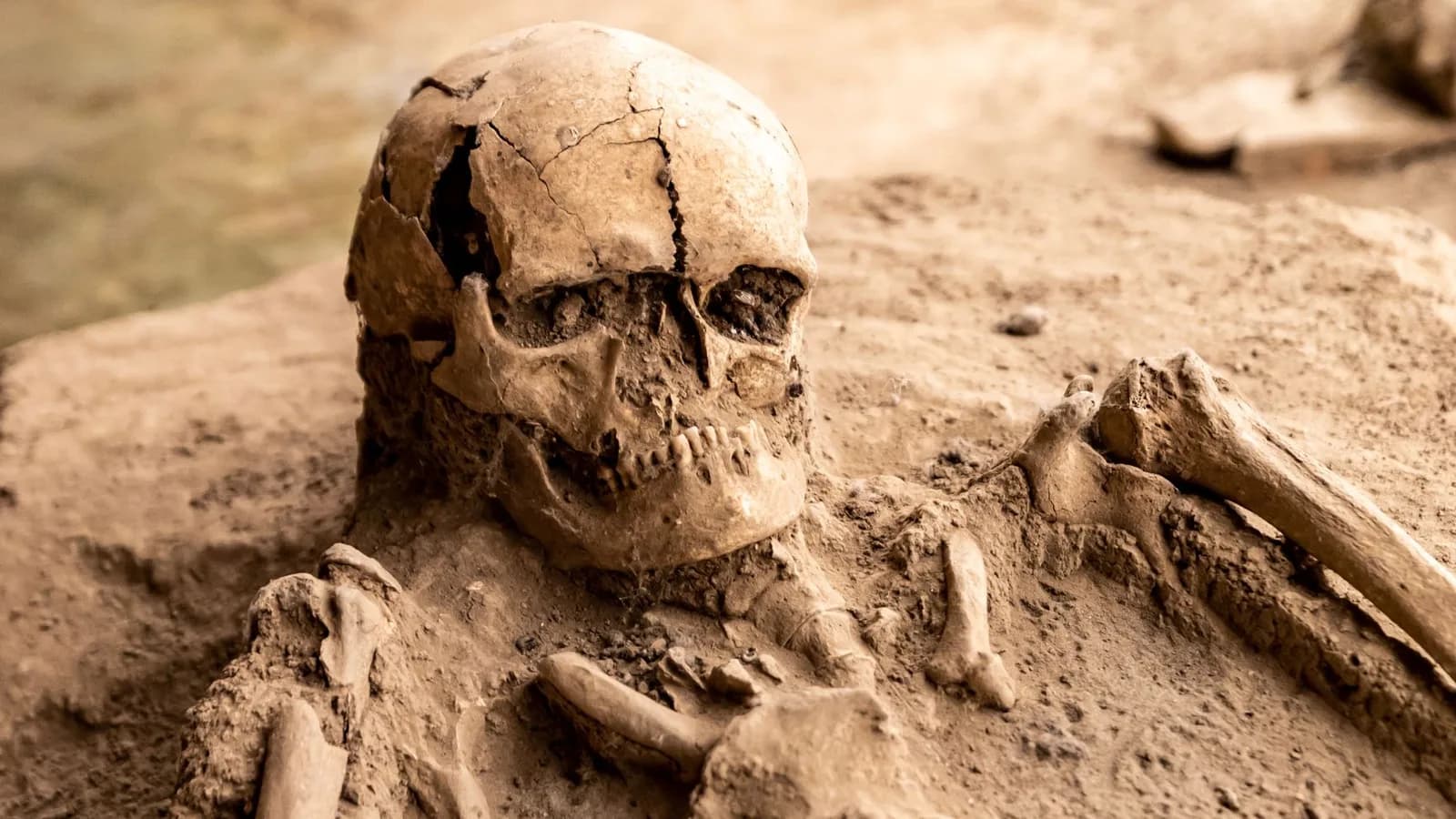
Why did cultures across the world bind their children's skulls?
Palaeolithic Italy, Iron Age Scythia, the Andes, the Maya lowlands, the Congo, Vanuatu, the Columbia River and rural France. Laid side by side, the cases answer a sharper question than "why" — did anybody teach anybody else?
Archaeological Mysteries
The Paracas skulls: what do we actually know?
Hundreds of elongated crania from a real excavation, and a set of extraordinary claims attached to a handful of them decades later. Taken one at a time: who said it first, was anything published, and can it be checked.
Archaeological Mysteries
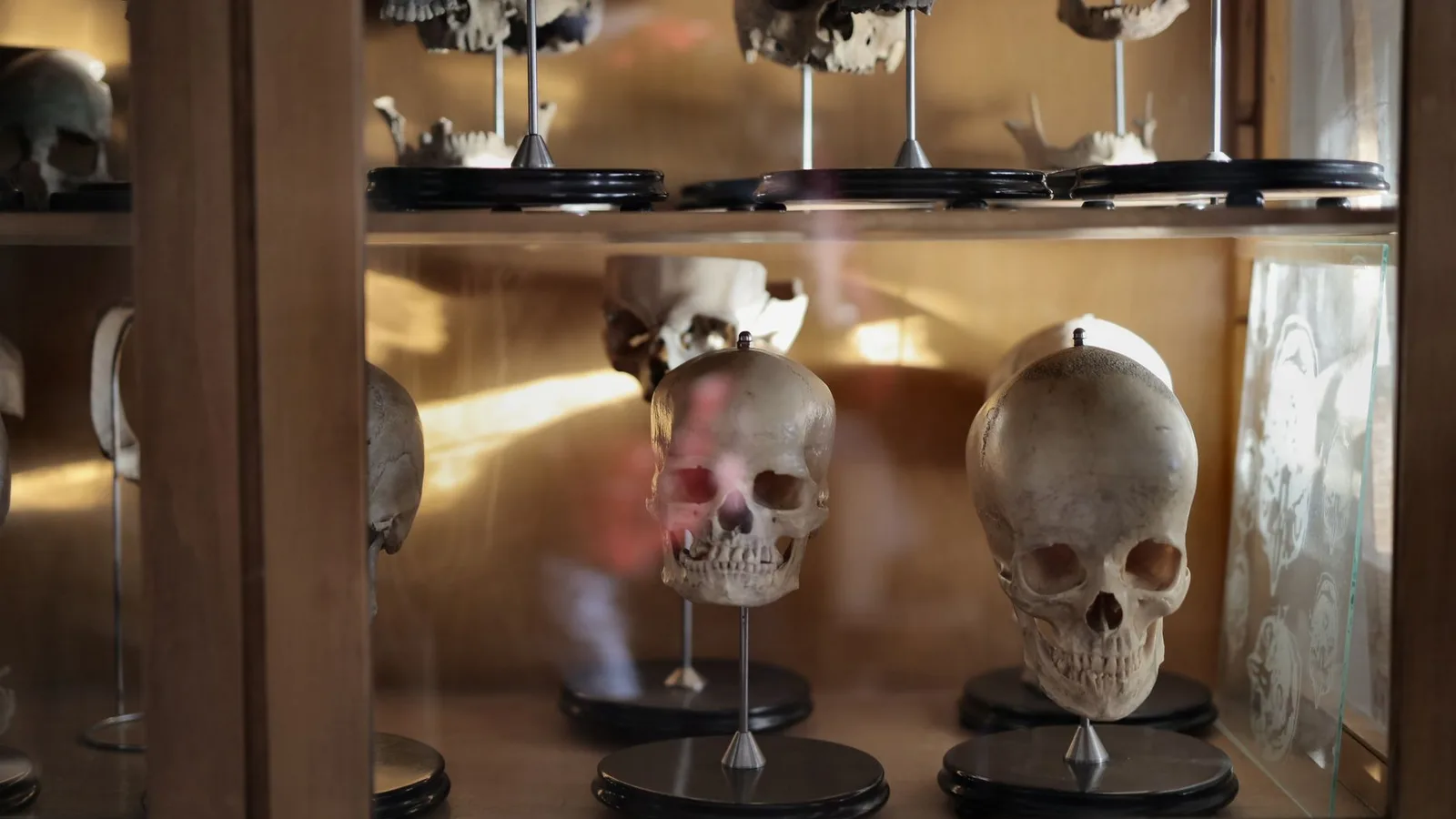
Elongated skulls: why did ancient humans change the shape of their heads?
Thousands of them, across five continents and twelve thousand years. Nobody serious disputes that people did this to their own children, or how. The argument is about why — and the answer everyone repeats turns out to be the least documented one.
Nazca
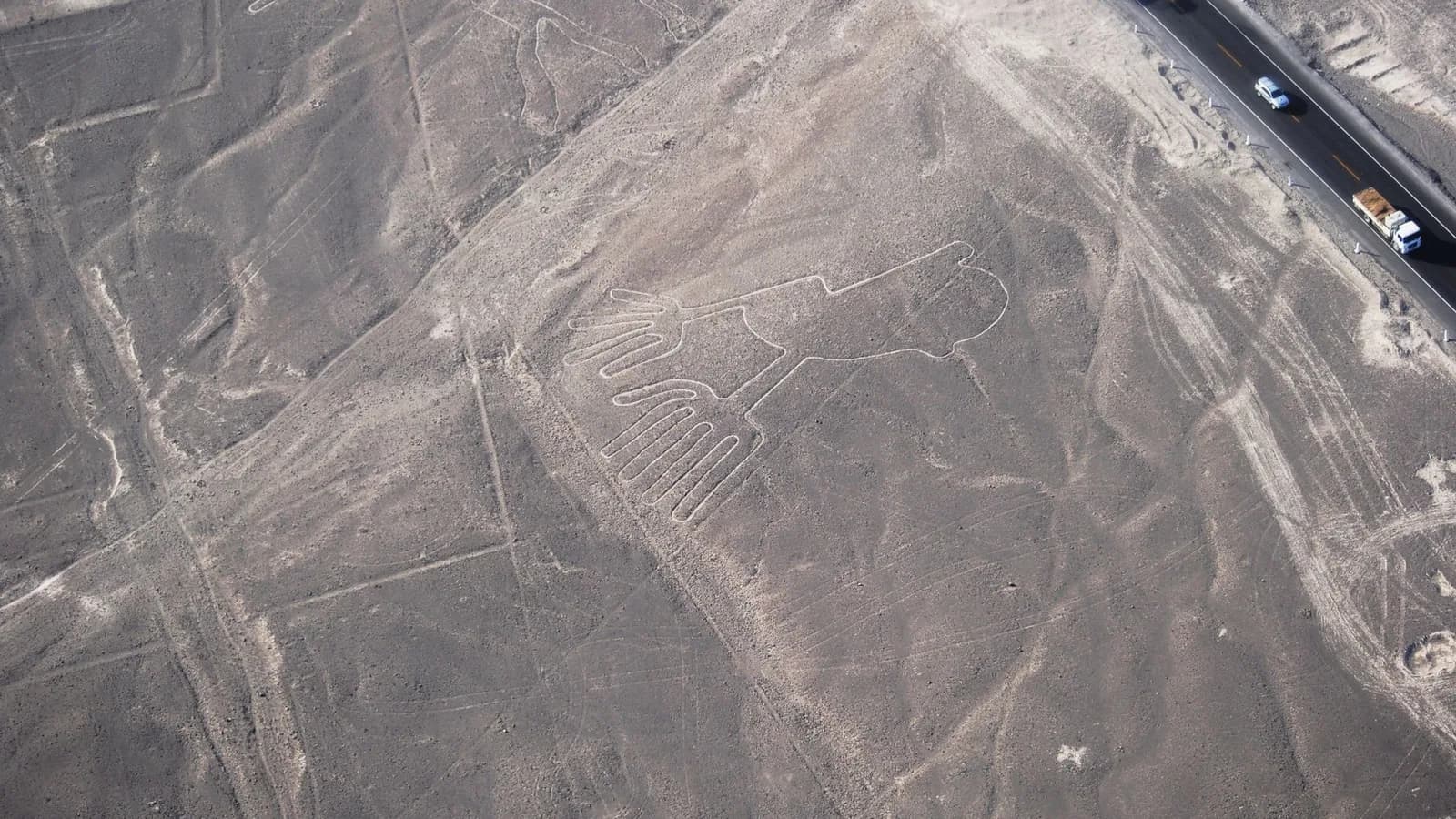
The Nazca "mummies": what the examinations found
Small desiccated bodies with elongated skulls and three-fingered hands, presented to the Mexican Congress in 2023. Peruvian authorities examined them. This one has an answer.
Artefacts
Objects that have outlived any account of what they were for.
Archaeological Mysteries
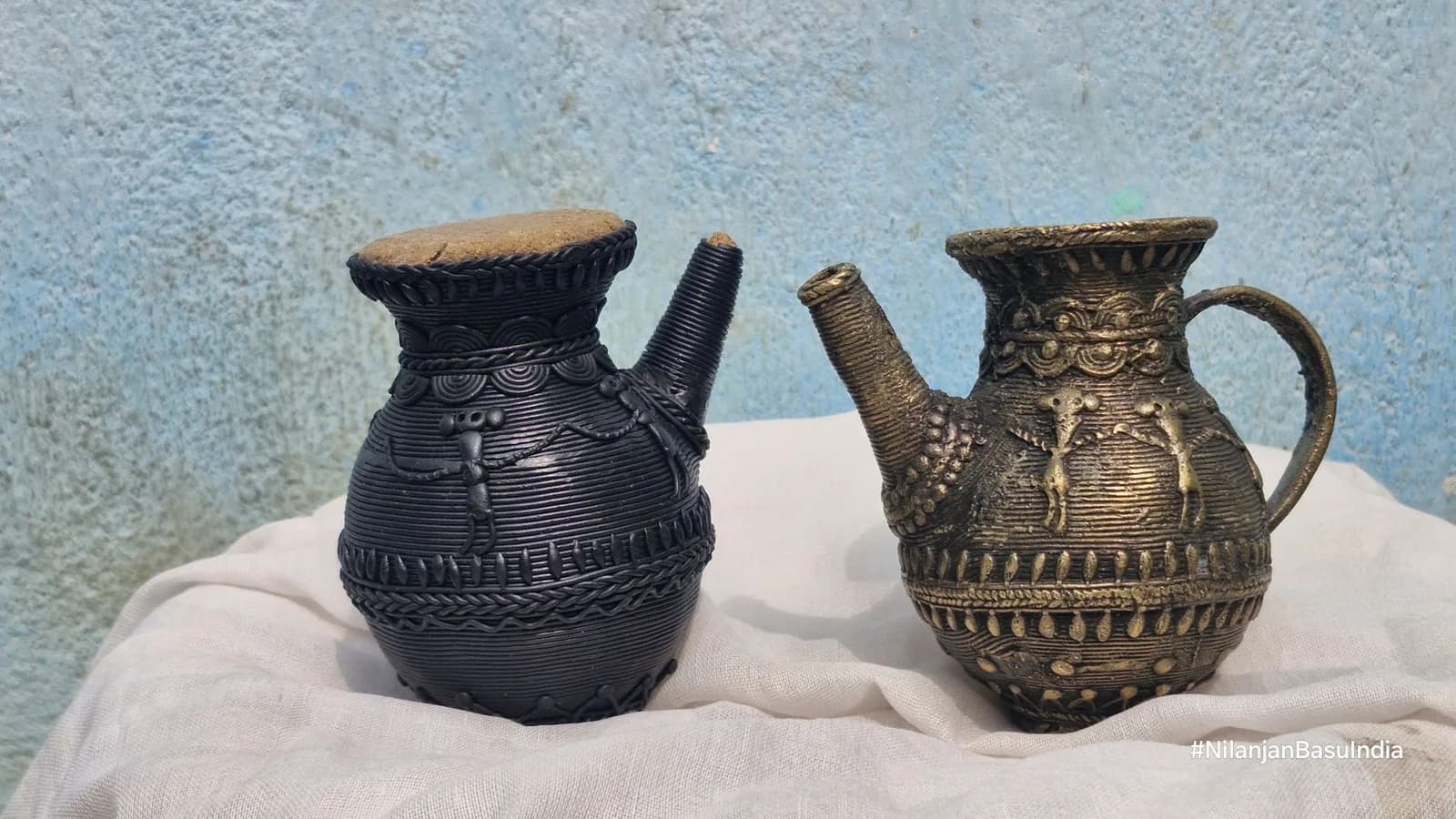
Roman dodecahedra: a genuine open question
Hollow bronze twelve-sided objects with holes of differing sizes and knobs at the corners. Around 130 are known. No Roman text mentions them, and nobody knows what they were for.
Ancient Technology
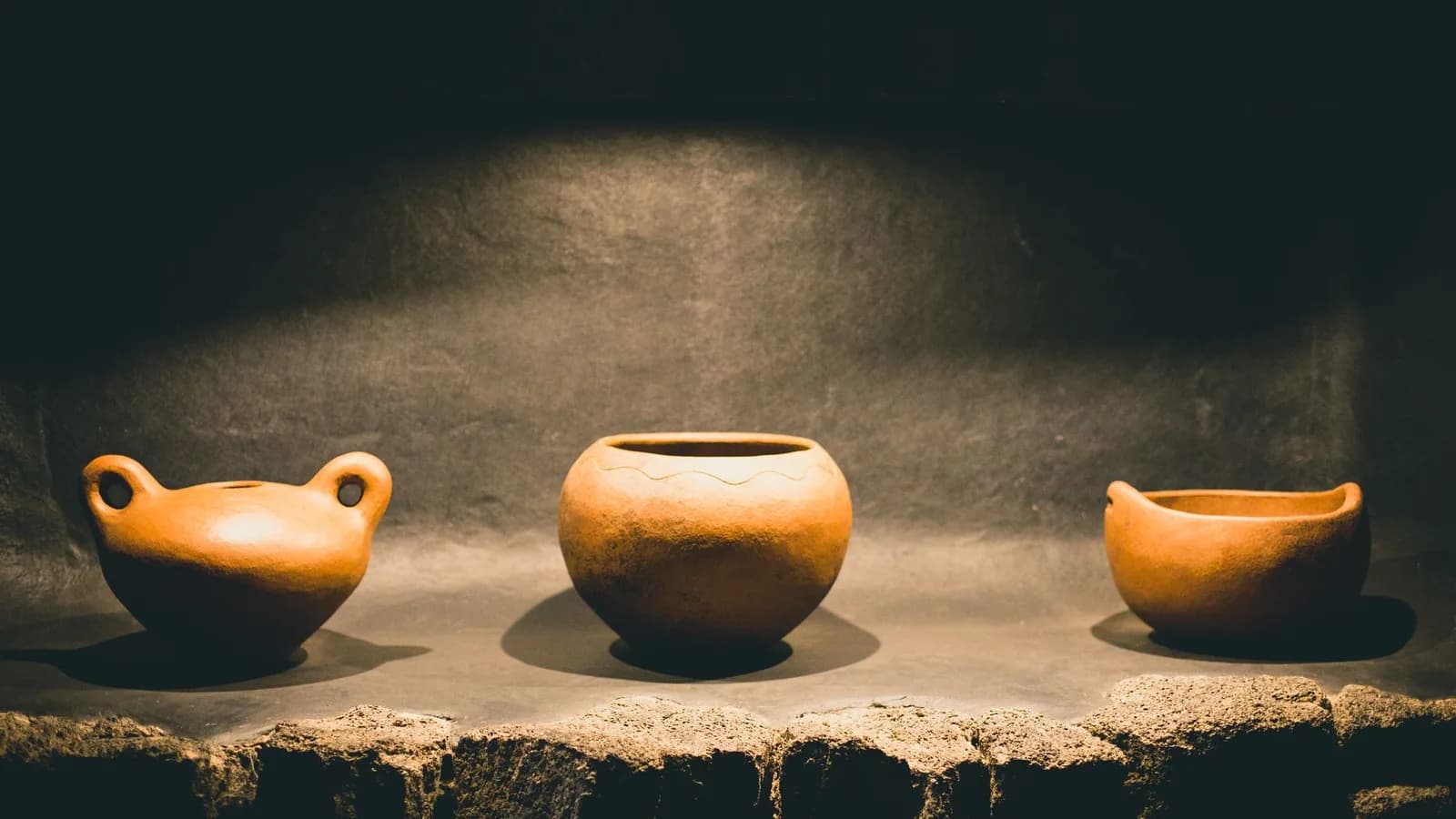
The Baghdad battery: a jar that has never been shown to be one
A ceramic jar with a copper cylinder and an iron rod, found near Baghdad. Replicas can be made to generate a small voltage. That is a long way from establishing what it was for.
Ancient Technology
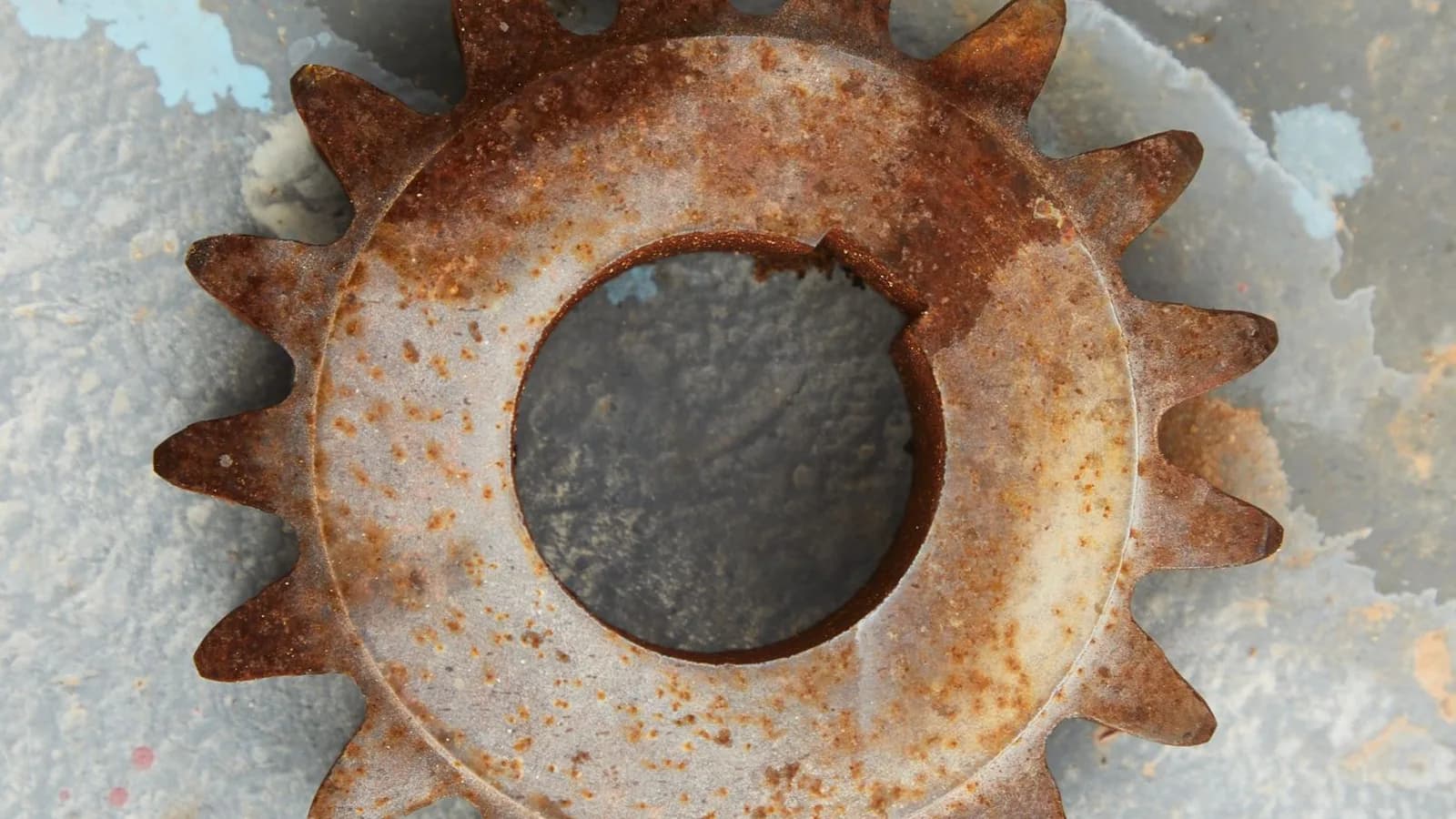
The Antikythera mechanism: the one that is genuinely extraordinary
A geared analogue computer from the second century BC, recovered from a shipwreck in 1901. Nothing of comparable complexity survives for another fourteen hundred years — and it needs no embellishment at all.
Historical Mysteries
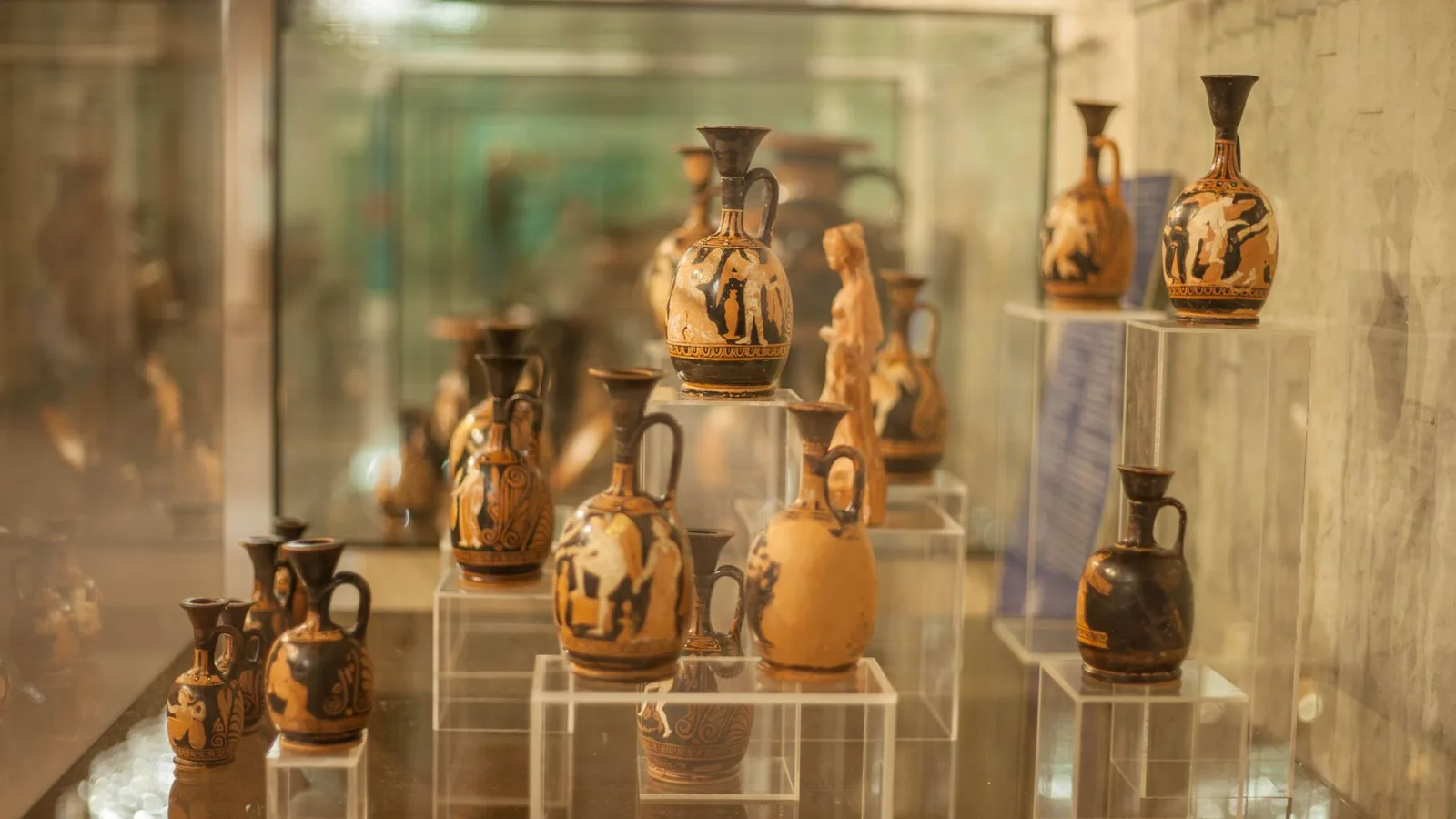
The Phaistos Disc: printed, and unreadable
A clay disc from Bronze Age Crete carrying 241 stamped signs in a spiral. It was made with punches, which makes it the earliest known printing. Nobody can read a word of it.
Historical Mysteries
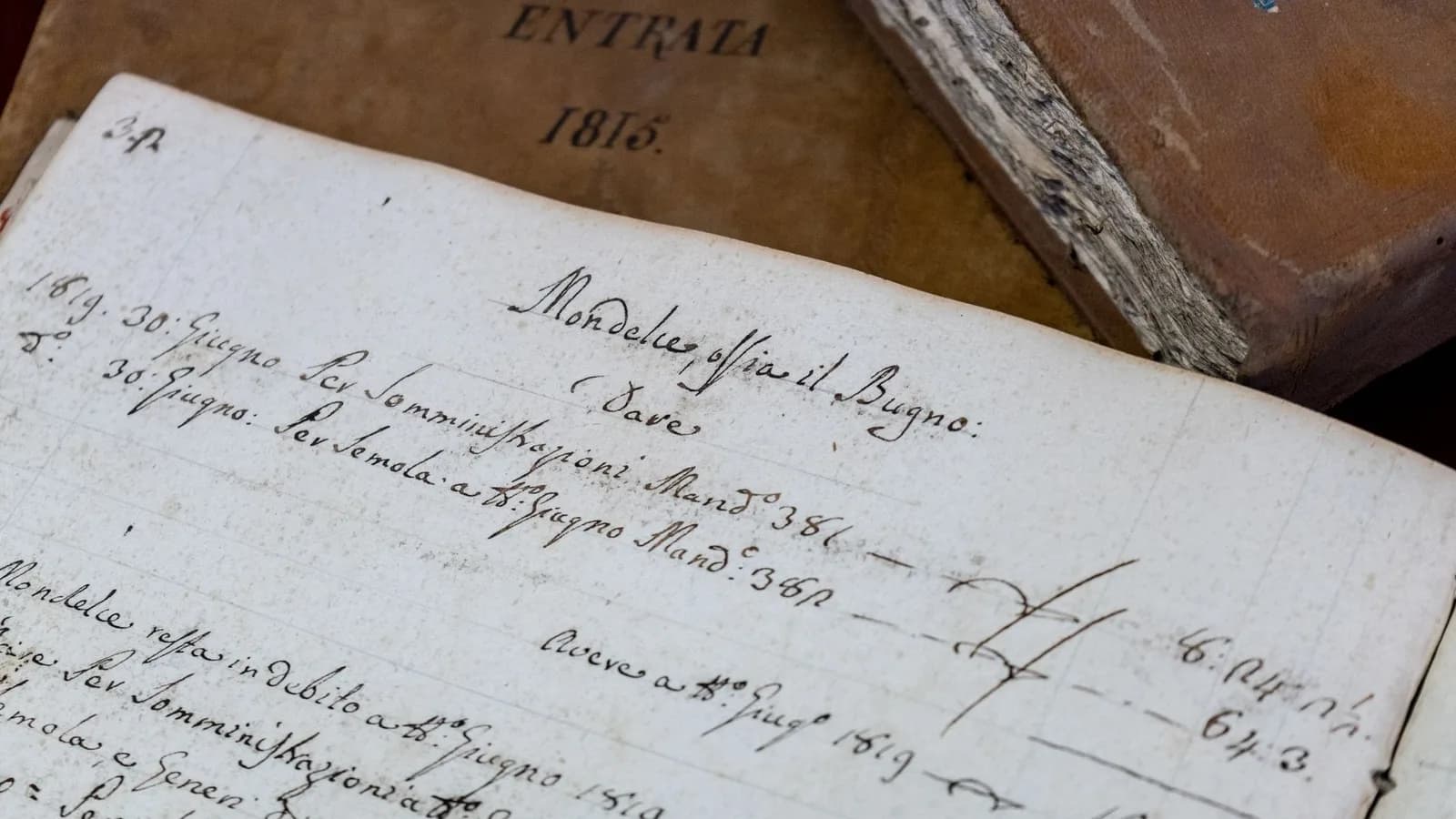
The Rohonc Codex: 448 pages nobody can read
A manuscript in a script nobody has identified, with illustrations mixing Christian, Muslim and pagan scenes. It has been in a Hungarian academy since 1838 and remains unread.
Lost Places
Sites, cities and landscapes that went under, or under the sand.
Megaliths
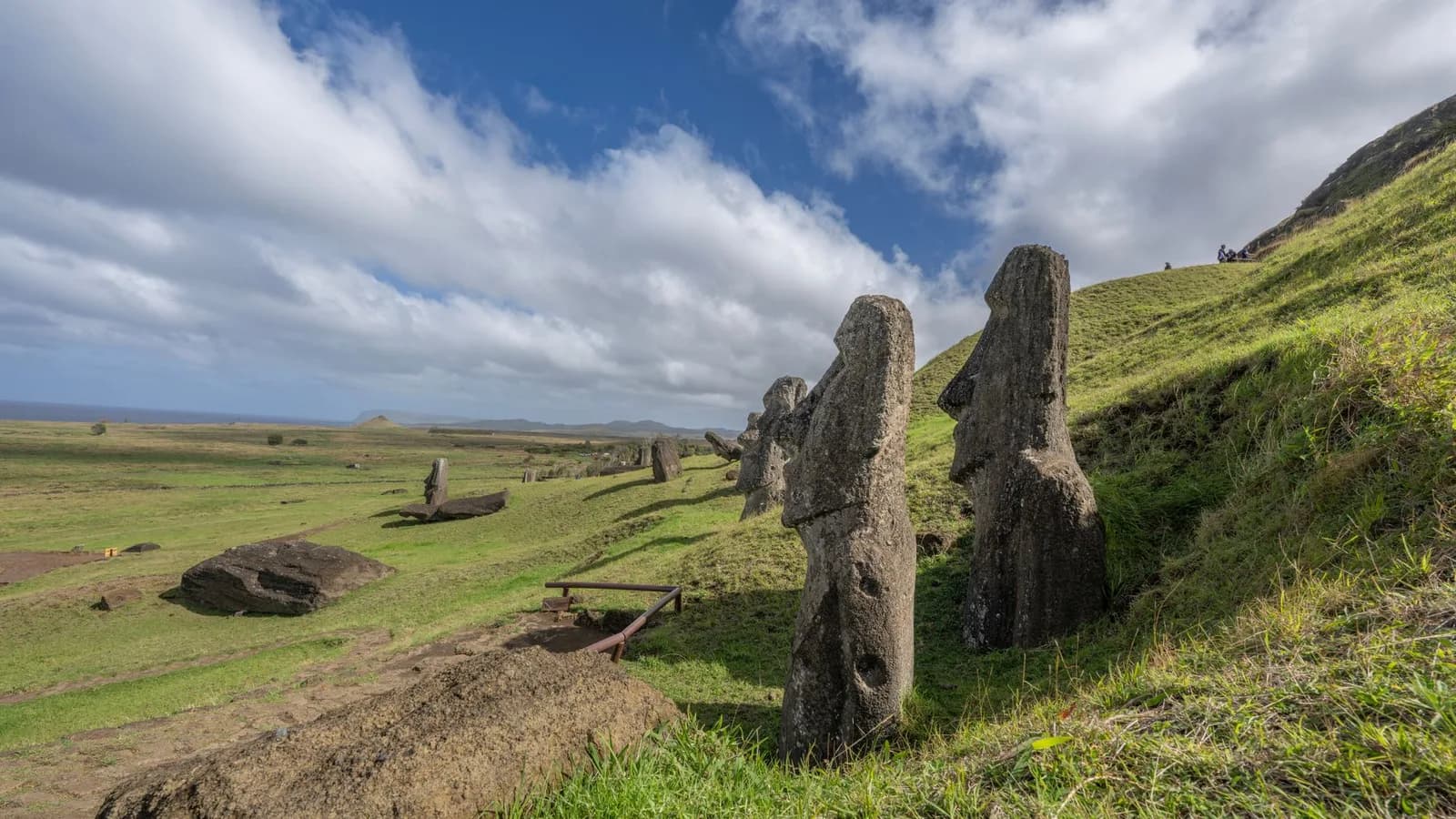
Rapa Nui: how the statues walked, and what really happened to the island
Nearly a thousand statues on a remote Pacific island, and a story about ecological suicide that has been substantially revised. Both the moving and the collapse turn out to be better understood than the legend.
Archaeological Mysteries
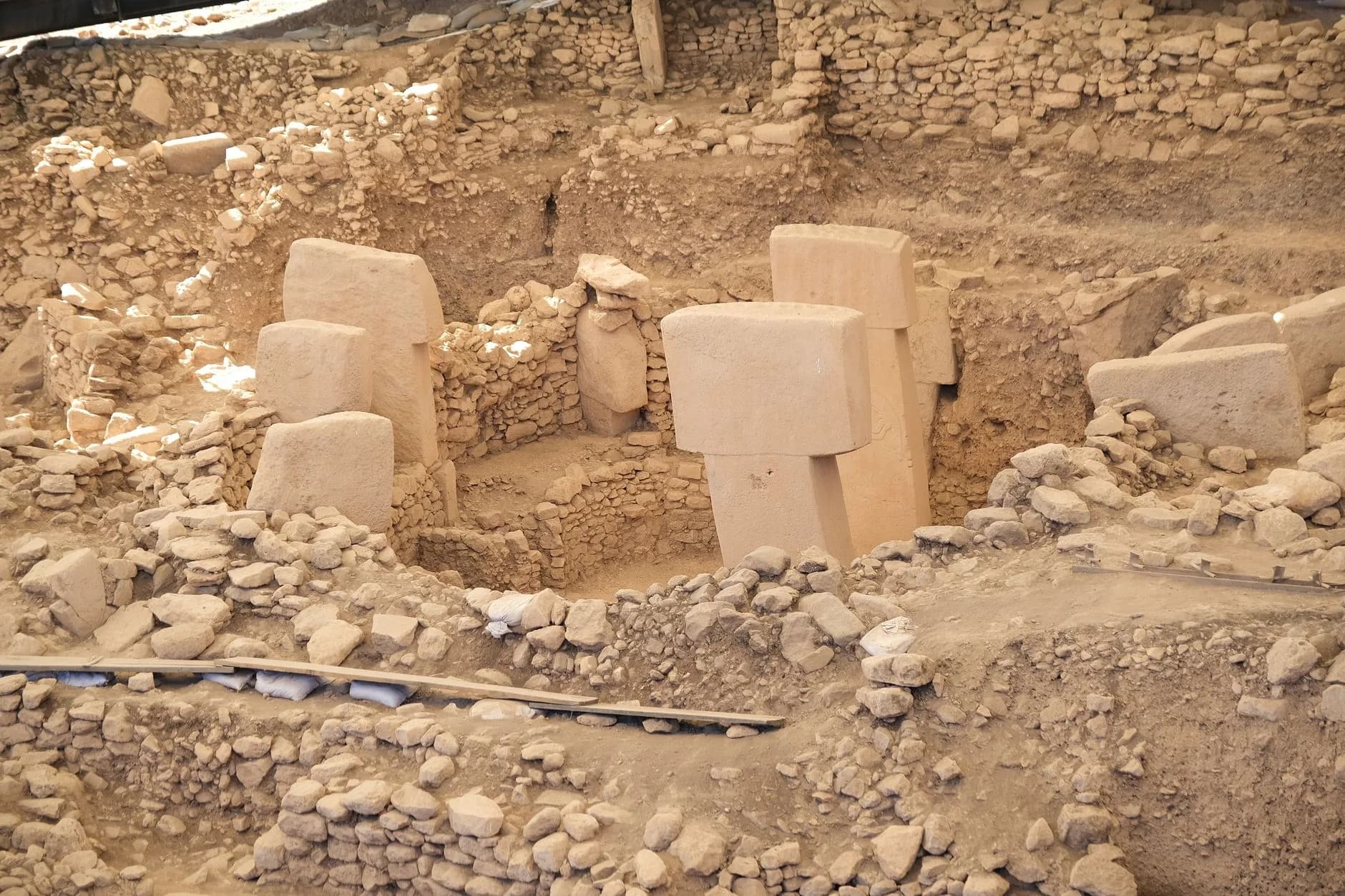
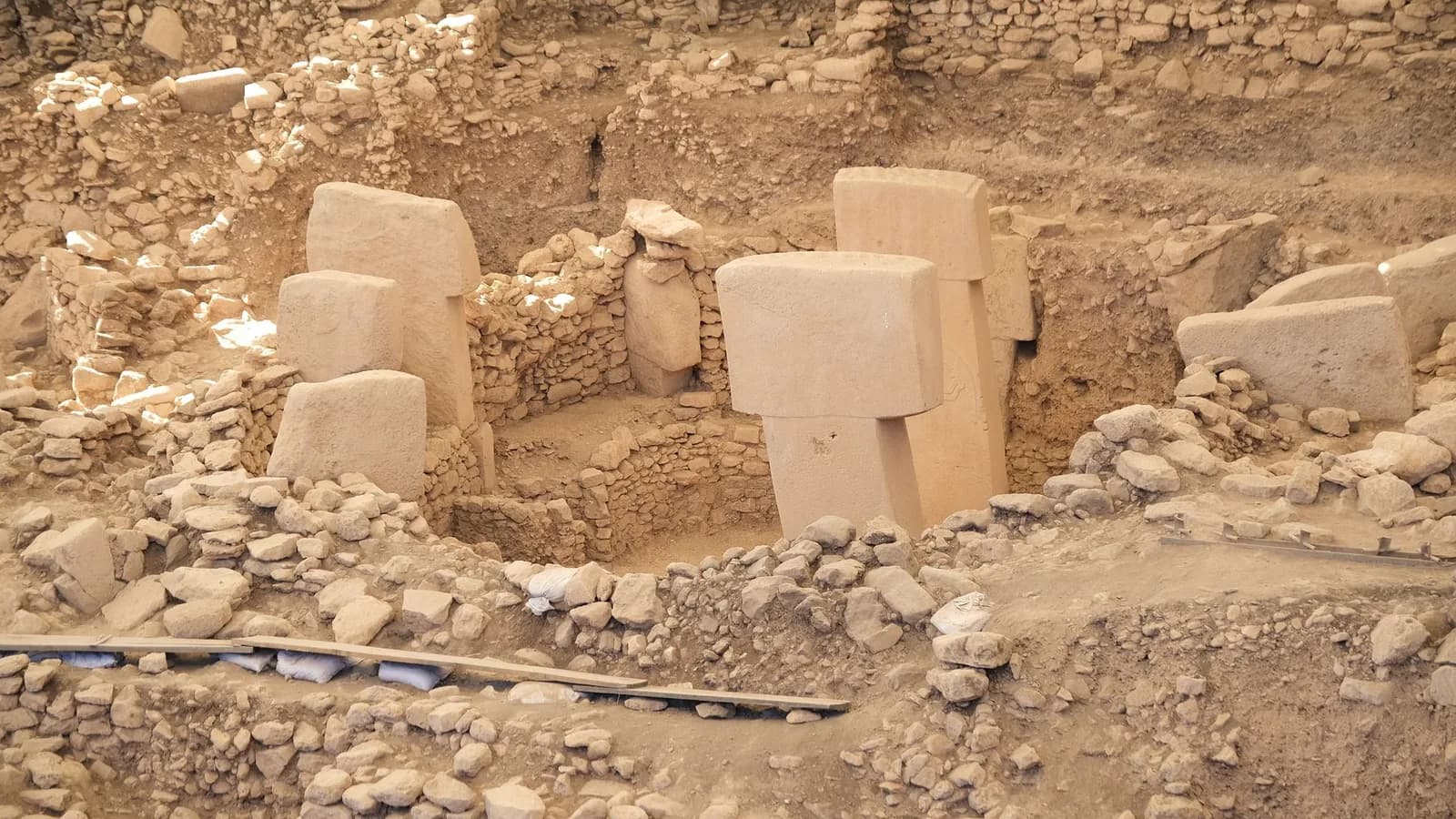
Karahan Tepe: the site that makes Göbekli Tepe less lonely
Everyone knows Göbekli Tepe. Fewer know it is one of at least a dozen sites of the same period in the same region — and Karahan Tepe is the one changing the picture fastest.
Archaeological Mysteries
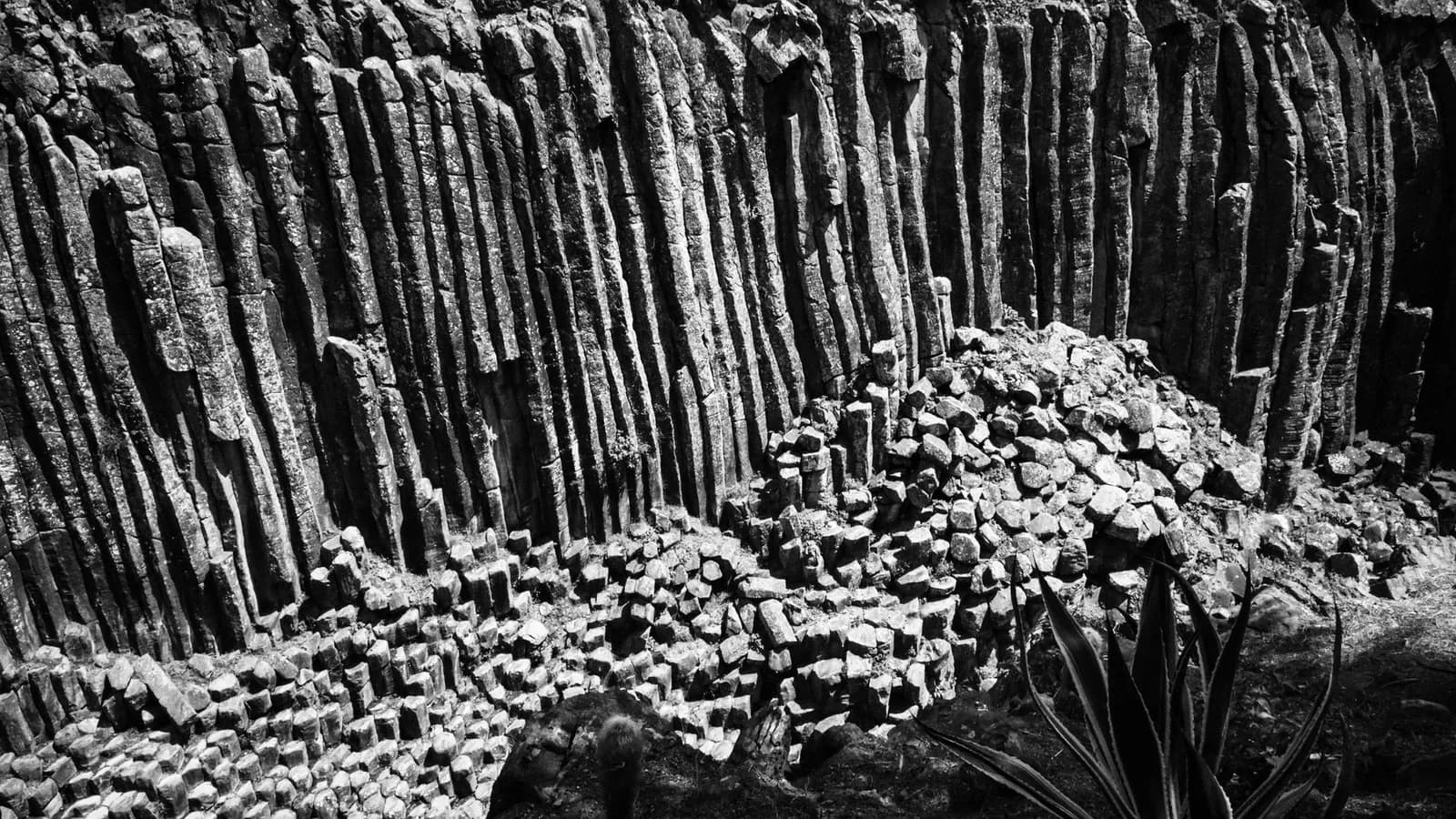
Gunung Padang: the paper that was retracted
A megalithic site in West Java claimed as a 27,000-year-old pyramid. The claim was published in a peer-reviewed journal in 2023 and retracted in 2024. What actually happened is worth following.
Lost Civilisations
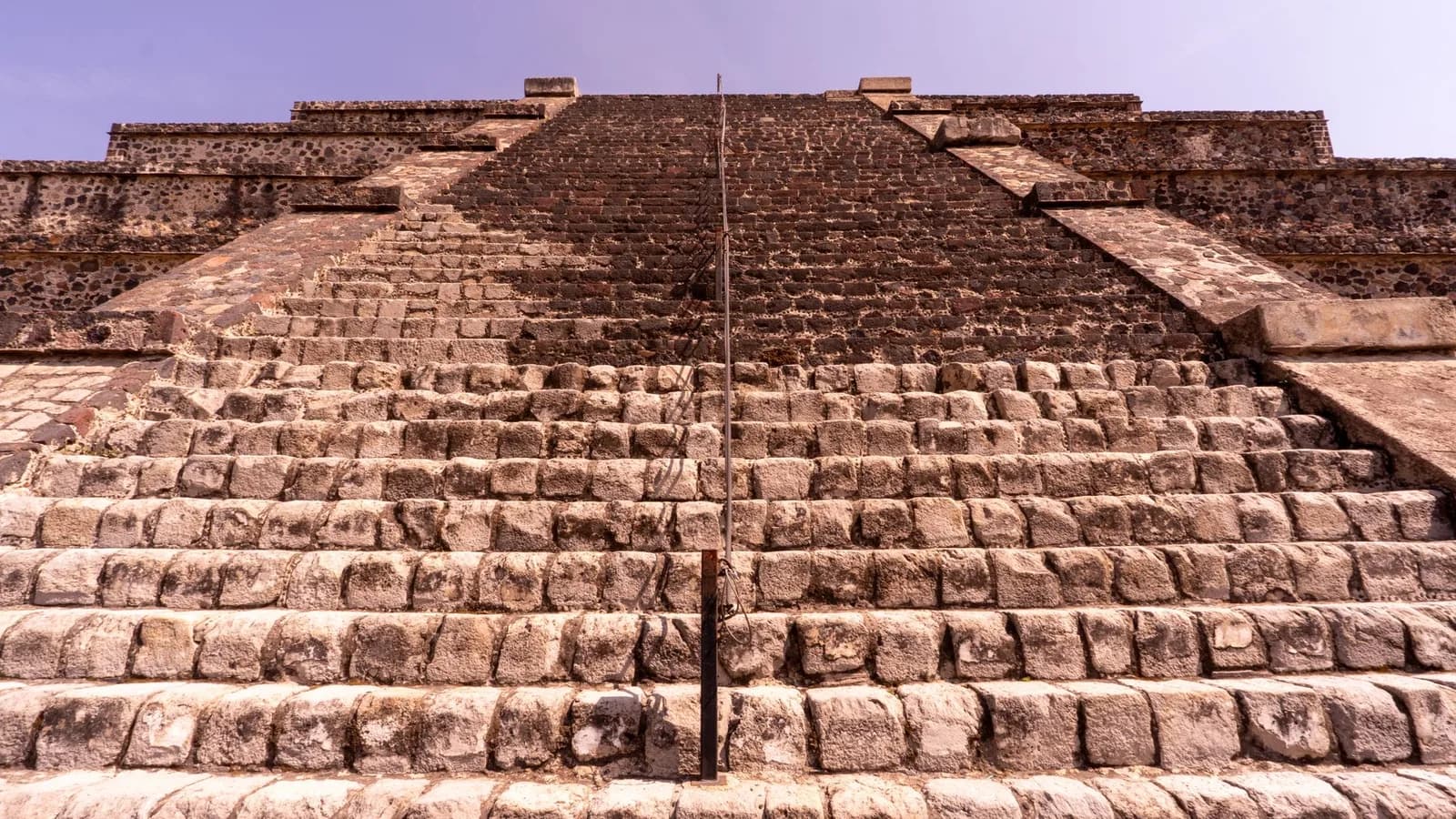
Teotihuacan: the city whose builders we cannot name
A city of over a hundred thousand people, laid out on a grid, north-east of modern Mexico City. We do not know what its inhabitants called themselves, what language they spoke, or who ruled them.
Archaeological Mysteries
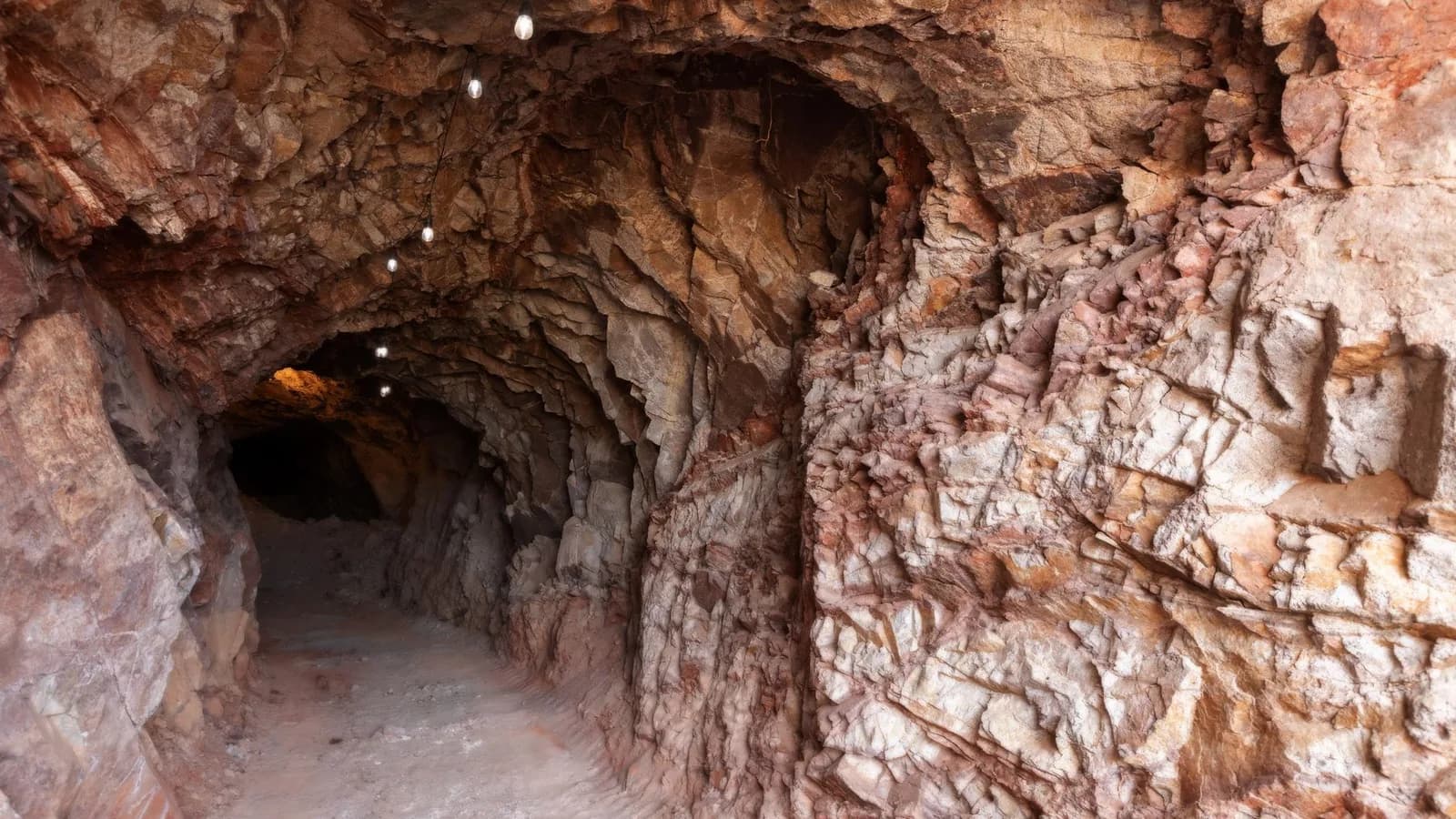
Derinkuyu: an underground city for twenty thousand people
Eighteen storeys carved into soft volcanic rock in Cappadocia, with ventilation shafts, wells, stables, chapels and doors that seal from the inside. It is real, it is enormous, and its purpose is not mysterious.
Unsolved Mysteries
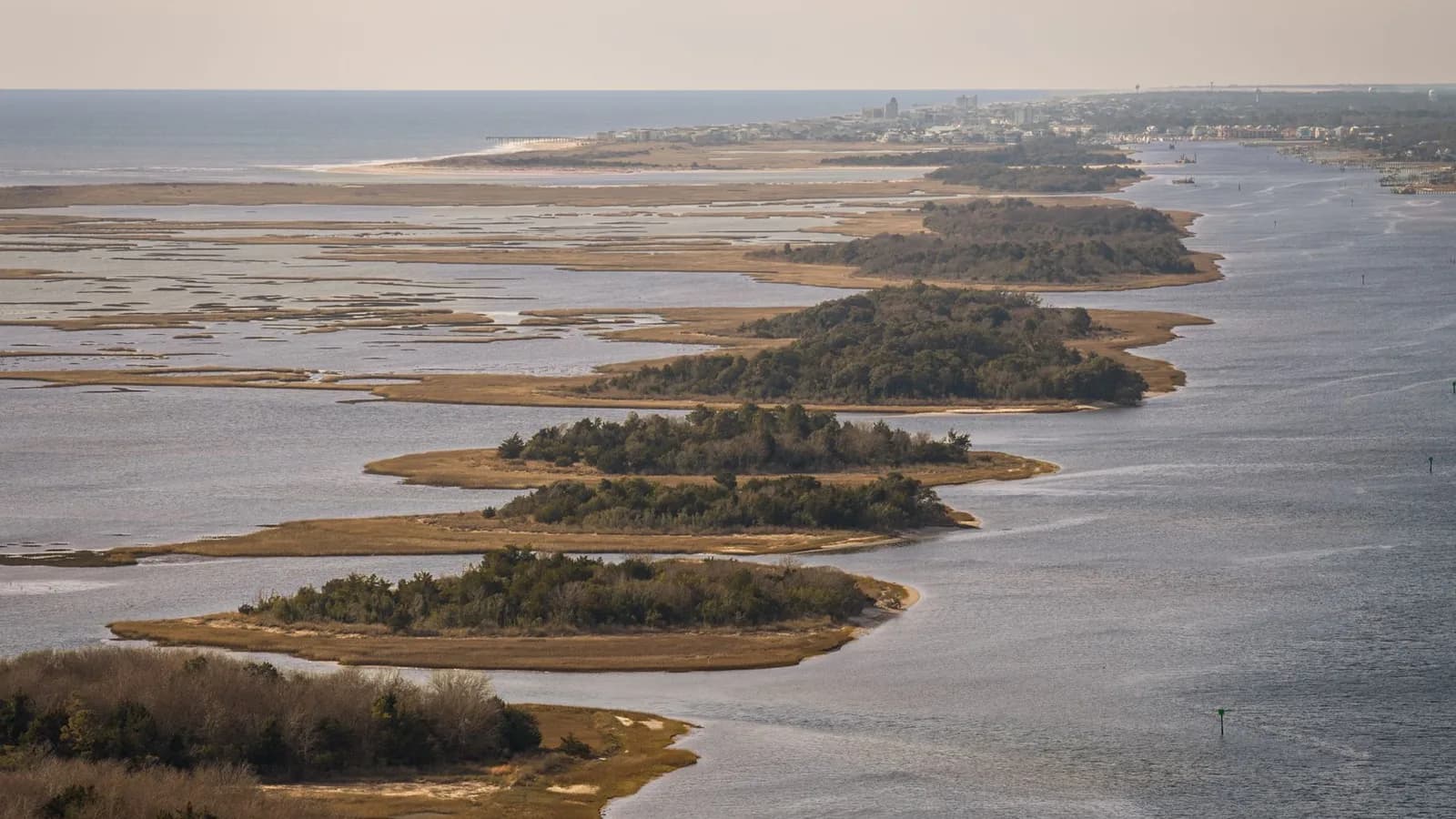
Roanoke: the colonists left a note saying where they went
The Lost Colony is the founding mystery of English America. The colonists carved their destination on a post before leaving, and deliberately omitted the signal that would have meant they were in danger.
Lost Civilisations
Doggerland: the drowned country under the North Sea
A real lost land, inhabited by real people, submerged within the last ten thousand years. It requires no speculation at all — trawlers keep bringing bits of it up.
Archaeological Mysteries
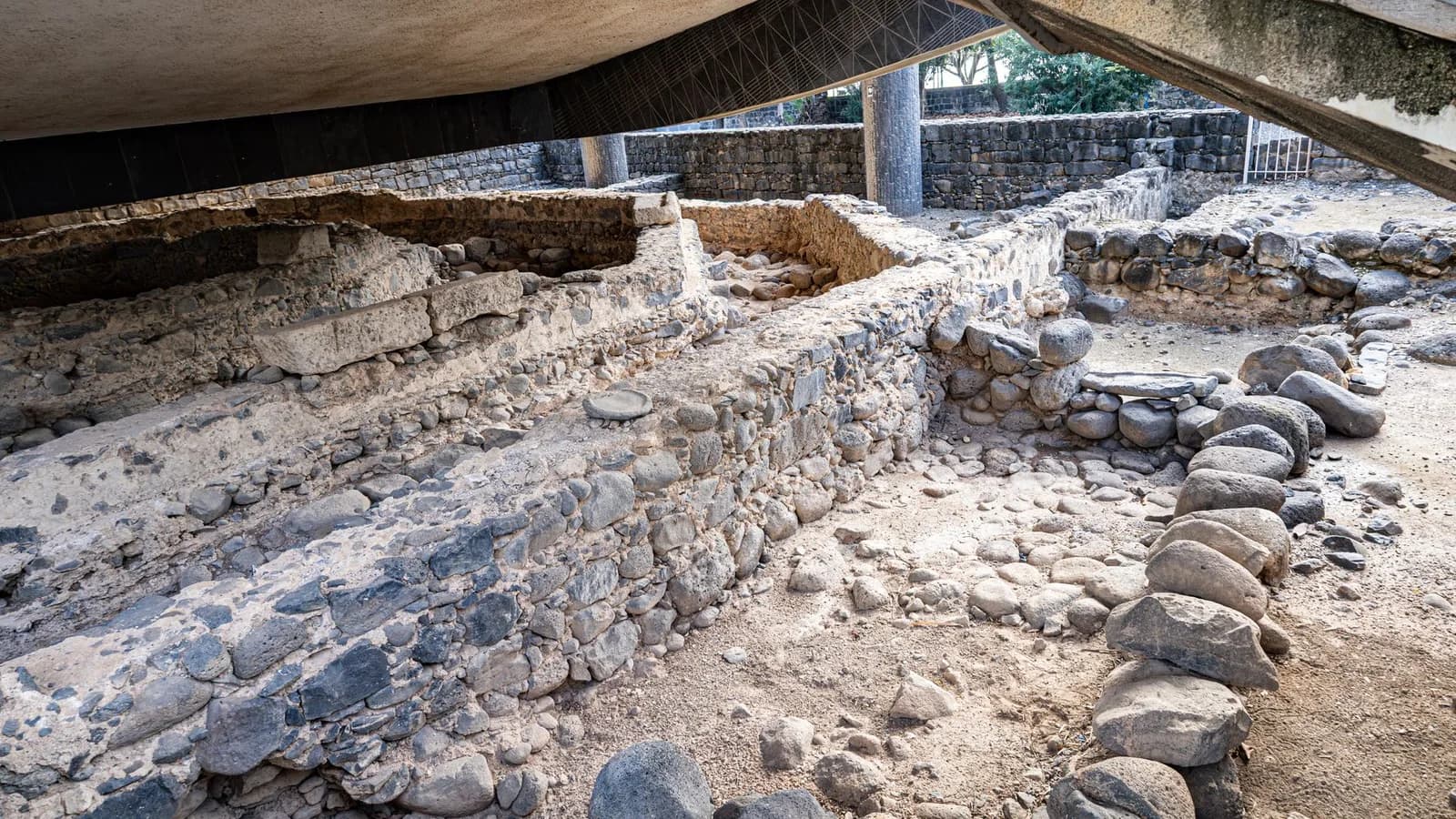
The Ness of Brodgar: twenty years of digging, then backfilled
A field between two famous stone circles turned out to hold a monumental Neolithic complex nobody knew was there. Two decades of excavation ended in 2024 with the trenches deliberately filled in.
Archaeological Mysteries
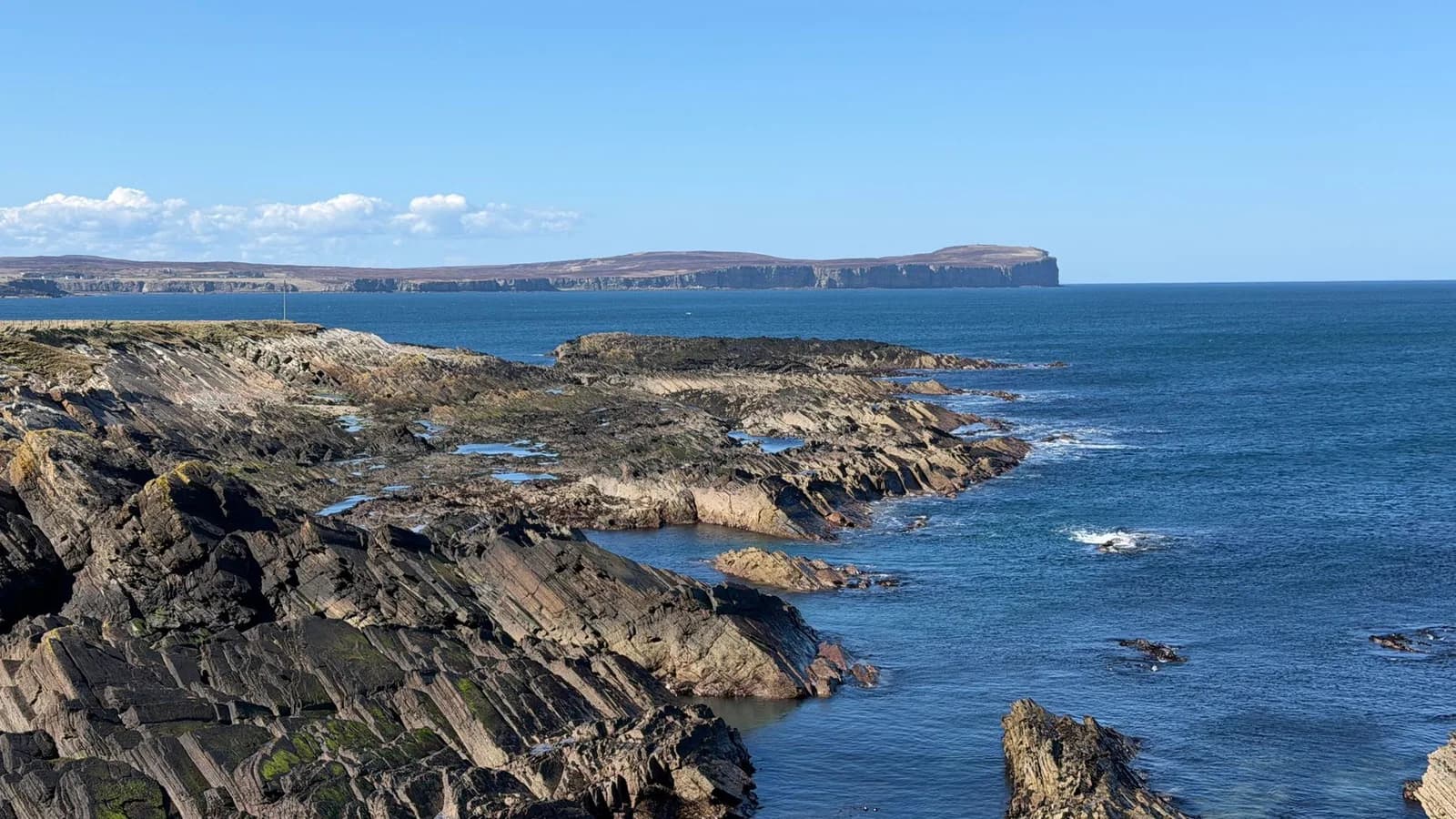
Skara Brae: a Neolithic village with the furniture still in it
A storm stripped the sand off a Bay of Skaill dune in 1850 and revealed eight stone houses with beds, dressers and hearths still standing. It is older than the pyramids and better preserved than anything of its age in Europe.
Submerged Structures
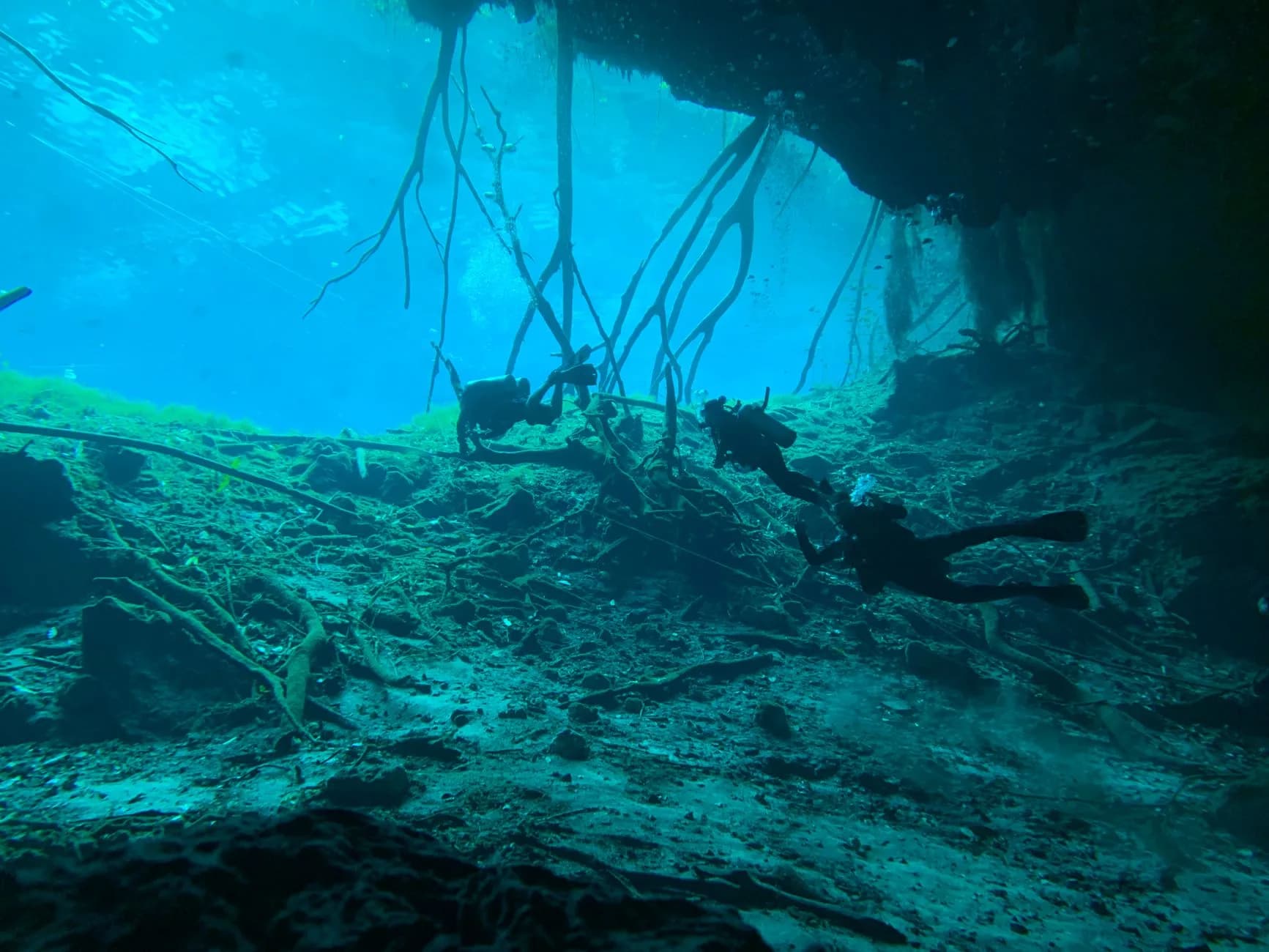
Yonaguni: a submerged monument, or a very tidy rock?
Off the coast of a Japanese island lies a formation with terraces, right angles and what look like steps. Two credentialled scientists have looked at the same rock and reached opposite conclusions. Here is what each of them is actually arguing.
Ancient Beliefs
What people thought they were doing, in their own words where they left any.
Egypt
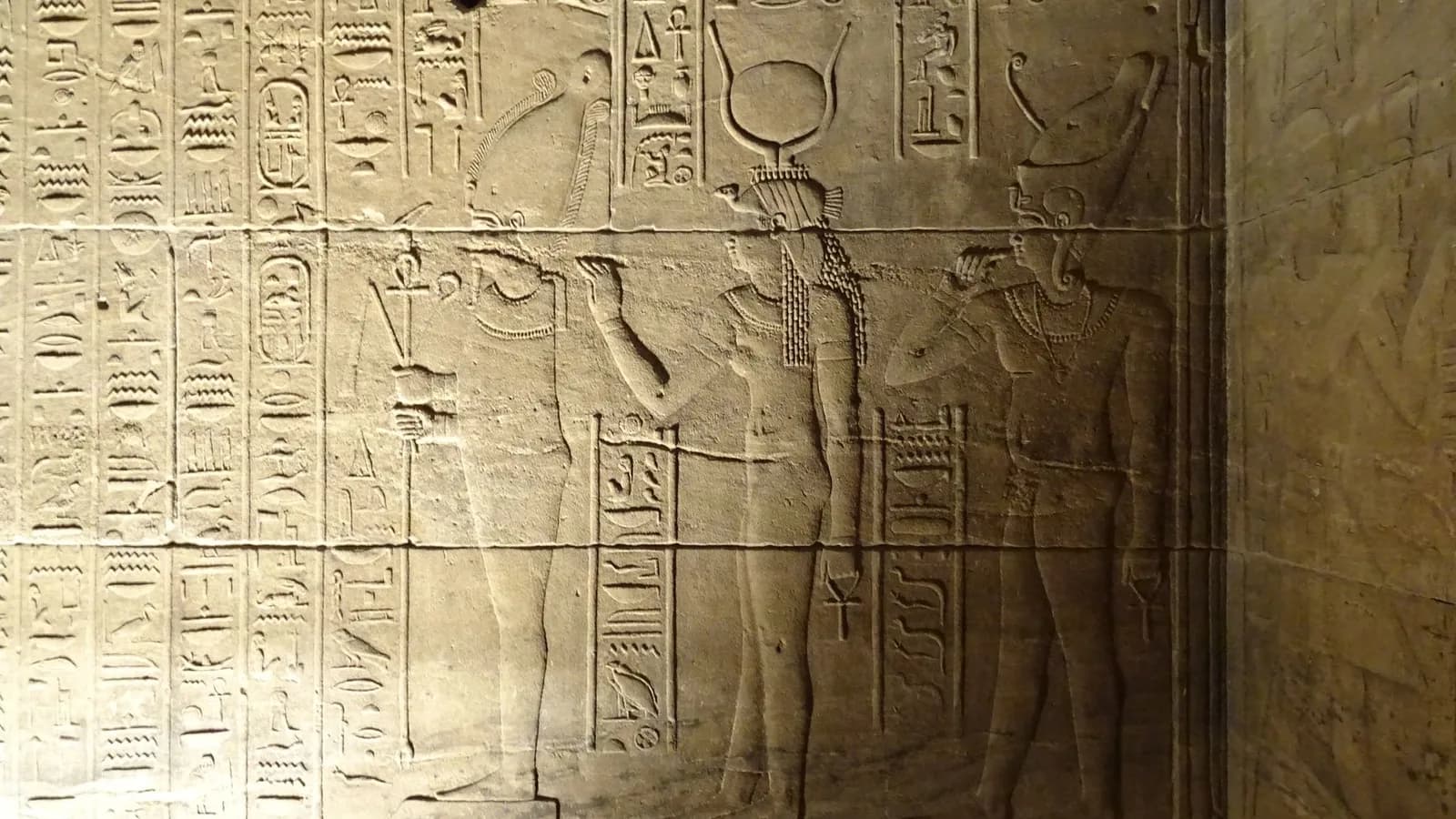
The Dendera "light bulb": what the inscription beside it says
A relief in a crypt at Dendera resembles an electric lamp. It is one of the few ancient-technology claims that can be checked directly, because the Egyptians wrote the answer on the wall next to it.
Atlantis
Atlantis: what Plato actually wrote
Every Atlantis theory traces to two dialogues written by one Athenian philosopher around 360 BC. Reading what he actually says — and why he says it — settles more than any expedition.
Ancient Aliens
Zecharia Sitchin: where the modern Anunnaki story actually comes from
Almost everything popularly believed about the Anunnaki traces to one author writing from the 1970s. His readings of Sumerian are rejected by Assyriology, and the objections are checkable in a dictionary.
Claims Under Investigation
Extraordinary readings of ordinary finds, traced to whoever said it first.
Archaeological Mysteries
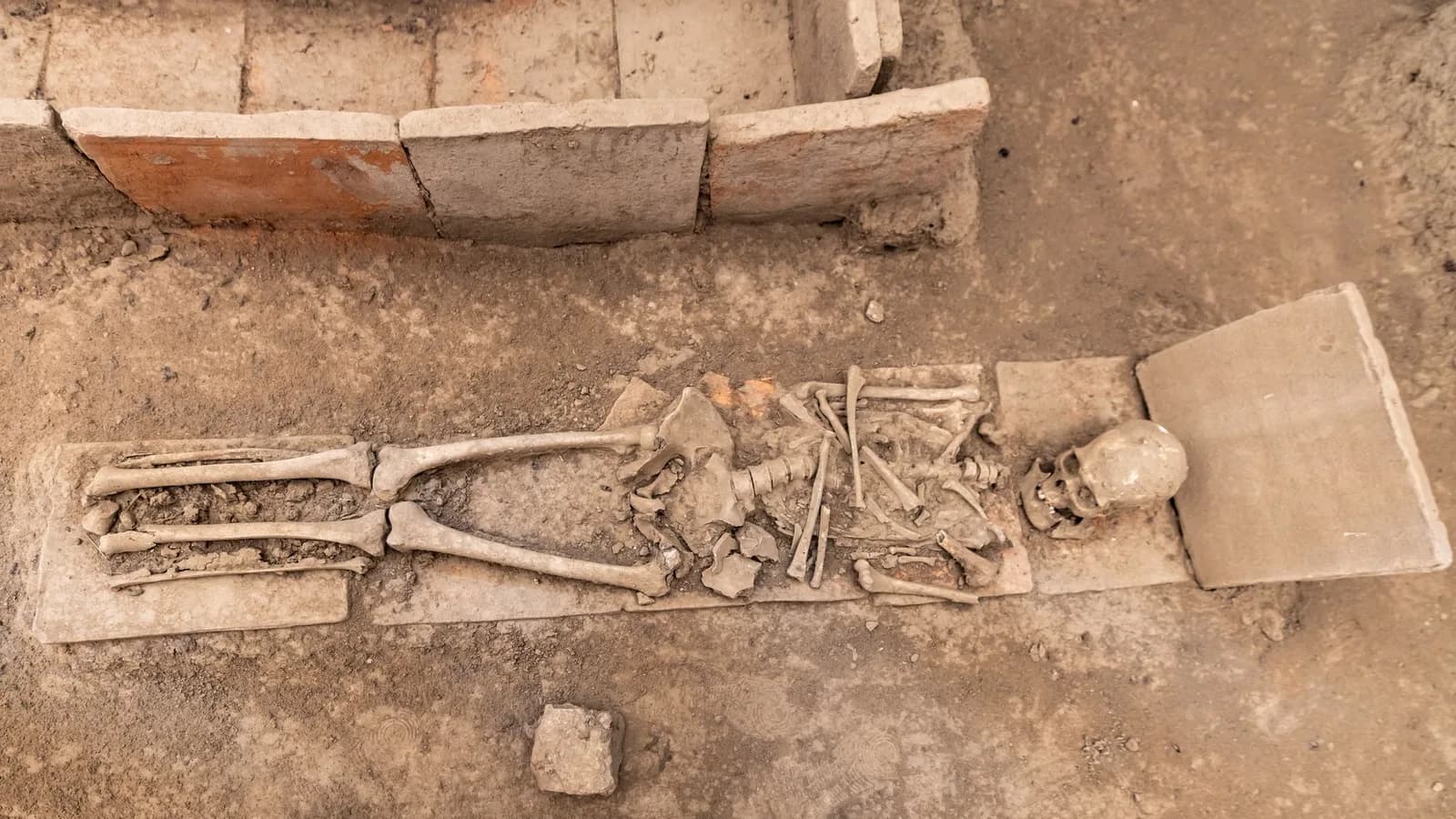
The cemeteries of the long-headed: what a whole burial ground shows
A single elongated skull in a private collection tells you nothing about the people who made it. Five excavated cemeteries, from coastal Peru to post-Roman Hungary, tell you who was shaped, who was not, and where they came from.
Contact & Abductions
Are the greys us? The future-human hypothesis
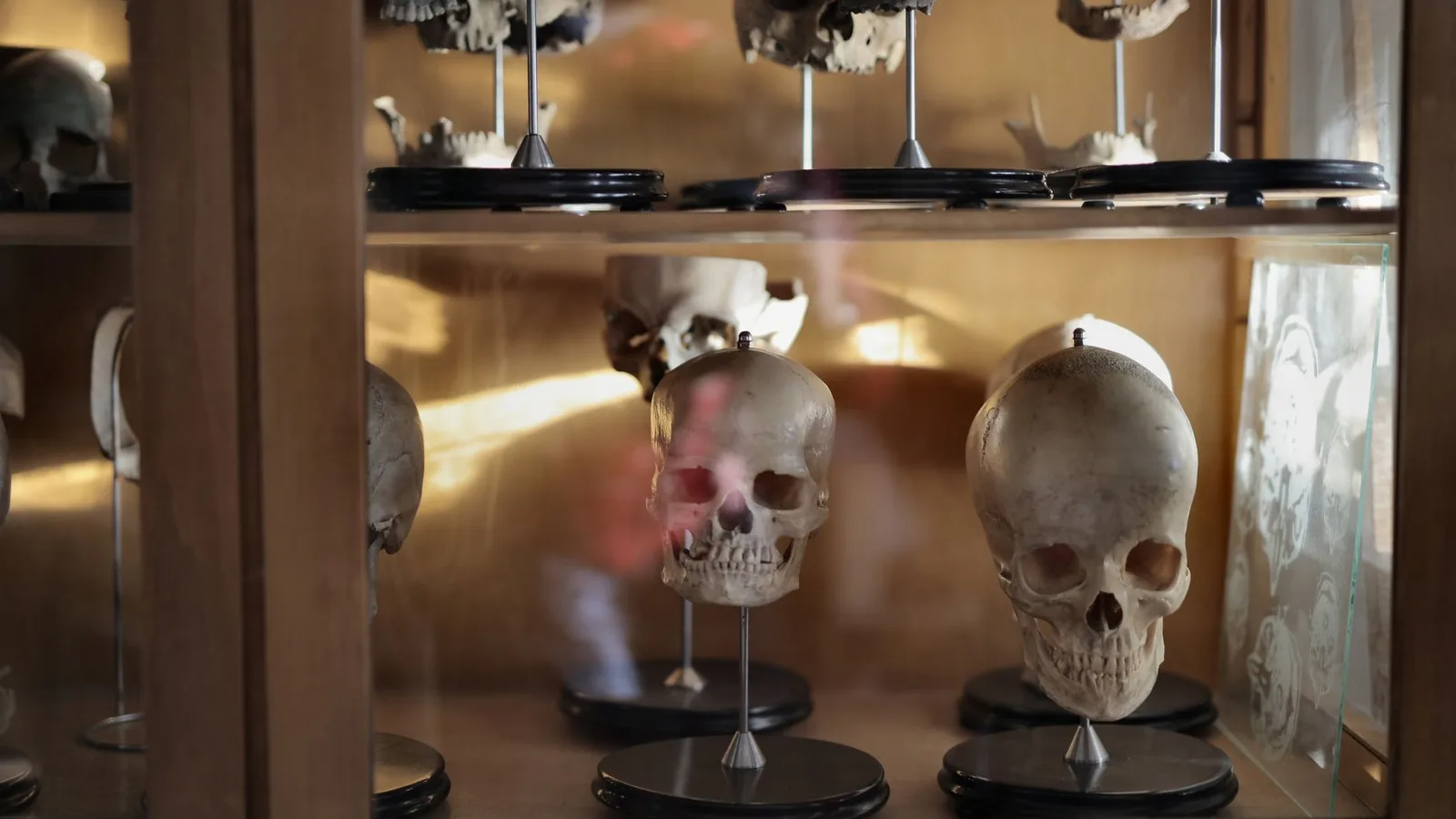
The idea that UFO occupants are our own descendants, visiting their evolutionary past. It has a real anthropologist behind it and a genuine anatomical starting point — and the history of the image undoes most of it.

Ancient Aliens
Where ancient astronaut theory actually came from
The idea that visitors built the ancient world is usually presented as a question raised by the evidence. It is better understood as a literary tradition with a traceable line of descent — and knowing the line explains the claims.
Egypt
The Sphinx water erosion hypothesis: the argument and the objections
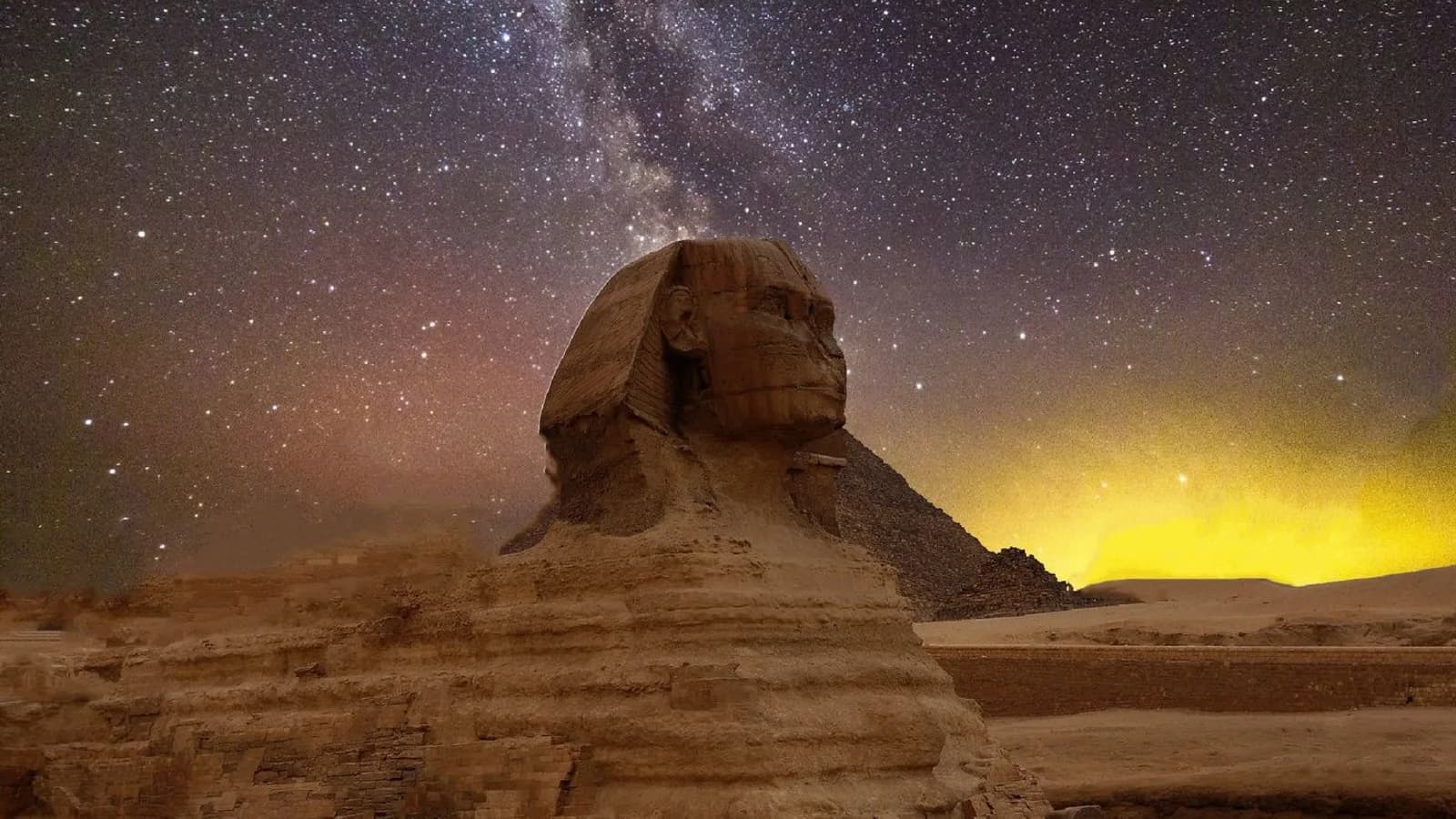
A geologist argued the weathering on the Sphinx enclosure was made by rain, requiring a date thousands of years earlier than Egyptology allows. The argument is real and published. So are the reasons it has not been accepted.
Megaliths
Sacsayhuamán: how the Inca actually fitted those stones
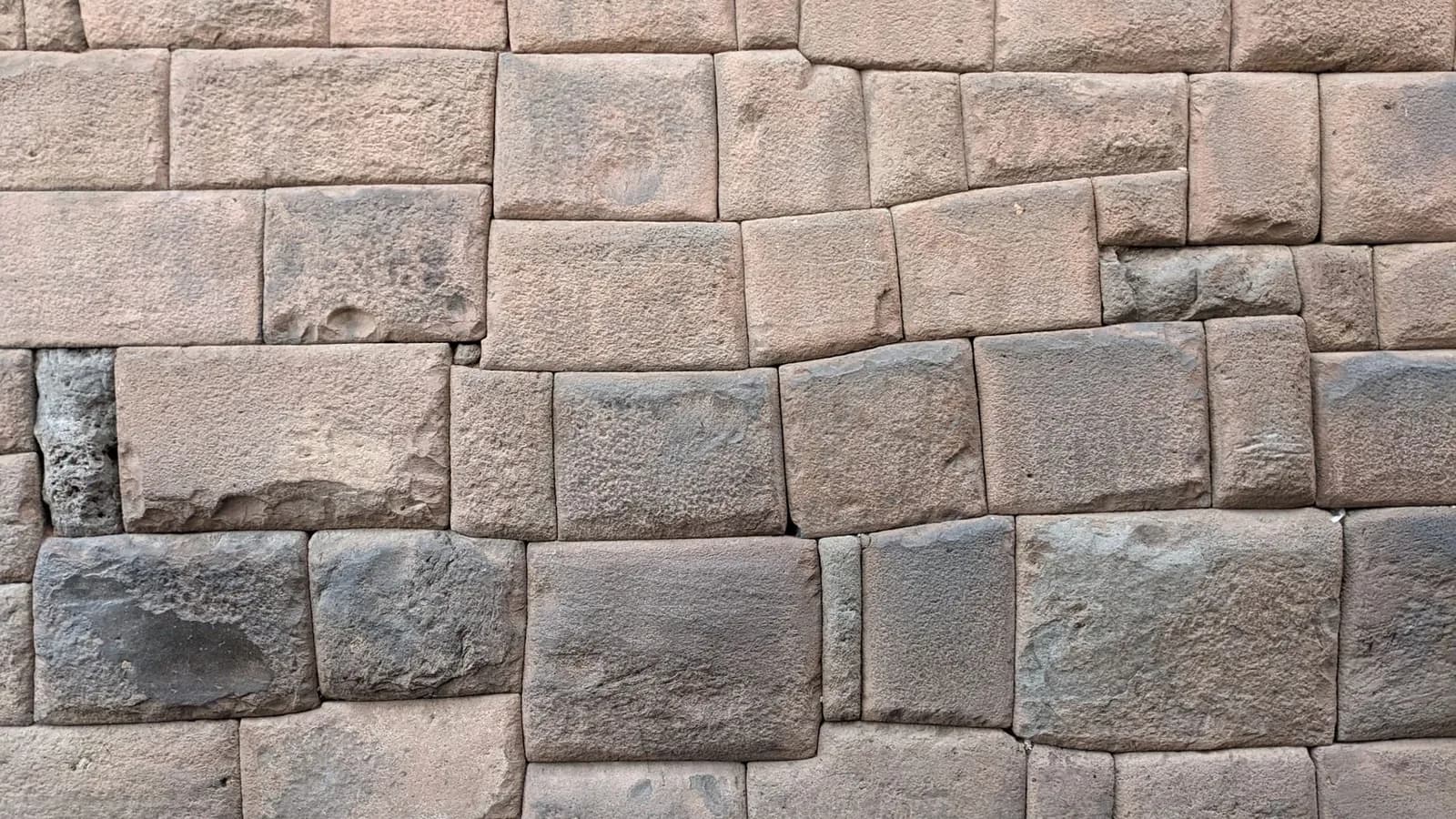
Walls above Cusco where hundred-tonne blocks meet so closely a blade will not pass between them. The precision is real. So is the Spanish account of how it was done.
Lost Civilisations
The Younger Dryas impact hypothesis: a real scientific argument
Around 12,800 years ago the climate reversed sharply back into cold. One proposal is that a comet caused it. This is a live dispute in the literature, not a fringe claim — and it is losing.
Megaliths
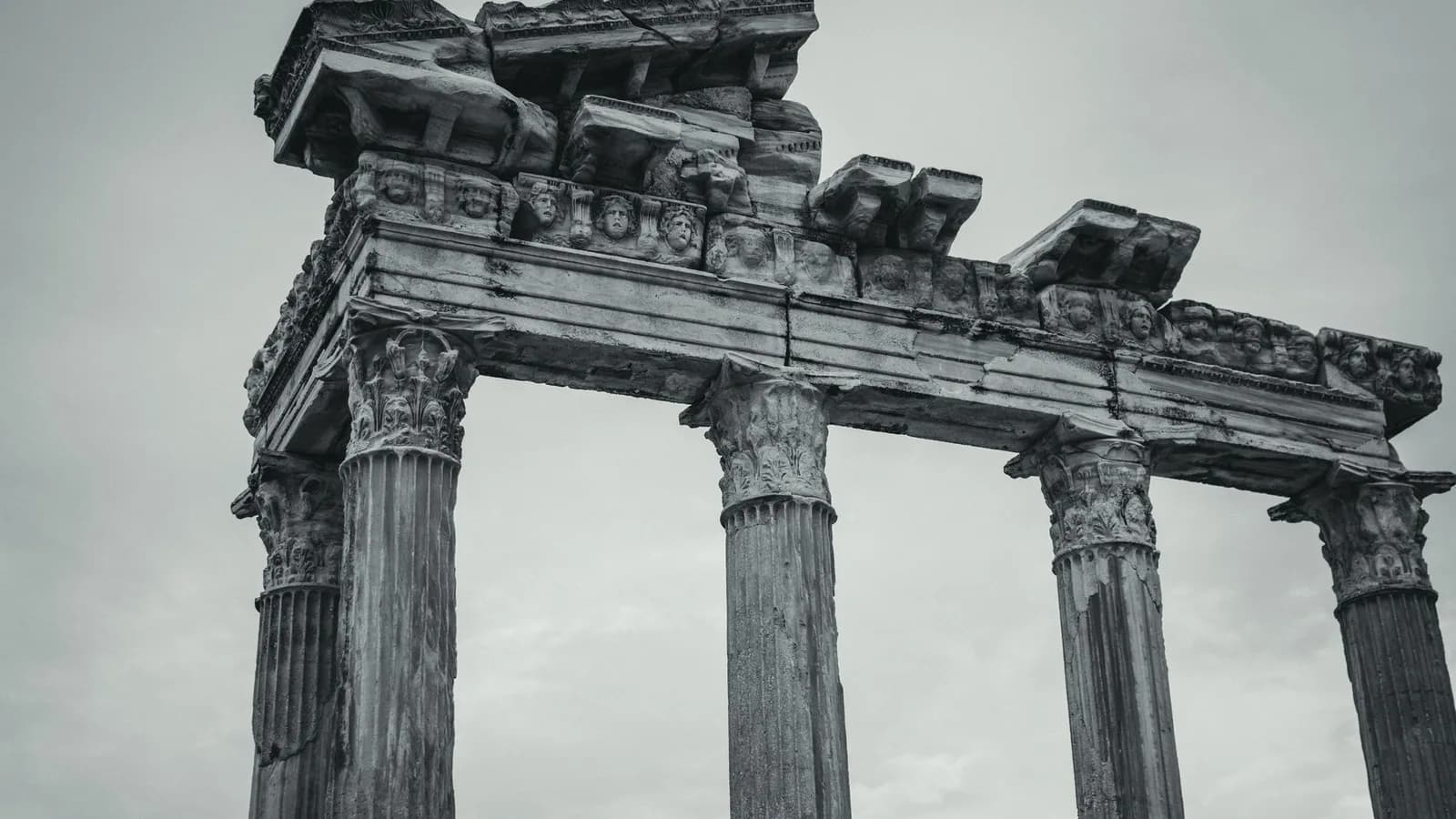
Baalbek: the largest worked stones ever moved, and who moved them
Three blocks in a Roman temple platform in Lebanon weigh around 800 tonnes each. A larger one still lies in the quarry. Roman engineering accounts for them, and the quarry is the reason we know.
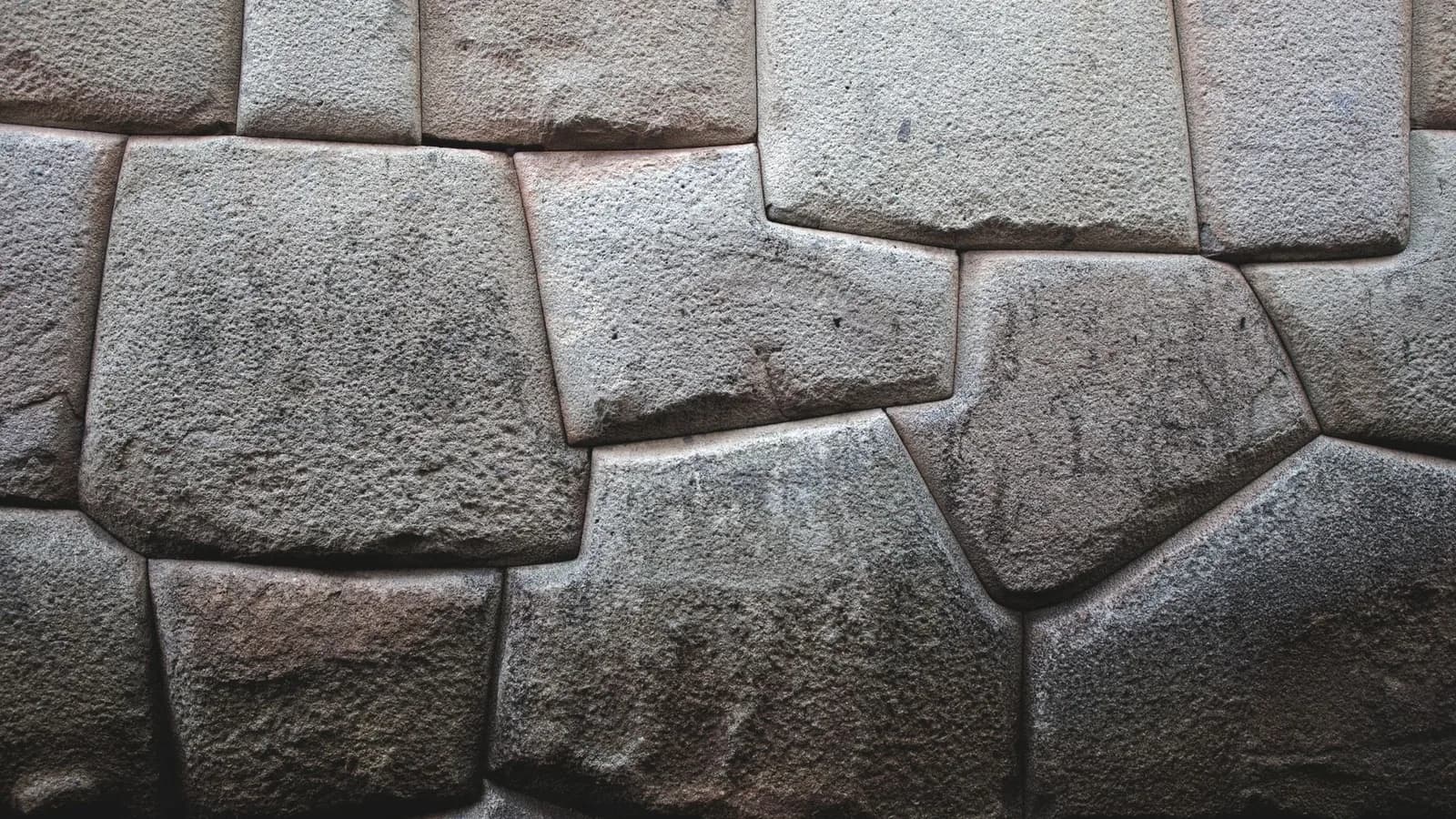
Megaliths
Puma Punku: the stonework, and what tools actually made it
Blocks with flat faces, sharp internal angles and repeated identical forms, in the Bolivian highlands. The precision is real. The claim that it cannot be explained is not.
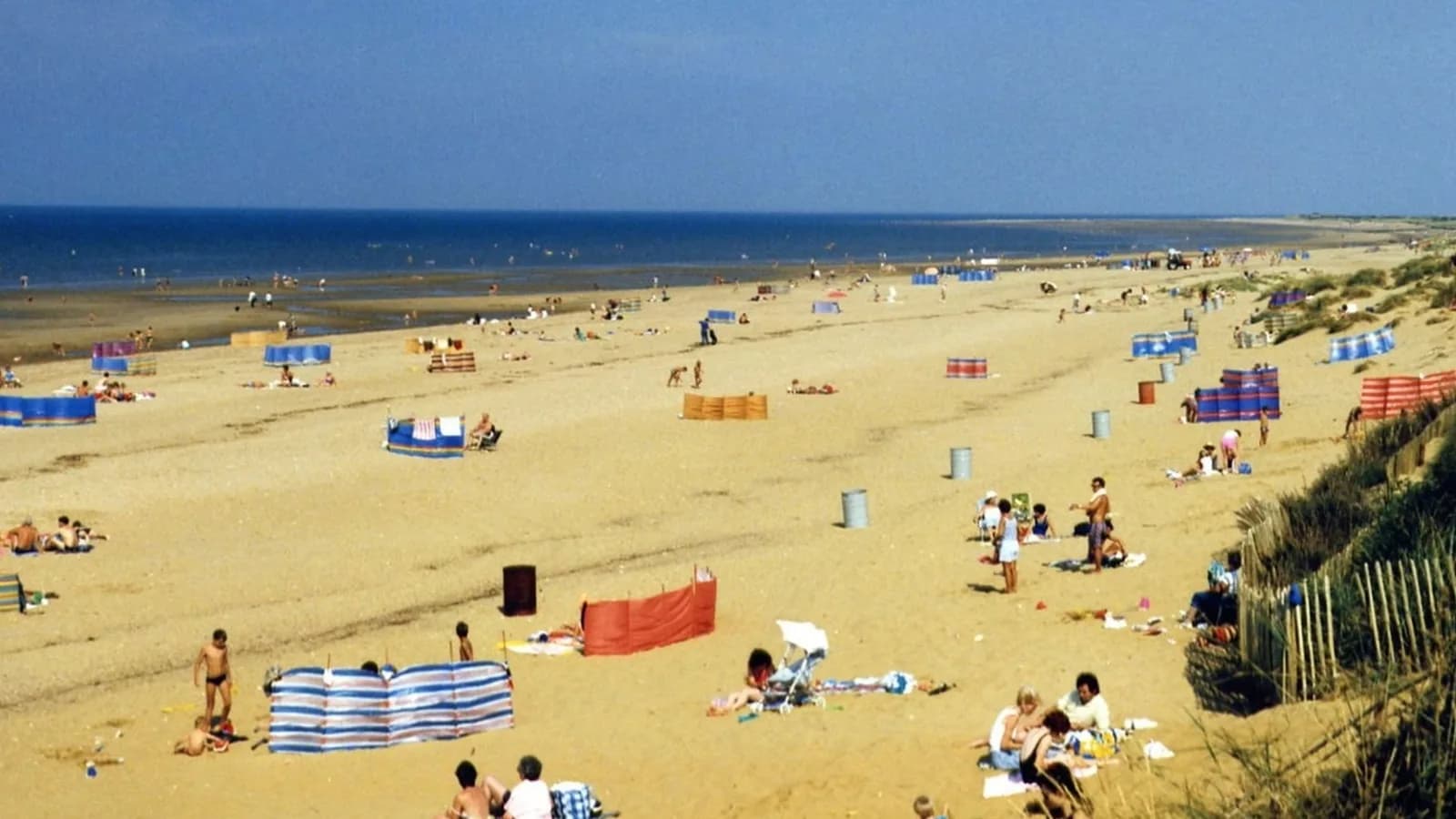
Megaliths
Seahenge: a monument we can date to the year
A circle of oak posts around an upturned tree stump, revealed by shifting sand on a Norfolk beach. Tree rings date the felling to 2049 BC — not a range, a year.
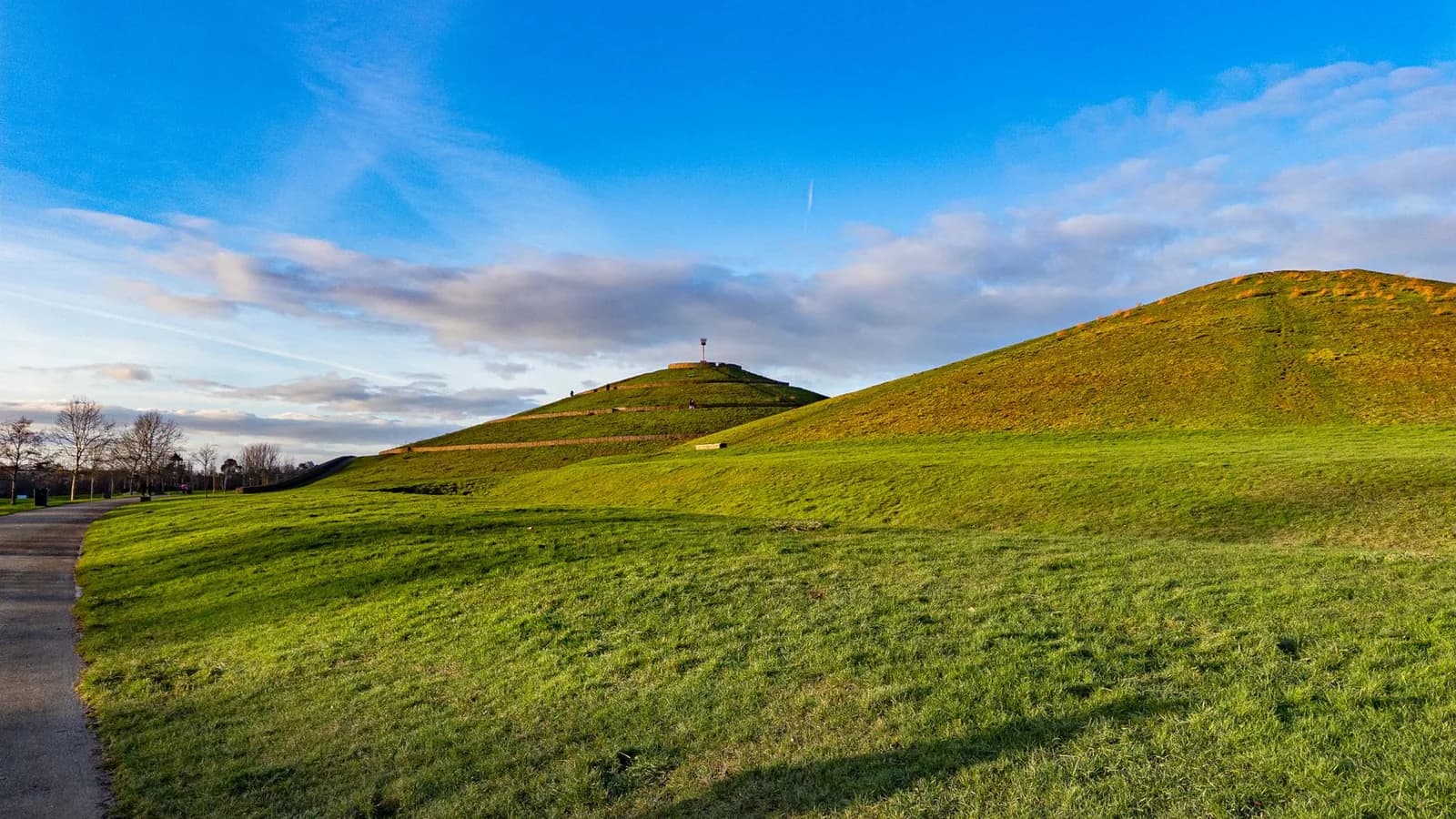
Megaliths
Silbury Hill: dug into three times, and empty
The largest artificial mound in Europe, built around 2400 BC, and nobody knows why. Three major excavations went looking for a burial. There is not one.
Megaliths
Avebury: the circle you can walk through, and the parts that are concrete
Bigger than Stonehenge, older in part, and free to walk into. It also contains a medieval burial under a stone, and a good deal of 1930s reconstruction that visitors take for prehistory.
Megaliths
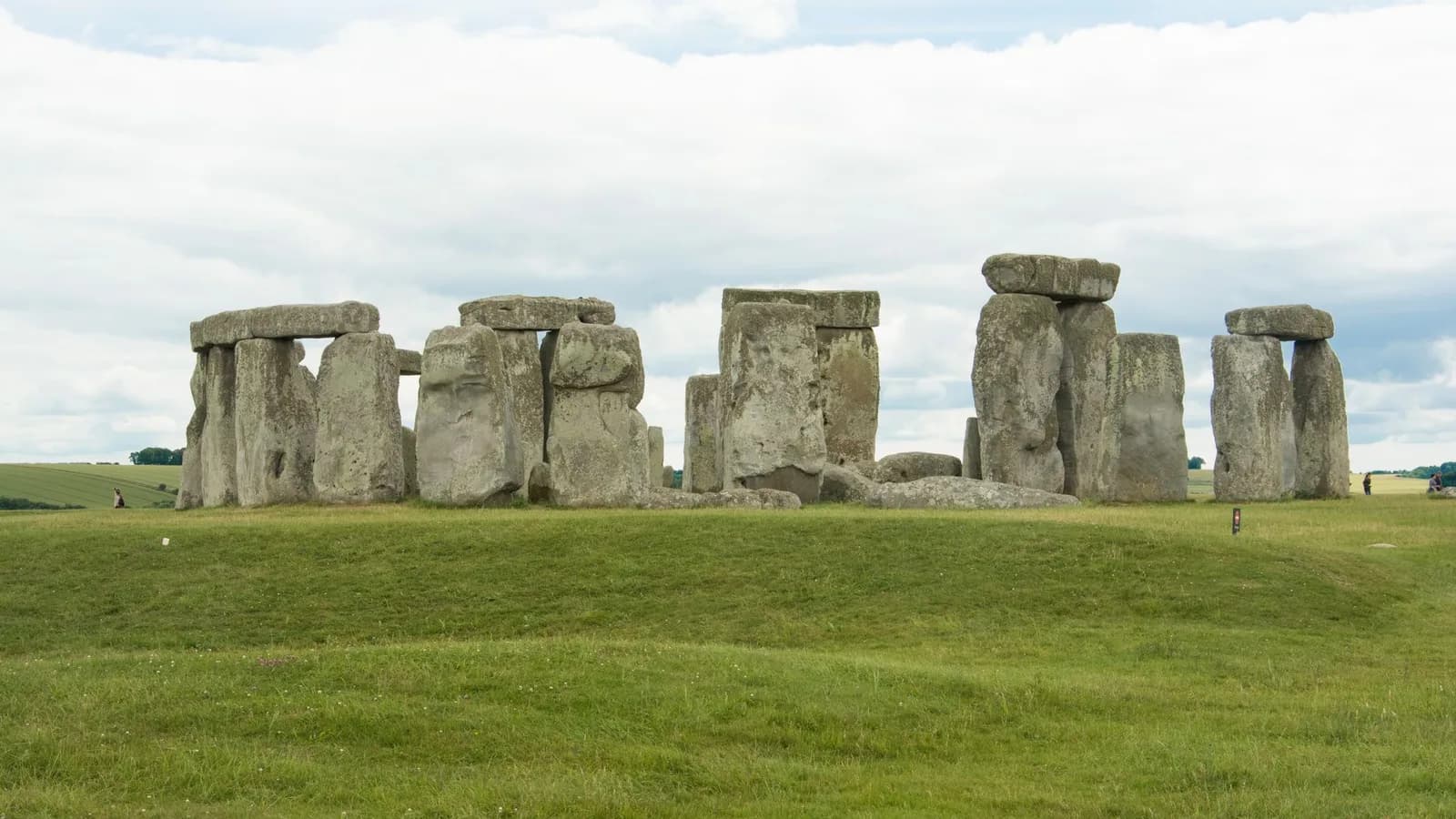
Stonehenge: what has actually been established
The most examined prehistoric monument in the world, and the popular account is still mostly wrong. Here is what excavation and geochemistry have actually settled — including a finding from 2024 that changed the map.

Archaeological Mysteries
Did ancient people shape their heads to resemble their gods?
It is the most repeated explanation for head binding and it is almost never sourced. Run it as a test instead: what would count as evidence, and how many of the societies that shaped heads actually meet the standard?
Submerged Structures
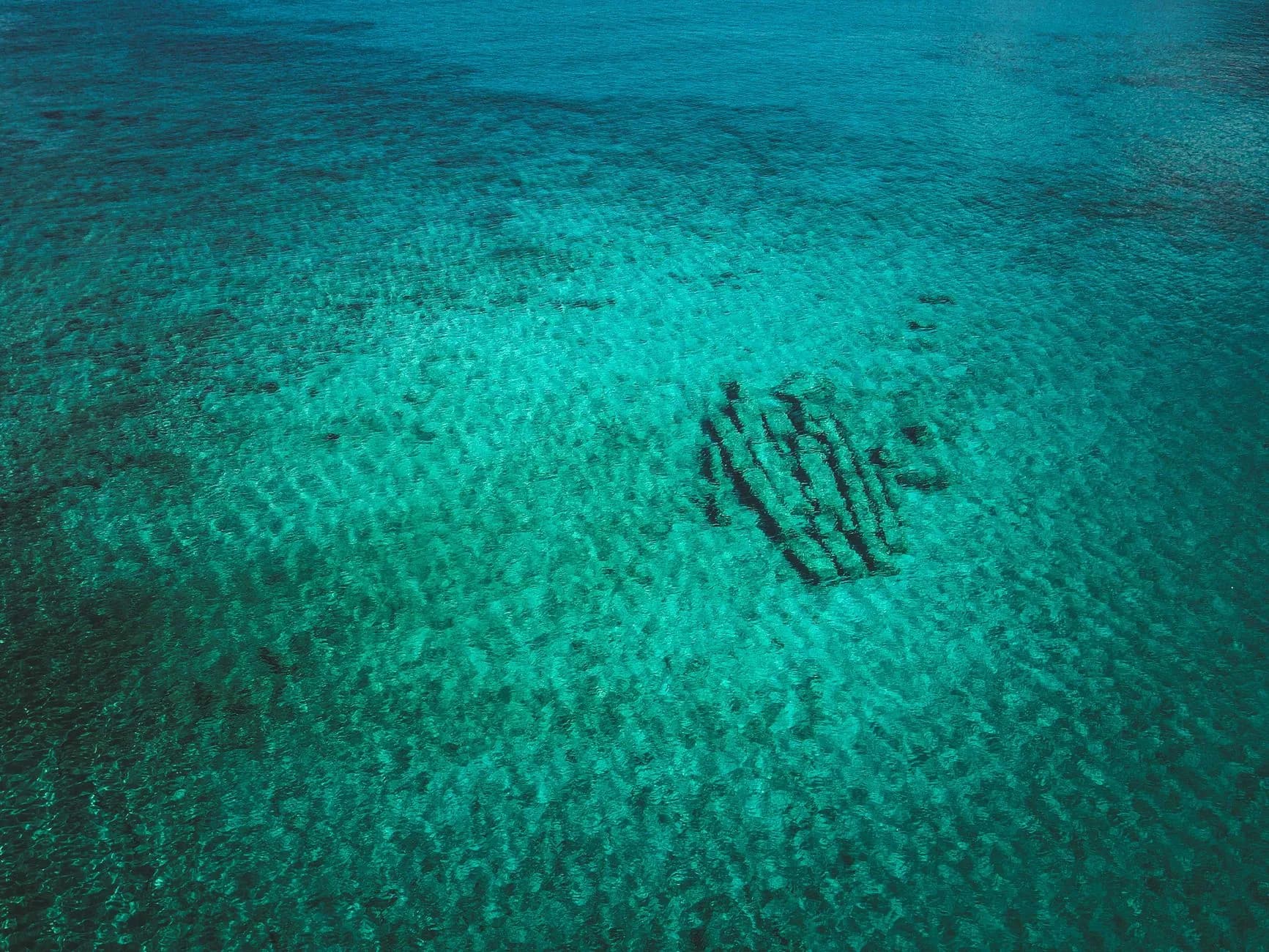
Bimini Road: the prophecy that found what it went looking for
A line of squared blocks under shallow Bahamian water, found in 1968 — exactly when a famous psychic had predicted Atlantis would begin to reappear. The geology is settled. The story of how it was found is the interesting part.