

Where ancient astronaut theory actually came from
The idea that visitors built the ancient world is usually presented as a question raised by the evidence. It is better understood as a literary tradition with a traceable line of descent — and knowing the line explains the claims.

The genre is a literary tradition with a traceable line of descent back to the 1910s.
The site covers the claims. It has covered them subject by subject: Puma Punku, Baalbek, the Nazca lines, Sitchin’s Anunnaki. What it had not covered is where the framework itself came from, which turns out to explain a great deal.
The line of descent
Charles Fort, in the 1910s and 1920s, collected anomalies from newspapers and journals and speculated that Earth might be property. He was a satirist of scientific certainty more than an advocate, but he supplied the method: assemble unexplained items, imply a pattern.
Theosophy, from the 1880s onward, supplied the content — lost continents, root races, ancient wisdom from elsewhere. Much of the later material about Lemuria and Atlantean survivors comes from this stream rather than from any archaeology.
In 1960 Louis Pauwels and Jacques Bergier published Le Matin des magiciens, which assembled occultism, fringe science and speculation into a bestseller and made the genre commercially viable in Europe.
In 1968 Erich von Däniken published Chariots of the Gods?, which sold in the tens of millions and set the template: a rapid tour of sites, a question mark after each, and no return visit.
What the sites had in common
They were, in 1968, genuinely under-excavated and mostly non-European.
That is the pattern nobody names. Stonehenge appears; so do Nazca, Puma Punku, Egypt, Easter Island, the Maya. Chartres cathedral does not, though it is architecturally extraordinary and built by people with no more machinery than the Inca had.
The framework asks who really built the monuments of Peru, Egypt and Mesoamerica. It does not ask it of Europe. Whatever the intent, the effect is to remove achievement from the societies that are least able to answer back in the popular press.
The one claim that was tested properly
Von Däniken argued that the Nazca lines were runways or markers laid out for something in the air, on the ground that they cannot be appreciated from ground level.
The response was experimental. In 1982 Joe Nickell and a small team reproduced a large Nazca figure — the condor — using only stakes, cord and the technology available to the original makers. It took a few people a few days, and aerial photographs of the result matched the original closely.
The lines are also made by clearing surface stones to expose lighter ground beneath. That is a technique for marking a desert floor, not a surface capable of bearing anything landing on it.
What has happened since
The archaeology filled in. Puma Punku’s stonework has been reproduced experimentally. Baalbek’s quarry contains the abandoned block and the tool marks. Nazca’s lines have been made by modern volunteers with wooden stakes and cord. Sacsayhuamán’s construction is described in colonial-era chronicles.
Almost every specific claim in Chariots of the Gods? has an answer now. The books that followed it did not update; they added sites.
Join the discussion
Still open on this one:
- 01
Why do the same dozen sites recur across sixty years of books?
The list barely changes. That is a property of the literature rather than of the archaeological record, which has changed enormously in the same period.
Be the first to comment
Sources
Open them and check for yourself. Where a record is public, it is linked.
British Museum
National Archaeological Museum, Athens
Hellenic Ministry of Culture
Related
Psychic Phenomena
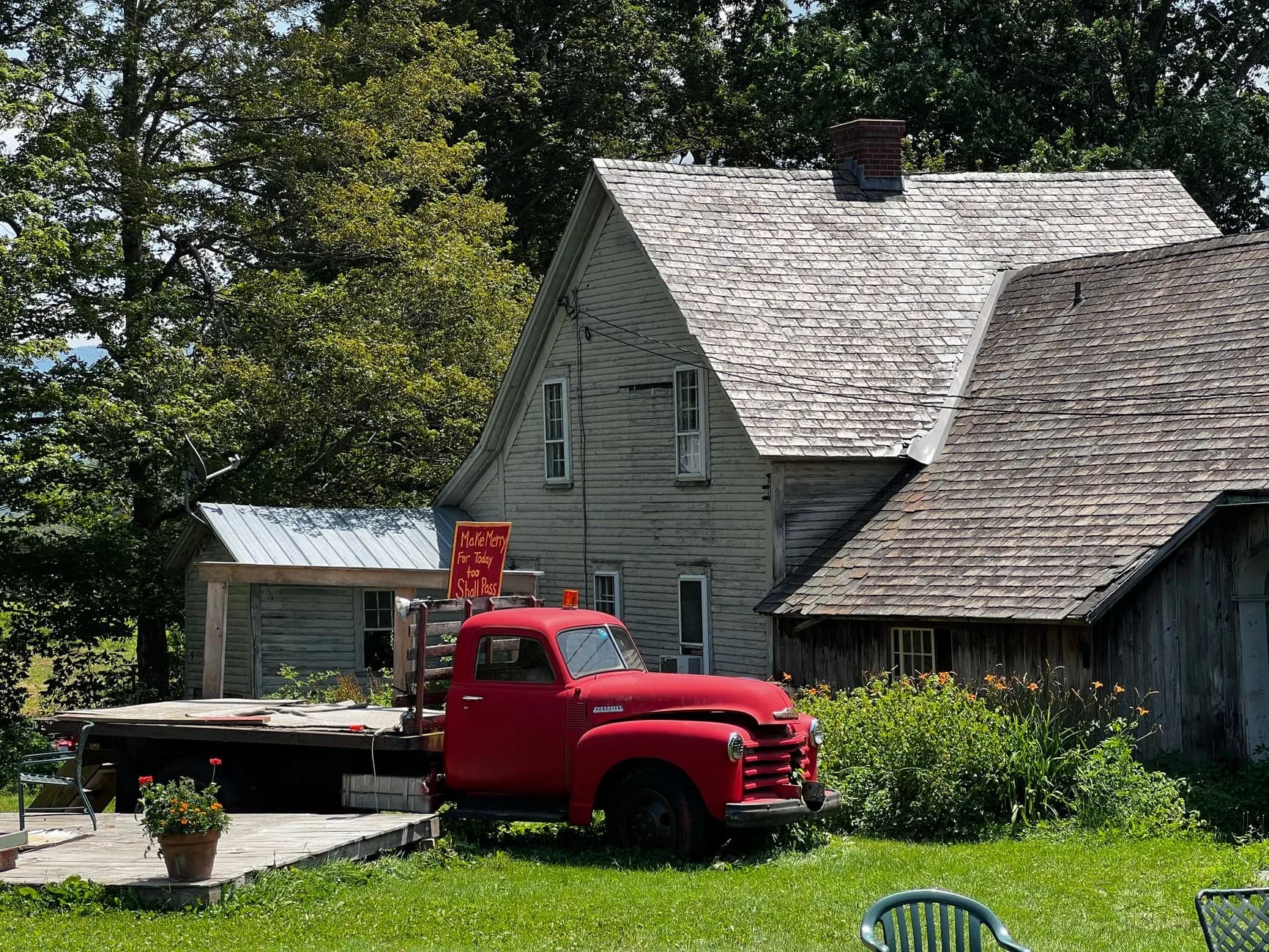
The Nine: who — or what — were they?
On New Year’s Eve 1952, in a laboratory in Maine, a voice announced itself as one of nine. Over the next forty years it reached a credentialled scientist, a celebrity psychic, a bestselling book and the creator of Star Trek. This is what is documented, and what is not.
Psychic Phenomena
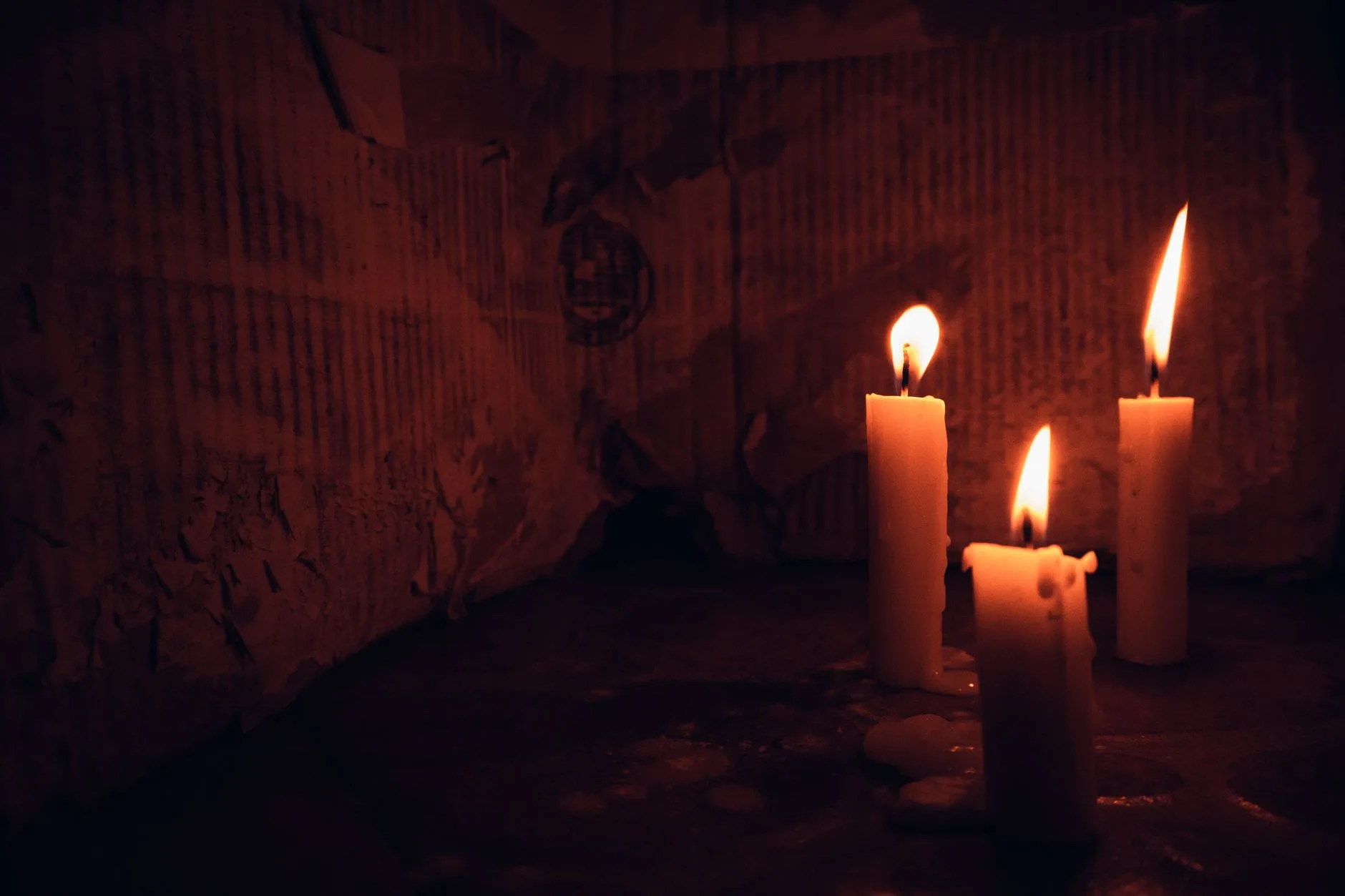
New Year’s Eve 1952: the first session with the Nine
The founding event of the whole Nine phenomenon happened in a Maine farmhouse on 31 December 1952. Here is what the record supports about that evening, and how much of the familiar account was written down much later.
Psychic Phenomena
D. G. Vinod: the man at the beginning of the Nine
Every version of the Nine story starts with Dr D. G. Vinod in a trance in Maine. He is also the person that story then almost entirely forgets. Why the first channel is the biggest hole in the record.

Psychic Phenomena
Andrija Puharich: the doctor who kept turning up
A qualified physician, an inventor with real patents, an army medical officer — and the constant in forty years of the strangest story in American parapsychology. Puharich is the reason the Nine keep touching institutions.
0 comments