

AARO moves to buy access to the largest private UFO archive
A Pentagon contracting notice reported on 2 September would give the UAP office digital access to a private collection of case files it says exists nowhere else — with the emphasis on material from before 1990.
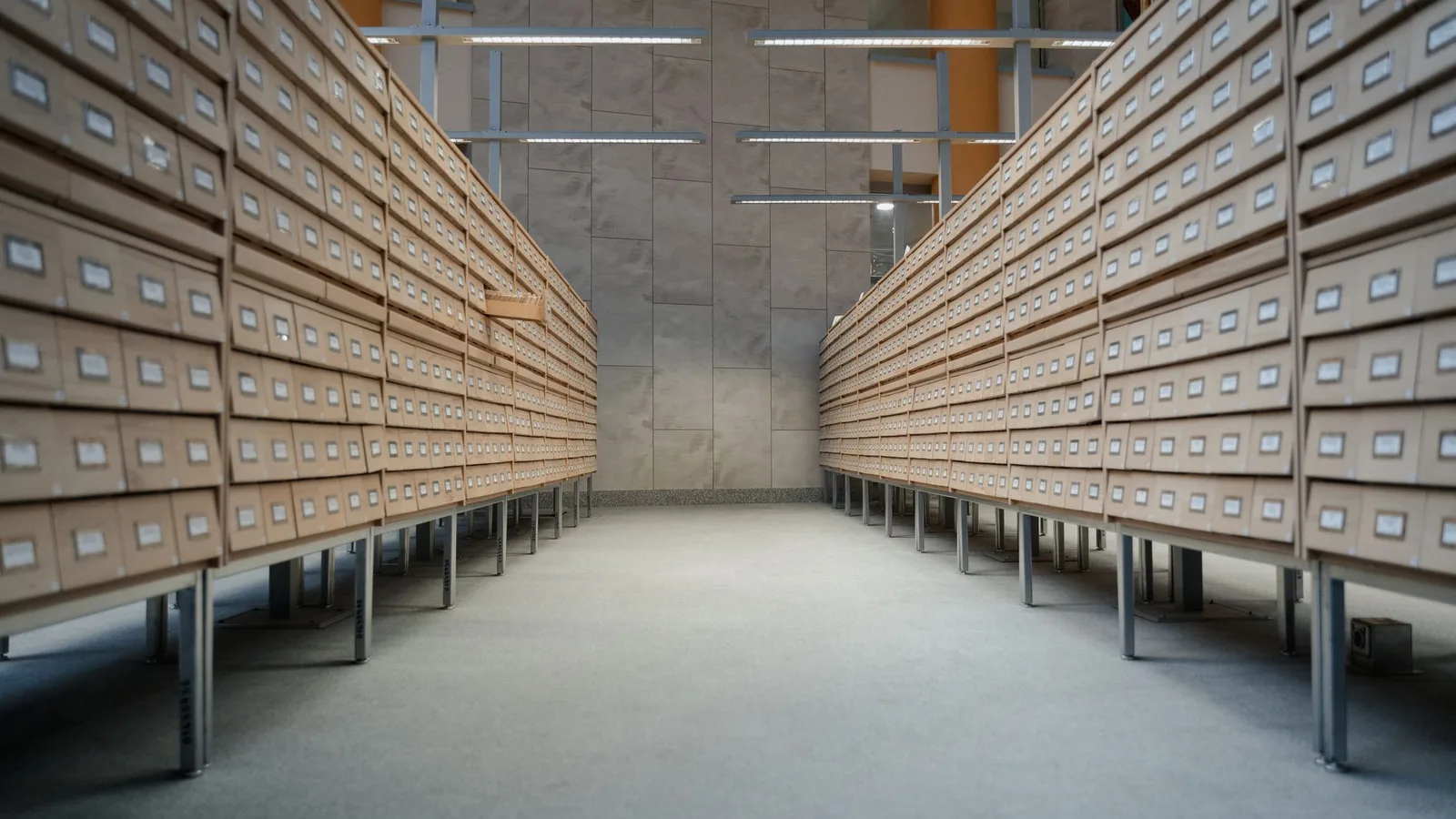
Photo by Tima Miroshnichenko on Pexels
The Pentagon’s All-domain Anomaly Resolution Office has moved to award a sole-source contract for access to the archive of the National Unidentified Flying Object Historic Records Center, a New Mexico non-profit founded and led by the researcher David Marler.
This was reported by DefenseScoop on 2 September 2026, citing a Department of Defense contracting notice. We have not been able to locate that notice ourselves, and what follows is DefenseScoop’s account of it rather than our reading of the document.
What is reported
A commercial data subscription giving AARO digital access to the centre’s proprietary data, metadata and analytical products, with particular emphasis on material predating 1990. The structure reported is a one-year base period with four one-year options.
The justification given for going to a single supplier, attributed to an unnamed War Department official, is that market research found no other organisation with the historical depth, volume of unique records and specialist analytical expertise to meet the requirement. The same official is quoted describing the collection as holding hundreds of thousands of case files that exist in no other repository, public or private.
No cost was disclosed.
Why it matters
AARO is under a statutory obligation, set by the 2023 National Defense Authorization Act, to review the whole historical record of US government involvement with these phenomena back to 1945. Its first historical report, published in March 2024, drew on government holdings.
What this is not
It is not a disclosure event, and nothing in the reporting suggests the office expects to find evidence of non-human origin. AARO has consistently said its reviews have produced none.
It is a records-access contract, and the interesting thing about it is institutional: the office charged with writing the official history is going outside government to do it.
What we could not settle
Loose ends we are still working on.
- 01
What is actually in the pre-1990 files?
Hundreds of thousands of case reports that no government archive holds. Whether they contain anything the official record missed is the whole question, and nobody outside the collection can answer it yet.
- 02
Will anything AARO takes from it become public?
A subscription buys access, not ownership. Whether material bought this way ends up in a published report, or stays inside the office, is not addressed in the reporting.
Got something to add?
A question, a source we missed, a correction, or something you saw yourself — all of it is welcome here. You do not need to be an expert, and you are allowed to disagree with us.
Nobody has yet — go on.
See also
Everything this piece touches
Sources
Open them and check for yourself. Where a record is public, it is linked.
Pentagon seeks access to vast private UFO records collection
DefenseScoop · 2 Sept 2026
All-domain Anomaly Resolution Office
US Department of Defense
US National Archives
Related

Government Disclosure
Flying saucer to UFO to UAP: what each name was for
The subject has been renamed twice in seventy-five years, and each renaming was an argument about what could be taken seriously. Follow the words and you have the history of the field.
Megaliths
Baalbek: the largest worked stones ever moved, and who moved them
Three blocks in a Roman temple platform in Lebanon weigh around 800 tonnes each. A larger one still lies in the quarry. Roman engineering accounts for them, and the quarry is the reason we know.

Secret Societies
Bilderberg: a real private conference, and what it is not
Around 130 people from politics, finance and media meet each year behind closed doors with no minutes. That is genuinely objectionable. It is also not a world government, and the difference matters.

Government Secrecy
From Task Force to AARO: the current official machinery
In five years the US government went from having no formal UAP process to a permanent office with a statutory basis and a public reporting duty. What it has actually said is less dramatic than the fact of its existence.
0 comments