

Porton Down: what was done to British servicemen
Britain has its own file. A serviceman died in a nerve agent test in 1953 having been told it was research into the common cold. It took fifty-one years to get an inquest that said so.
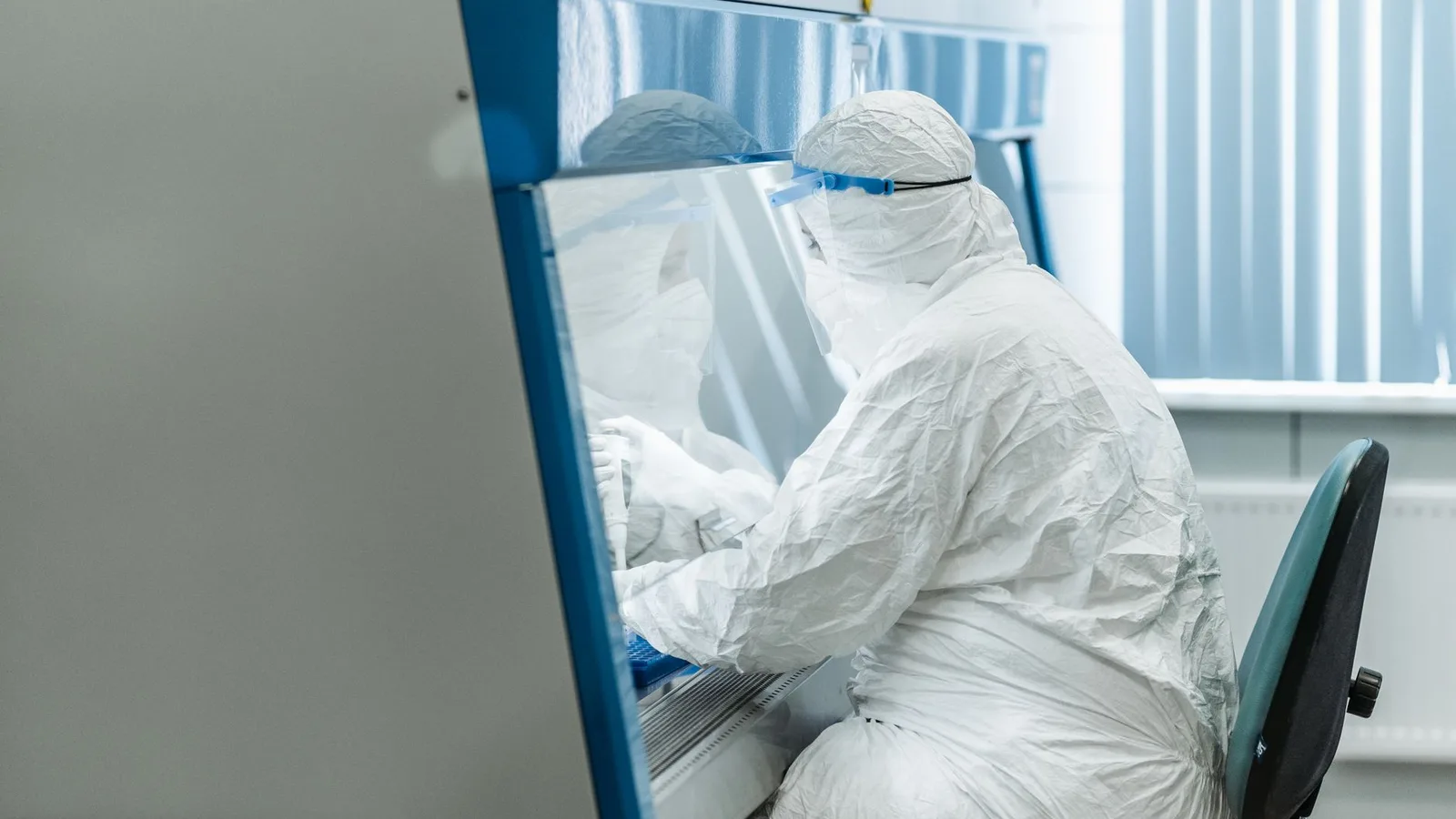
The Wiltshire site has conducted chemical and biological defence research since 1916.
The MKULTRA material on this site concerns the United States. Britain's equivalent question is Porton Down, and it is not a matter of allegation — it has been through a coroner's court.
The Wiltshire establishment has conducted chemical and biological defence research since 1916. Much of its work is exactly what it says: protective equipment, detection, medical countermeasures. Some of it was not.
Ronald Maddison
Leading Aircraftman Ronald Maddison, aged twenty, volunteered for what he understood to be research into the common cold. Servicemen were offered small payments and leave for taking part.
On 6 May 1953 liquid sarin — a nerve agent — was applied to cloth placed on his arm. He collapsed within minutes and died shortly afterwards.
An inquest was held in 1953. It sat in secret, and returned a verdict of misadventure.
The wider testing
Thousands of servicemen passed through Porton Down as volunteers over decades. Many have said they were not told what substances they were exposed to.
Filmed tests from the 1960s in which servicemen were given LSD are held in the archives and have been broadcast.
In 2008 the Ministry of Defence agreed a settlement of £3 million covering around 360 veterans, alongside an expression of regret. It was not an admission of liability.
Why the 2004 verdict differed
The two inquests into Ronald Maddison's death reached opposite conclusions on the same facts, and the reason is procedural.
The 1953 hearing was held in camera on national security grounds. Evidence about what the substance was and what was known about its effects was restricted. The family were present but the proceedings were closed.
The 2004 inquest, ordered after a long campaign and a High Court decision, sat in public with access to material that had since been declassified, and heard from surviving participants.
The jury found that Maddison had been unlawfully killed by the application of a nerve agent in a non-therapeutic experiment.
The open-air trials
Separately, and affecting the general public rather than servicemen: between the 1950s and the 1970s, substances were released into the open air over parts of Britain to study dispersal.
These included zinc cadmium sulphide as a tracer and bacteria selected as harmless simulants for biological agents, released over populated areas and along coastlines.
The trials were acknowledged in a government report published in 2002. The official position is that the materials were not expected to cause harm; families in affected areas have disputed that, and no comprehensive health study has settled it.
Join the discussion
Still open on this one:
- 01
How many servicemen were tested in total?
Figures in the thousands are commonly given from MoD records. A complete accounting has never been published, and veterans have pressed for one.
Be the first to comment
See also
Everything this piece touches
Sources
Open them and check for yourself. Where a record is public, it is linked.
The National Archives
The National Heritage List for England
Historic England
Related
Psychic Phenomena
The Nine: who — or what — were they?
On New Year’s Eve 1952, in a laboratory in Maine, a voice announced itself as one of nine. Over the next forty years it reached a credentialled scientist, a celebrity psychic, a bestselling book and the creator of Star Trek. This is what is documented, and what is not.
Psychic Phenomena
New Year’s Eve 1952: the first session with the Nine
The founding event of the whole Nine phenomenon happened in a Maine farmhouse on 31 December 1952. Here is what the record supports about that evening, and how much of the familiar account was written down much later.
Psychic Phenomena
D. G. Vinod: the man at the beginning of the Nine
Every version of the Nine story starts with Dr D. G. Vinod in a trance in Maine. He is also the person that story then almost entirely forgets. Why the first channel is the biggest hole in the record.
Psychic Phenomena
Andrija Puharich: the doctor who kept turning up
A qualified physician, an inventor with real patents, an army medical officer — and the constant in forty years of the strangest story in American parapsychology. Puharich is the reason the Nine keep touching institutions.
0 comments