

The MoD UFO desk: fifty-nine years of reports, and where they are now
Britain ran a government office that logged UFO reports from 1950 until 2009. It closed on the grounds that nothing it had ever received indicated a threat. The files are public, and most of them have never been read.
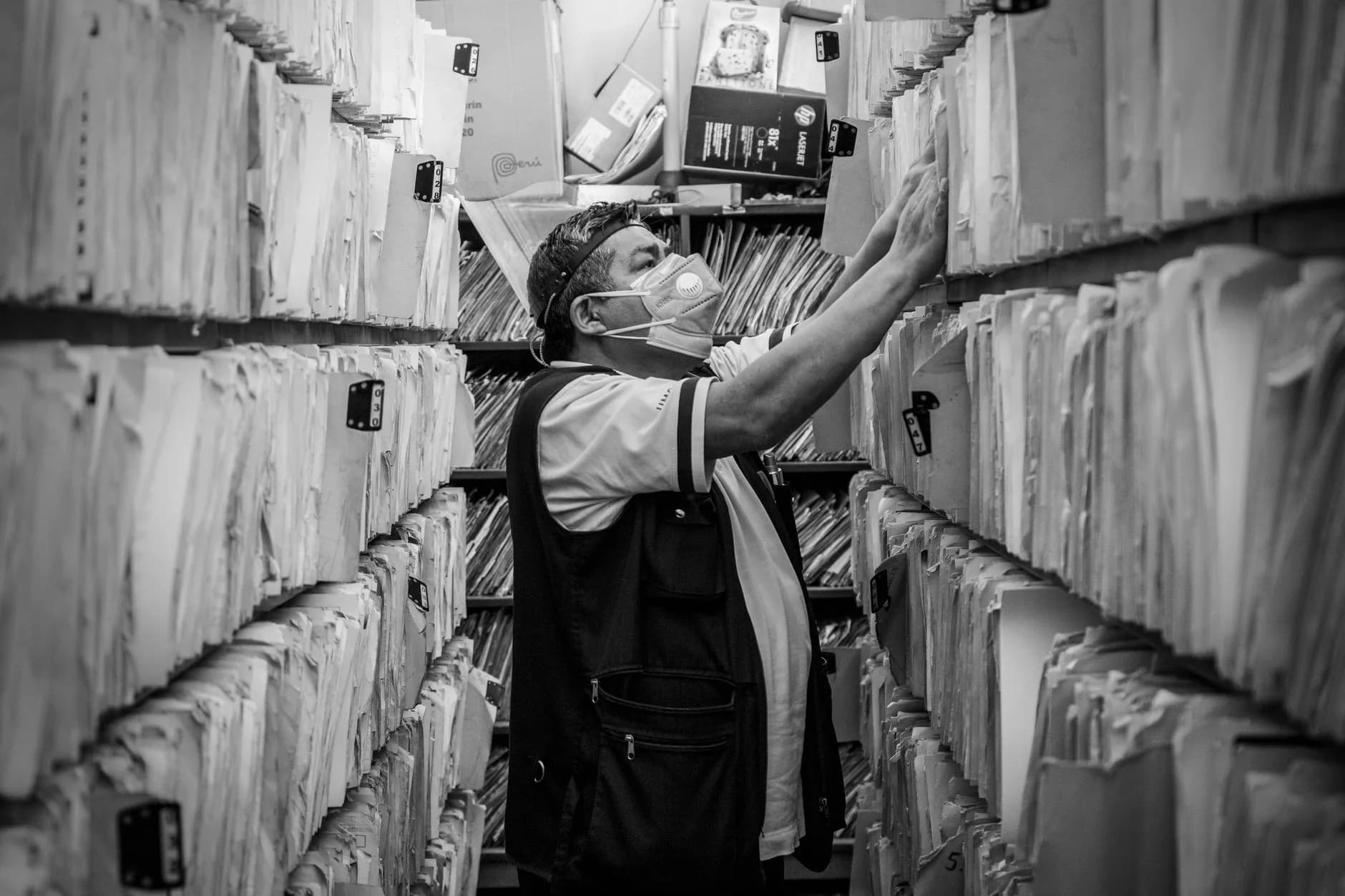
Photo by Luis F Rodríguez Jiménez on Pexels
From the early 1950s until 1 December 2009, the Ministry of Defence operated a desk that received and logged public reports of unidentified flying objects. It was never a research programme in the sense people imagine. It was a small administrative function with a narrow remit: establish whether a report indicated anything of defence significance, and if not, file it.
What it actually did
The desk received reports by letter and later by telephone and email, checked them against known air activity where that was practical, and closed the file. The volume was substantial — thousands of reports across the decades, with spikes in years like 1993 and 1996.
It did not investigate in the field. It did not have scientific staff. Where a case warranted more, it could refer to defence intelligence, which is what produced the Condign study.
What was claimed about it
Two opposite things, and both are overstated. That it was a serious investigative body whose closure indicates a cover-up; and that its existence proves official interest in extraterrestrial visitation.
The files themselves do not support either. What they show is a small office handling correspondence, occasionally with real interest, more often with weary courtesy, and periodically frustrated at being asked to account for things nobody had the means to investigate.
What is in the files
Reports, correspondence, internal minutes, press cuttings and occasional photographs. There is a great deal of ordinary material and there are files that repay serious attention — the 1980 Rendlesham correspondence, the 1990 Calvine handling, the 1993 assessments.
The releases began in 2008 and ran in tranches, and a large portion has been digitised and can be downloaded. It is free, it is catalogued, and it is searchable by year.
Why this is Britain’s real advantage
Because it turns claims into checkable ones. When someone says a British sighting was reported to the authorities in a given year, that is now a testable statement rather than an assertion.
Most of the holding has never been examined by researchers. Coverage concentrates on a handful of famous files, which means the useful work here — reading files nobody has read — is available to anyone with an internet connection and some patience.
Join the discussion
Still open on this one:
- 01
How much of the digitised holding has been systematically read?
Tens of thousands of pages, and coverage clusters on perhaps a dozen files. The rest is unexamined primary material sitting in the open.
Be the first to comment
Sources
Open them and check for yourself. Where a record is public, it is linked.
The National Archives
Unidentified Aerial Phenomena in the UK Air Defence Region (Project Condign)
UK Ministry of Defence, Defence Intelligence Staff · 1 Dec 2000 · no public copy located
Related
Consciousness
Terminal lucidity: when a destroyed brain briefly works again
People with advanced dementia sometimes become clear, coherent and recognisably themselves shortly before death. It is documented in the medical literature, it happens, and nobody can currently explain it.
Consciousness
Ian Stevenson: forty years collecting children who remember other lives
A university psychiatrist spent his career documenting cases of young children who described a previous life, and checking whether the person they described had existed. He assembled over two thousand. The methodology is the argument.
Near Death Experiences
Pam Reynolds: the most-cited near-death case, and what it turns on
In 1991 a woman undergoing brain surgery under extraordinary conditions reported observing the operation. The surgical circumstances were unusually well documented. Whether she was unconscious at the time she perceived what she described is the whole argument.
Near Death Experiences
Near-death experiences: what the clinical research has established
Millions of people report a consistent set of experiences during cardiac arrest. That consistency is a real finding. What it means is where the argument starts, and hospital studies have been running for thirty years.
0 comments