

Tehran, 1976: two interceptors and a documented weapons failure
Iranian F-4 Phantoms were scrambled over Tehran in September 1976. Both reported instrument and weapons problems as they closed. The US Defense Intelligence Agency report on it is public and unusually complimentary about the evidence.
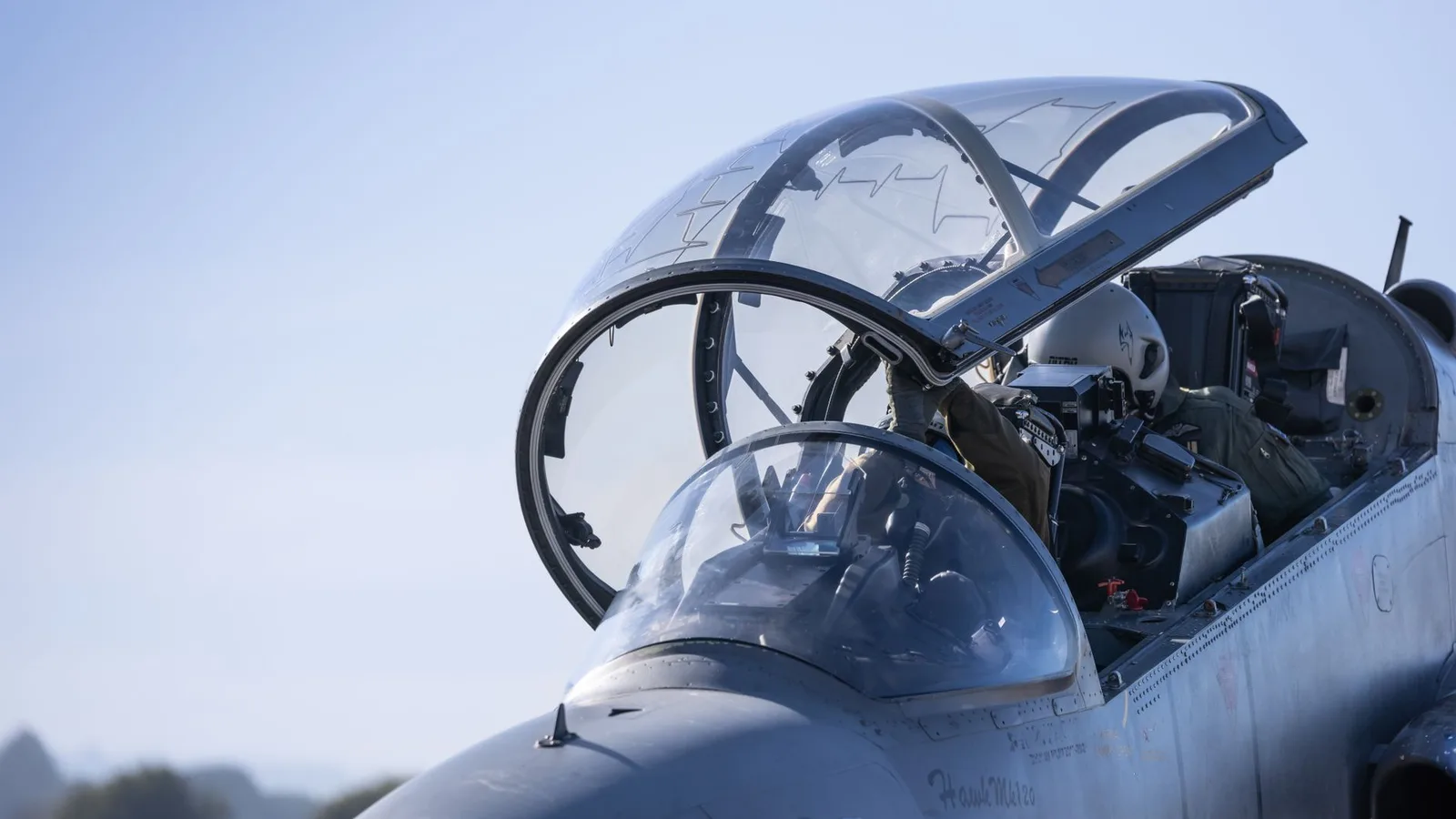
Two Imperial Iranian Air Force F-4 Phantoms were scrambled in the early hours of 19 September 1976.
In the early hours of 19 September 1976, after civilian reports of a bright object over Tehran, the Imperial Iranian Air Force scrambled an F-4 Phantom from Shahrokhi. What the crew reported, and what happened to a second aircraft sent after it, produced one of the few UFO documents a defence intelligence agency has ever written approvingly about.
What is documented
The first aircraft reported losing instrumentation and communications as it approached the object, recovering both when it turned away. A second Phantom was launched. Its crew reported a radar lock, and then — as it attempted to engage — a failure of the weapons control panel and comms at the moment of the attempt, again recovering on withdrawal.
The event is recorded in a US Defense Intelligence Agency report circulated shortly afterwards. That document is public, and its evaluation section is what makes the case unusual: it notes the report is of outstanding quality, involves multiple witnesses from different vantage points, and includes physical effects on aircraft systems.
What was claimed
That an unidentified object disabled the systems of two modern interceptors at will and outmanoeuvred both. In the strongest retellings the second aircraft attempted to fire and was prevented.
The conventional candidates
Astronomical misidentification has been argued in detail. Jupiter was prominent in the sky that night, and several elements of the pilots’ visual descriptions fit a bright celestial object seen from a manoeuvring aircraft — including the apparent inability to close on it, which is exactly what happens when you chase something effectively at infinity.
The equipment failures then need a separate account, and the F-4 of that era in Iranian service had known reliability issues. Two independent failures on two aircraft on one night is a coincidence, but coincidences occur, and the aircraft were being flown hard at night in a hurry.
Why it carries weight anyway
Because of who reported it. Military aircrew filing through the chain of command, with ground radar and civilian reports in the same window, and a foreign intelligence service documenting it contemporaneously. There is no commercial motive anywhere in it and no witness sought publicity.
It is also one of very few cases where a government document says, in its own words, that the report was of high quality — a phrase that has been overread for fifty years, but which is genuinely there and genuinely unusual.
Join the discussion
Still open on this one:
- 01
Do Iranian air force maintenance records for those airframes survive?
Two aircraft suffering systems failures on one night is either the heart of the case or a maintenance coincidence, and maintenance logs would distinguish them.
Be the first to comment
Sources
Open them and check for yourself. Where a record is public, it is linked.
Defense Intelligence Agency report on the 19 September 1976 Tehran incident
US Defense Intelligence Agency · 23 Sept 1976 · no public copy located
Project Blue Book: the complete case files
US National Archives and Records Administration
Related

Psychic Phenomena
The Nine: who — or what — were they?
On New Year’s Eve 1952, in a laboratory in Maine, a voice announced itself as one of nine. Over the next forty years it reached a credentialled scientist, a celebrity psychic, a bestselling book and the creator of Star Trek. This is what is documented, and what is not.
Psychic Phenomena
New Year’s Eve 1952: the first session with the Nine
The founding event of the whole Nine phenomenon happened in a Maine farmhouse on 31 December 1952. Here is what the record supports about that evening, and how much of the familiar account was written down much later.

Psychic Phenomena
D. G. Vinod: the man at the beginning of the Nine
Every version of the Nine story starts with Dr D. G. Vinod in a trance in Maine. He is also the person that story then almost entirely forgets. Why the first channel is the biggest hole in the record.

Psychic Phenomena
Andrija Puharich: the doctor who kept turning up
A qualified physician, an inventor with real patents, an army medical officer — and the constant in forty years of the strangest story in American parapsychology. Puharich is the reason the Nine keep touching institutions.
0 comments