

JAL 1628, 1986: a cargo captain, Alaskan radar, and an FAA investigation
A Japan Airlines 747 over Alaska reported being accompanied by objects for nearly fifty minutes. Ground radar showed something. The FAA investigated, concluded, and the investigator disagreed with his own agency in public.
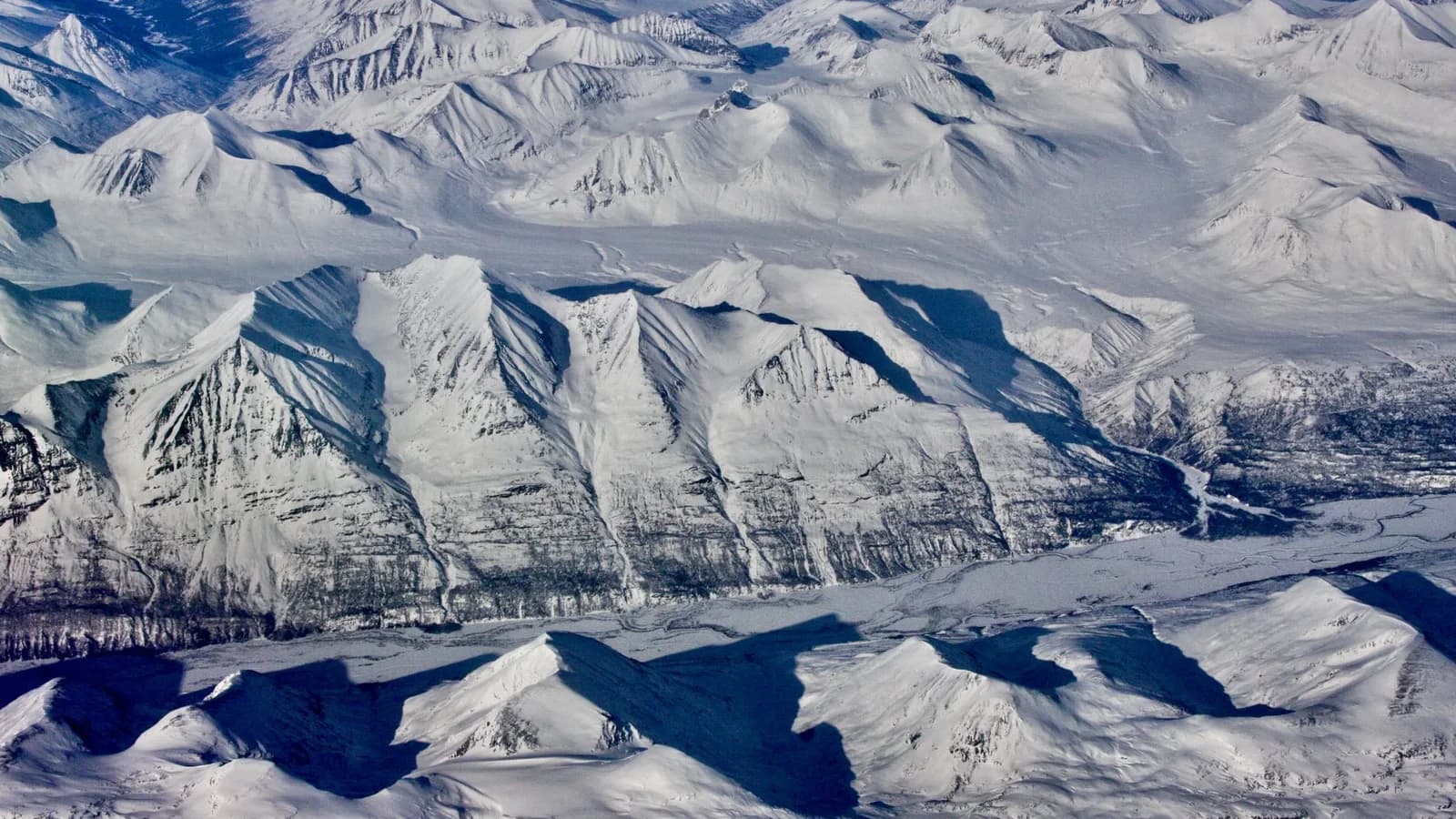
The encounter ran across Alaskan airspace on the evening of 17 November 1986.
On the evening of 17 November 1986, a Japan Airlines cargo 747 flying from Iceland to Anchorage reported objects keeping station with it over Alaska. The captain, Kenju Terauchi, described two smaller objects ahead of the aircraft and later a much larger one behind. The encounter lasted the better part of an hour.
What is documented
The crew reported it in real time to Anchorage air traffic control. The tapes of that exchange exist. Anchorage controllers reported an intermittent return near the aircraft, and a military radar facility was also queried during the event.
The Federal Aviation Administration investigated, and its records were released. The agency’s conclusion was that the radar returns were most likely a split return — an artefact in which one aircraft produces two blips — and that the visual reports could not be corroborated.
What was claimed
That three objects, one very large, accompanied a commercial aircraft for nearly fifty minutes and were tracked on radar while being observed by three crew members.
The conventional candidates
Jupiter and Mars were both prominent in that part of the sky and are the standard explanation for the earlier portion. A bright planet observed from a turning aircraft can appear to pace it, which is exactly the reported behaviour.
The split radar return is a real and well-understood artefact, and Anchorage’s equipment of the period was capable of producing it.
The large object behind the aircraft is the part these do not cover. Terauchi described it in terms no planetary misidentification explains, and it is also the part where a single witness’s interpretation carries the most weight — the first officer and flight engineer’s accounts were more restrained than the captain’s.
Why it stays interesting
Because of the tapes and the paperwork. Air traffic control audio recorded as it happened, an FAA file, and a named senior official who has spent decades saying publicly that the finding was wrong. That combination is rare.
It is also a case where the sceptical explanation is strong for most of the event and thin for one part of it — which is the most common shape a genuinely unresolved case takes, and the shape most often misreported as either fully explained or fully mysterious.
Join the discussion
Still open on this one:
- 01
Does the Anchorage radar data survive in raw form?
The split-return finding is testable against the original data rather than the summary. Whether the tapes were retained is not clear.
Be the first to comment
Sources
Open them and check for yourself. Where a record is public, it is linked.
Federal Aviation Administration records on JAL 1628
US Federal Aviation Administration · 5 Mar 1987 · no public copy located
Project Blue Book: the complete case files
US National Archives and Records Administration
Related

Psychic Phenomena
The Nine: who — or what — were they?
On New Year’s Eve 1952, in a laboratory in Maine, a voice announced itself as one of nine. Over the next forty years it reached a credentialled scientist, a celebrity psychic, a bestselling book and the creator of Star Trek. This is what is documented, and what is not.
Psychic Phenomena
New Year’s Eve 1952: the first session with the Nine
The founding event of the whole Nine phenomenon happened in a Maine farmhouse on 31 December 1952. Here is what the record supports about that evening, and how much of the familiar account was written down much later.
Psychic Phenomena
D. G. Vinod: the man at the beginning of the Nine
Every version of the Nine story starts with Dr D. G. Vinod in a trance in Maine. He is also the person that story then almost entirely forgets. Why the first channel is the biggest hole in the record.

Psychic Phenomena
Andrija Puharich: the doctor who kept turning up
A qualified physician, an inventor with real patents, an army medical officer — and the constant in forty years of the strangest story in American parapsychology. Puharich is the reason the Nine keep touching institutions.
0 comments