

J. Allen Hynek: the sceptic the Air Force hired, and lost
An astronomer paid to explain away sightings spent twenty years doing it, then concluded the residue was real. His classification system is still the vocabulary everyone uses, usually without knowing it.
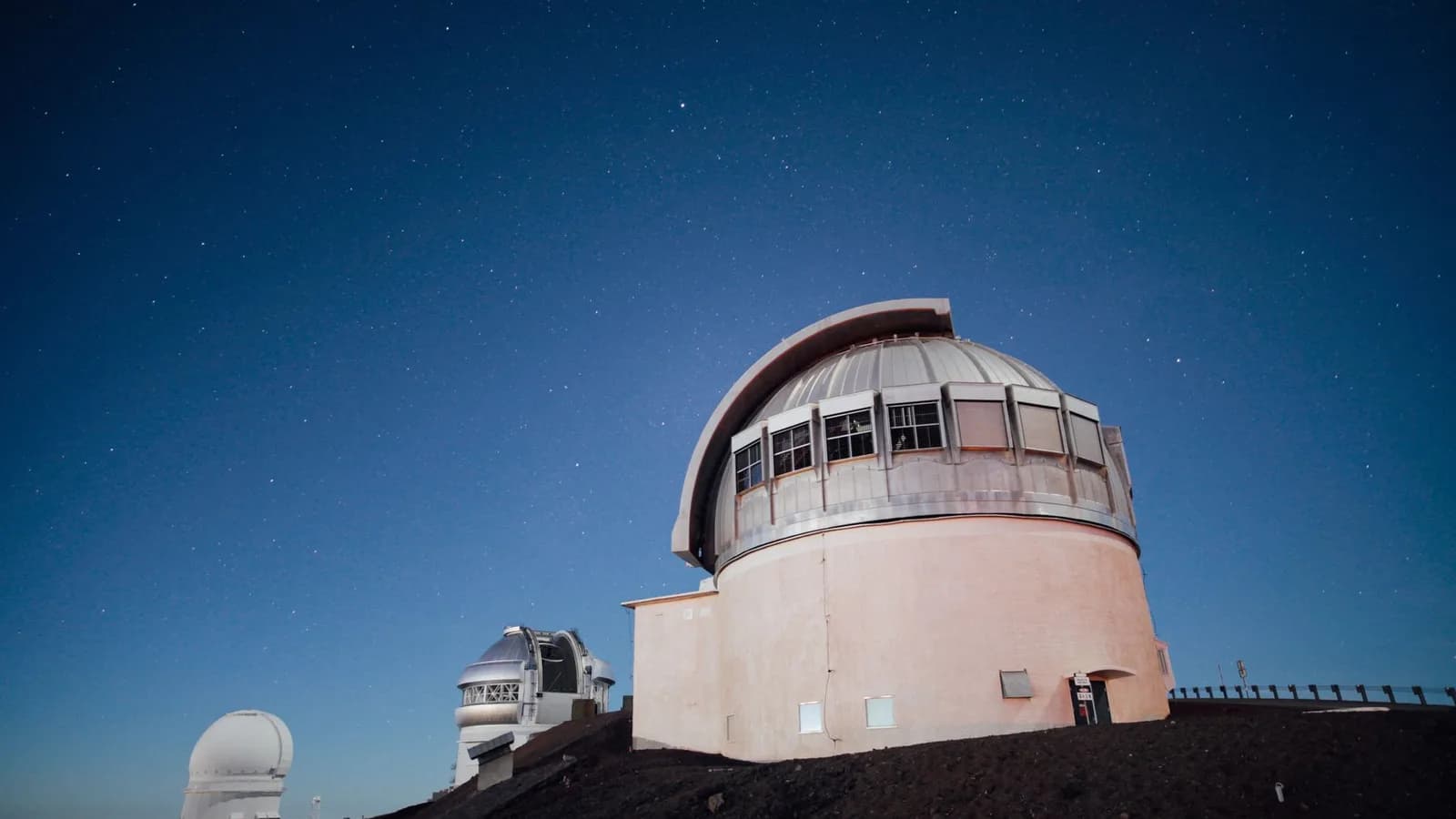
Hynek was a professional astronomer before, during and after his work for the Air Force.
Josef Allen Hynek was an astronomer at Ohio State when the US Air Force engaged him in 1948 as a scientific consultant on unidentified flying object reports. The job was straightforward: work out which sightings had astronomical explanations, so the Air Force could close them.
He did it for over twenty years, through Project Sign, Grudge and Blue Book. He was good at it and, by his own account, entered it expecting the whole subject to be nonsense.
What changed his mind
Not a single dramatic case. A residue.
Working through thousands of reports, most of which he explained without difficulty, he was left each year with a small number that resisted every candidate he had — and which came disproportionately from the witnesses least likely to be mistaken: pilots, police officers, engineers, other astronomers.
What moved him further was the handling. He came to regard the Air Force’s process as designed to produce closure rather than accuracy, and said so publicly after Blue Book ended — most sharply about cases like Levelland, where a conclusion was reached faster than the interviewing was done.
The classification
His lasting contribution is a vocabulary. Hynek sorted reports by observation type: nocturnal lights, daylight discs, radar-visual cases — and then, for reports at close range, three kinds of close encounter.
The first kind is a sighting at close range with no interaction. The second leaves a physical effect — marks on the ground, interference with a vehicle. The third involves an occupant or entity.
The scheme was designed to let reports be sorted without asserting anything about causes, and it is the reason the phrase "close encounter of the third kind" exists. Most people using it have no idea they are using an astronomer’s filing system.
What he actually concluded
This is routinely misstated. Hynek did not conclude that UFOs were alien spacecraft. He argued that a real and unexplained phenomenon existed in the residue, that it deserved scientific attention, and that the extraterrestrial hypothesis was one candidate among several — he grew increasingly interested in explanations that were stranger than spacecraft, not less strange.
Why he matters to this site
Because his position is the one we keep arriving at independently. Most reports have ordinary explanations. A minority do not. The ones that do not are disproportionately from good observers. And the institutional response has usually been shaped by the need for an answer rather than by the evidence.
He founded the Center for UFO Studies in 1973 to do the work he thought Blue Book should have done. Its archive is a serious research resource and is still under-used.
Join the discussion
Still open on this one:
- 01
How large was the unexplained residue, consistently measured?
Blue Book’s own figure was 701 of 12,618. Hynek argued the real number was higher because cases were closed on thin grounds. Re-scoring the files against a fixed standard would settle it and has never been done.
Be the first to comment
See also
Everything this piece touches
Sources
Open them and check for yourself. Where a record is public, it is linked.
The UFO Experience: A Scientific Inquiry
J. Allen Hynek, Henry Regnery · 1 Jan 1972 · no public copy located
Project Blue Book: the complete case files
US National Archives and Records Administration
Scientific Study of Unidentified Flying Objects (the Condon Report)
University of Colorado, full text at the National Capital Area Skeptics · 1 Jan 1968
Related
Psychic Phenomena
The Nine: who — or what — were they?
On New Year’s Eve 1952, in a laboratory in Maine, a voice announced itself as one of nine. Over the next forty years it reached a credentialled scientist, a celebrity psychic, a bestselling book and the creator of Star Trek. This is what is documented, and what is not.
Psychic Phenomena
New Year’s Eve 1952: the first session with the Nine
The founding event of the whole Nine phenomenon happened in a Maine farmhouse on 31 December 1952. Here is what the record supports about that evening, and how much of the familiar account was written down much later.
Psychic Phenomena
D. G. Vinod: the man at the beginning of the Nine
Every version of the Nine story starts with Dr D. G. Vinod in a trance in Maine. He is also the person that story then almost entirely forgets. Why the first channel is the biggest hole in the record.

Psychic Phenomena
Andrija Puharich: the doctor who kept turning up
A qualified physician, an inventor with real patents, an army medical officer — and the constant in forty years of the strangest story in American parapsychology. Puharich is the reason the Nine keep touching institutions.
0 comments