

The Cosford incident, March 1993: the night the MoD took it seriously
Hundreds of reports across Britain over two nights, including from RAF personnel on duty. The internal assessment written afterwards is one of the more remarkable documents in the UK file — and part of the wave has a clean explanation.
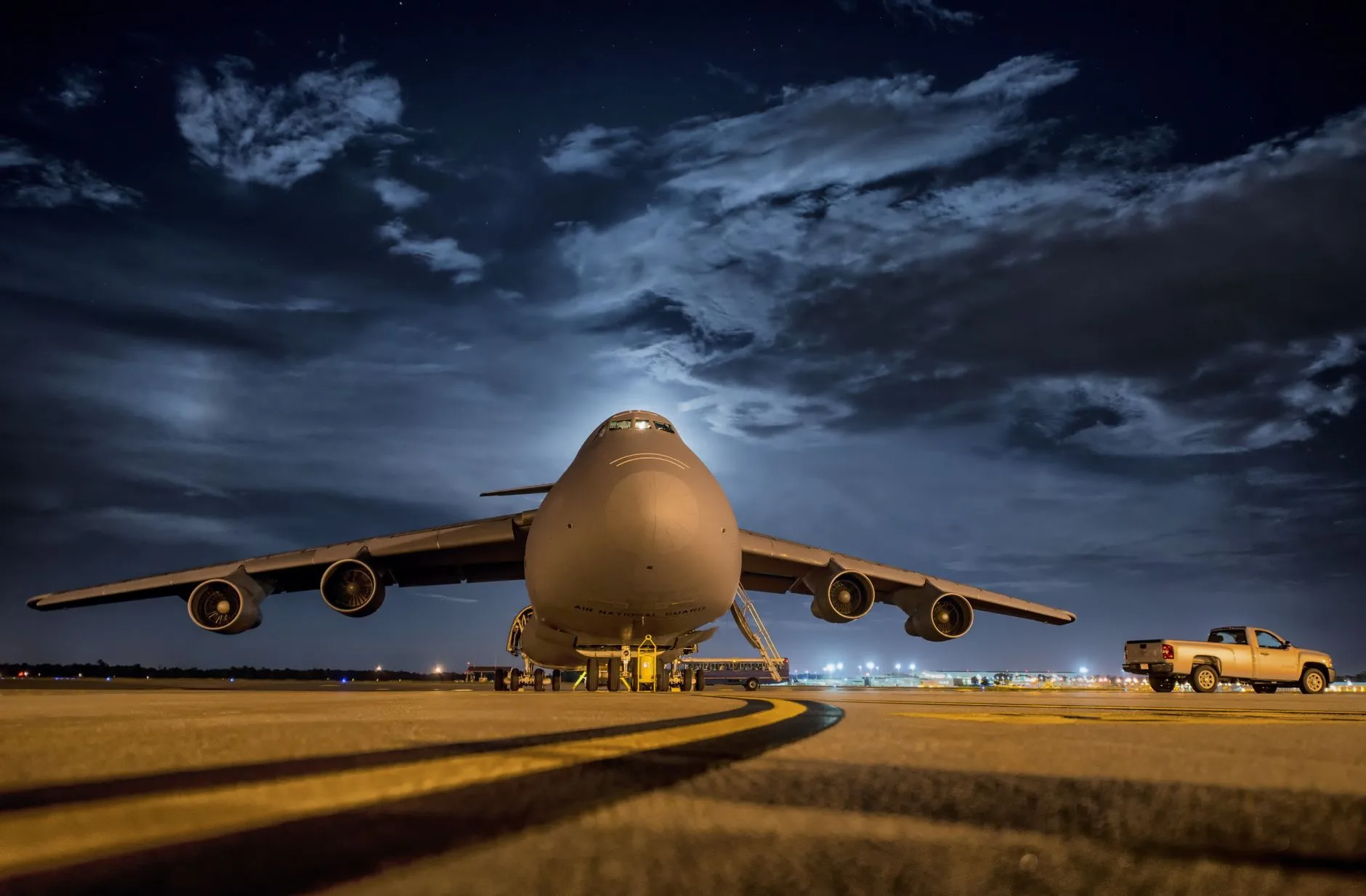
Photo by Pixabay on Pexels
Over the nights of 30 and 31 March 1993 the Ministry of Defence received an unusual volume of reports of unidentified objects over Britain. What lifts this above an ordinary flap is who some of the witnesses were: RAF personnel on duty at stations including Cosford and Shawbury, reporting in writing through official channels.
What is documented
A large number of civilian reports, and service reports made through the chain of command. A meteorological officer at RAF Shawbury described a large craft moving slowly across the area, at low altitude, emitting a beam of light towards the ground, before departing at speed.
The MoD’s internal assessment, later released, treated the reports as significant enough to warrant explicit discussion — the department noted that if the reports were accurate, something had operated in UK airspace without authorisation and without being identified.
The explanation for part of it
A substantial share of the sightings on those nights has a straightforward cause. A Russian rocket body re-entered the atmosphere over Britain in the early hours, and re-entries produce exactly what was widely described: a slow, silent train of bright fragments crossing the sky over a wide area, seen by many people at once.
This accounts convincingly for the mass of public reports. It is important to say so, because the case is often presented as though every report that night were inexplicable.
What it does not explain
The service reports. A re-entry is a distant, high-altitude event lasting a minute or two. The Shawbury account describes a large object at low level, close enough to judge size and structure, present for far longer, and directing a beam of light at the ground.
Those two descriptions are not variations of the same thing. Either the observer badly misjudged a re-entry, which is possible but would be a striking error from a trained meteorological observer, or something else was present.
What remains unexplained
The low-level reports from RAF personnel, which have never been resolved. The wave as a whole is largely explained; its most credible witnesses are not.
That is a common shape in this subject and it is worth naming: an explanation that covers ninety per cent of reports is often taken to cover the remaining ten, and the remaining ten are usually the ones from people who knew what they were looking at.
Join the discussion
Still open on this one:
- 01
Was any authorised aircraft operating at low level over Shropshire that night?
The MoD said no. Confirming that independently from flight records would either close the case or make it much stronger.
Be the first to comment
See also
Everything this piece touches
Sources
Open them and check for yourself. Where a record is public, it is linked.
The National Archives
Unidentified Aerial Phenomena in the UK Air Defence Region (Project Condign)
UK Ministry of Defence, Defence Intelligence Staff · 1 Dec 2000 · no public copy located
Related
Consciousness
Terminal lucidity: when a destroyed brain briefly works again
People with advanced dementia sometimes become clear, coherent and recognisably themselves shortly before death. It is documented in the medical literature, it happens, and nobody can currently explain it.
Consciousness
Ian Stevenson: forty years collecting children who remember other lives
A university psychiatrist spent his career documenting cases of young children who described a previous life, and checking whether the person they described had existed. He assembled over two thousand. The methodology is the argument.
Near Death Experiences
Pam Reynolds: the most-cited near-death case, and what it turns on
In 1991 a woman undergoing brain surgery under extraordinary conditions reported observing the operation. The surgical circumstances were unusually well documented. Whether she was unconscious at the time she perceived what she described is the whole argument.
Near Death Experiences
Near-death experiences: what the clinical research has established
Millions of people report a consistent set of experiences during cardiac arrest. That consistency is a real finding. What it means is where the argument starts, and hospital studies have been running for thirty years.
0 comments