

The Belgian wave, 1989–90: an F-16 radar lock and a confessed hoax
For eighteen months Belgium reported large silent triangles, and the air force cooperated openly with civilian investigators. The photograph everyone remembers was admitted a fake in 2011. The radar night was not.
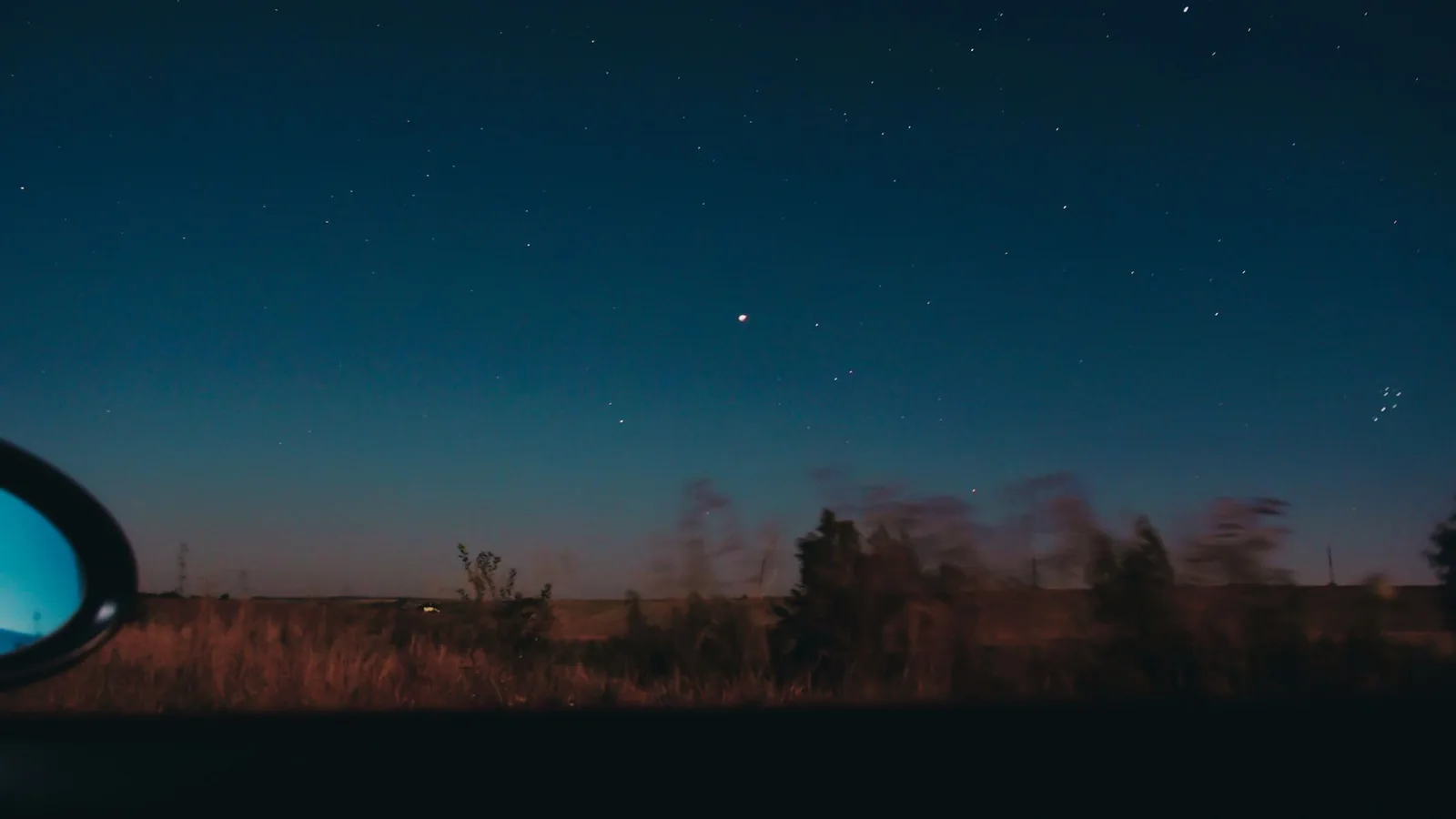
Reports ran across Belgium from November 1989 into 1990.
From November 1989, Belgium experienced a sustained wave of reports describing large, slow, silent triangular objects with lights at the corners. It ran for about eighteen months, produced thousands of accounts, and was investigated with a degree of official openness that has no real parallel.
What is documented
The Belgian Air Force cooperated with SOBEPS, a civilian research group, rather than dismissing or absorbing the investigation. Senior officers gave interviews and released data. That relationship is the genuinely unusual feature of the case.
On the night of 30–31 March 1990, following ground radar contacts and police reports, two F-16s were scrambled. The aircraft achieved radar locks on targets that, according to the released data, performed accelerations and descents outside the envelope of known aircraft. The pilots made no visual contact.
The photograph, and why it matters
The image most people associate with the wave — a dark triangle with three corner lights and a central glow, taken at Petit-Rechain — was admitted to be a fake in 2011 by the man who made it. He described the technique: a piece of polystyrene, painted, with lights, photographed.
That confession is not disputed. It should be stated plainly wherever the image appears, and it frequently is not.
The radar night, examined
The F-16 data has been reanalysed since, and the conventional reading is that the locks were on electronic interference or ground returns, with the extreme accelerations being artefacts of the radar attempting to track a false target rather than measurements of a real object’s motion.
This is a serious argument and it accounts for the absence of visual contact — the pilots saw nothing because there was nothing to see. The counter-argument is that ground radar and multiple witnesses reported something in the same window.
What was probably happening in the wave
A large share of the sightings are consistent with aircraft — including, some have argued, unfamiliar aircraft operating at low level — seen at night by people primed by heavy media coverage to interpret three lights as one large object. The triangle shape follows naturally from three lights in formation.
That accounts for most of it. It does not obviously account for the reports of size, silence and slowness that recur, and the honest summary is a mostly explained wave with a residue nobody has closed.
Join the discussion
Still open on this one:
- 01
Has the F-16 radar data been independently reanalysed and published?
The interference explanation is widely asserted. A published technical reanalysis of the released plots would settle the strongest element of the case.
Be the first to comment
Sources
Open them and check for yourself. Where a record is public, it is linked.
Vague d’OVNI sur la Belgique
SOBEPS (Société Belge d’Étude des Phénomènes Spatiaux) · 1 Jan 1991 · no public copy located
Scientific Study of Unidentified Flying Objects (the Condon Report)
University of Colorado, full text at the National Capital Area Skeptics · 1 Jan 1968
Related

Psychic Phenomena
The Nine: who — or what — were they?
On New Year’s Eve 1952, in a laboratory in Maine, a voice announced itself as one of nine. Over the next forty years it reached a credentialled scientist, a celebrity psychic, a bestselling book and the creator of Star Trek. This is what is documented, and what is not.
Psychic Phenomena
New Year’s Eve 1952: the first session with the Nine
The founding event of the whole Nine phenomenon happened in a Maine farmhouse on 31 December 1952. Here is what the record supports about that evening, and how much of the familiar account was written down much later.

Psychic Phenomena
D. G. Vinod: the man at the beginning of the Nine
Every version of the Nine story starts with Dr D. G. Vinod in a trance in Maine. He is also the person that story then almost entirely forgets. Why the first channel is the biggest hole in the record.

Psychic Phenomena
Andrija Puharich: the doctor who kept turning up
A qualified physician, an inventor with real patents, an army medical officer — and the constant in forty years of the strangest story in American parapsychology. Puharich is the reason the Nine keep touching institutions.
0 comments