

Wormholes: real physics, no known route to building one
Wormholes are solutions to Einstein's equations, taken seriously in physics journals. They also require a substance nobody has ever made more than a trace of, and they break causality if they work.
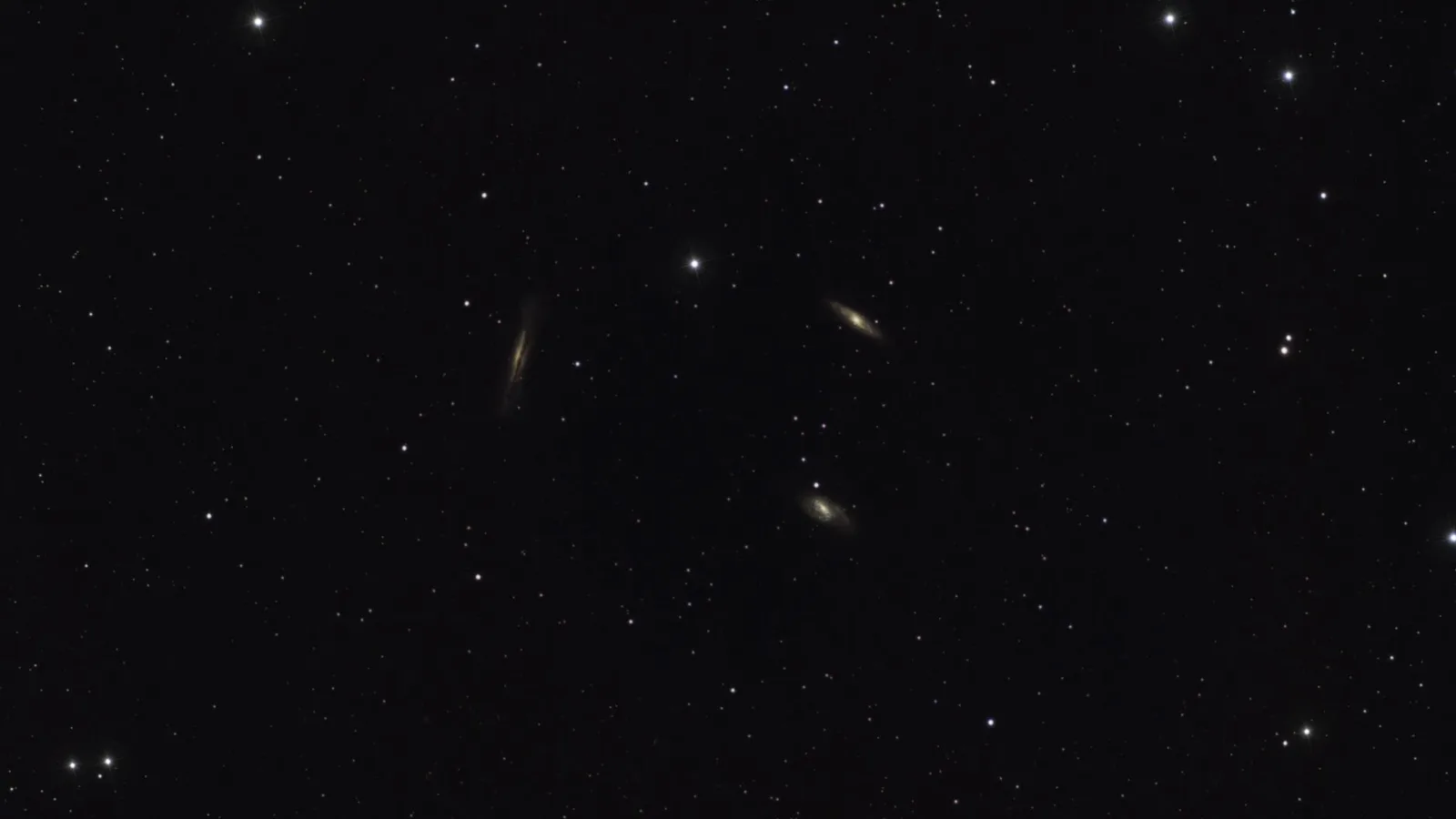
Wormhole solutions arise from general relativity but require matter with properties never observed in bulk.
A wormhole is a topological shortcut — a connection between two separated regions of spacetime, shorter through the connection than through ordinary space.
It is not science fiction borrowed by physics. It is physics that fiction borrowed, and the distinction is worth setting out because it cuts both ways.
Where the idea comes from
Einstein and Nathan Rosen described a bridge structure in 1935 as a feature of the field equations. The Einstein-Rosen bridge is a genuine solution and it is not traversable — it pinches off faster than anything could cross it.
The modern treatment dates from 1988, when Michael Morris and Kip Thorne published a paper on traversable wormholes.
The prompt was unusual. Carl Sagan, writing the novel Contact, asked Thorne whether there was a physically defensible way to move a character across the galaxy. Thorne and his student worked the problem, found the conditions a traversable wormhole would require, and published them.
The exotic matter problem
Negative energy density is not entirely hypothetical. The Casimir effect — two uncharged conducting plates placed very close together experience an attraction arising from the quantum vacuum between them — involves a region of negative energy density relative to the surrounding vacuum. It has been measured.
The quantities are microscopic. The amounts required to hold open a wormhole large enough to pass through are, on current estimates, comparable to the mass-energy of astronomical objects, in negative form, arranged stably.
There is no known physical process that produces this. Not a difficult engineering problem — an absence of any mechanism.
Where the negative energy limits come from
Quantum field theory does not forbid negative energy density outright. It constrains it, through results known as quantum energy inequalities.
These say, roughly, that a region of negative energy must be compensated by positive energy nearby, and that the more negative energy you want, the more briefly and the more locally you can have it.
The constraint bites hard on wormholes. Holding a throat open requires the negative energy to persist in a fixed region, which is precisely the configuration the inequalities restrict.
The causality problem
This one is arguably worse.
If a traversable wormhole exists and one mouth is moved relative to the other, relativistic time dilation makes the two ends disagree about when it is. Passing through then places you in your own past, which permits closed timelike curves.
That is not a paradox to be waved at; it is a structural problem that any working wormhole appears to create. Hawking's chronology protection conjecture proposes that the laws of physics prevent this, possibly by vacuum fluctuations destroying the wormhole as it forms. The conjecture is unproven.
Join the discussion
Still open on this one:
- 01
Is chronology protection provable?
It is currently a conjecture. Establishing it would rule out traversable wormholes outright; failing to would leave a genuine unresolved conflict at the heart of the theory.
Be the first to comment
Sources
Open them and check for yourself. Where a record is public, it is linked.
NASA
Related
Psychic Phenomena
The Nine: who — or what — were they?
On New Year’s Eve 1952, in a laboratory in Maine, a voice announced itself as one of nine. Over the next forty years it reached a credentialled scientist, a celebrity psychic, a bestselling book and the creator of Star Trek. This is what is documented, and what is not.
Psychic Phenomena
New Year’s Eve 1952: the first session with the Nine
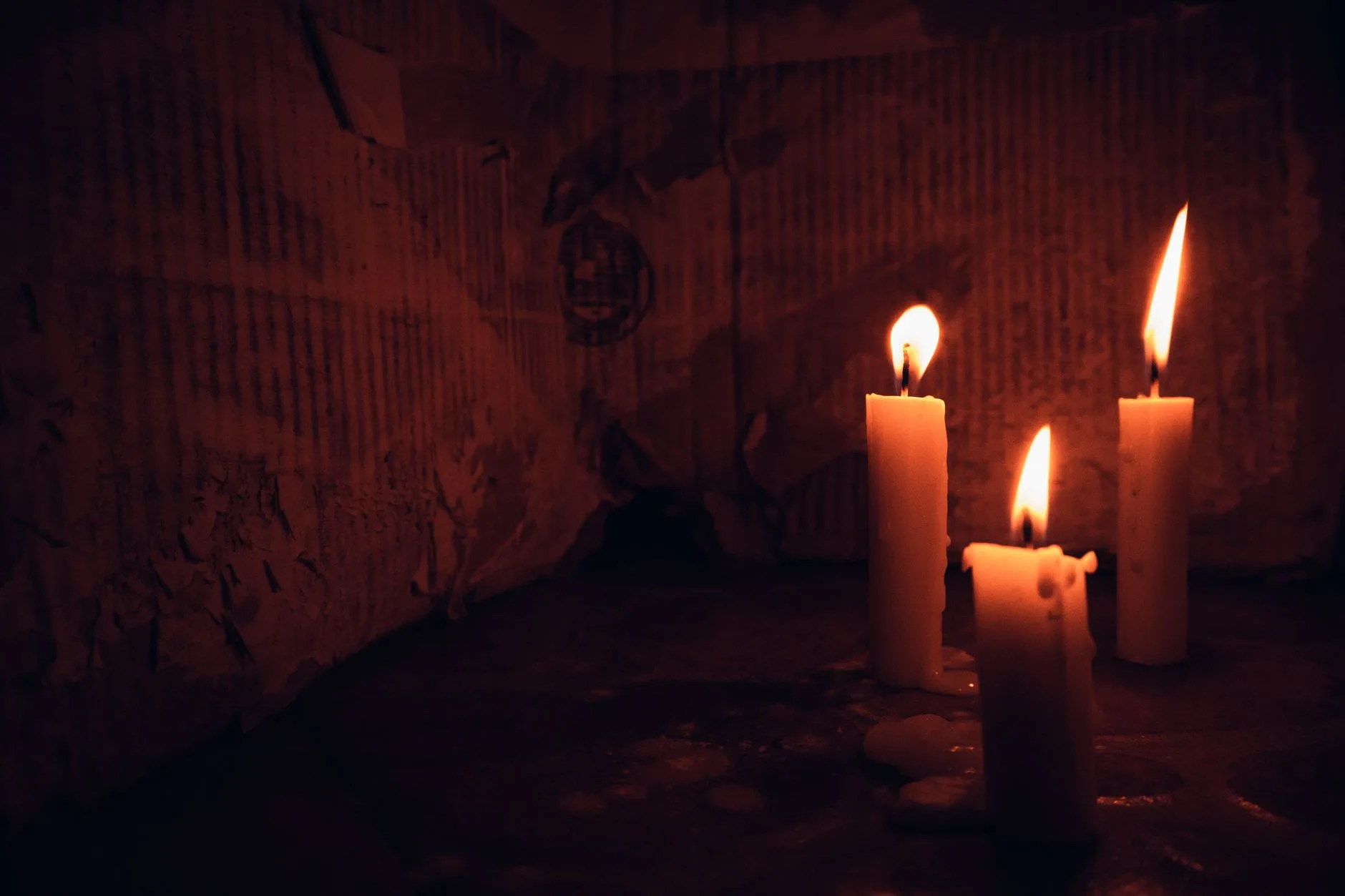
The founding event of the whole Nine phenomenon happened in a Maine farmhouse on 31 December 1952. Here is what the record supports about that evening, and how much of the familiar account was written down much later.
Psychic Phenomena
D. G. Vinod: the man at the beginning of the Nine
Every version of the Nine story starts with Dr D. G. Vinod in a trance in Maine. He is also the person that story then almost entirely forgets. Why the first channel is the biggest hole in the record.

Psychic Phenomena
Andrija Puharich: the doctor who kept turning up
A qualified physician, an inventor with real patents, an army medical officer — and the constant in forty years of the strangest story in American parapsychology. Puharich is the reason the Nine keep touching institutions.
0 comments