

The ocean moons: where life is actually most likely
The best places to look for life beyond Earth are not planets. They are moons of Jupiter and Saturn with liquid water under ice — and one of them is spraying its ocean into space.
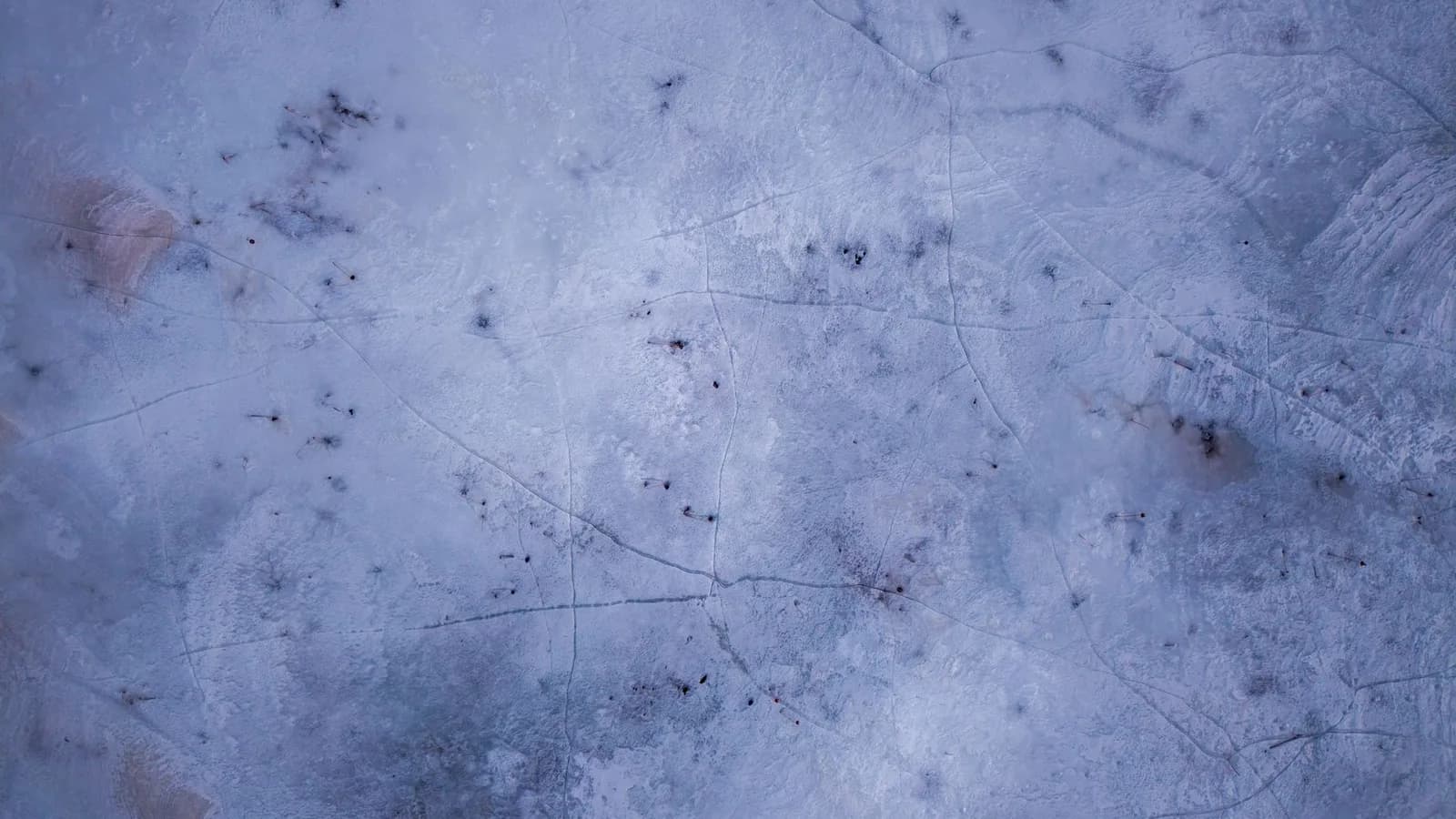
Europa’s surface is water ice, fractured and resurfaced, with an ocean beneath it.
If life exists elsewhere in the solar system, the consensus is that it is not on Mars. It is under the ice of a moon.
Three are worth knowing about, and they are interesting for different reasons.
Europa
A moon of Jupiter, slightly smaller than ours, with a surface of water ice that is strikingly young — few craters, heavily fractured, evidently resurfaced.
Beneath it, on the strength of magnetic field measurements from Galileo, is a salty liquid ocean, possibly containing more water than all of Earth’s oceans combined. It stays liquid because Jupiter’s tides flex the moon and the friction generates heat.
That matters because it means an energy source independent of sunlight — which is the condition that supports entire ecosystems at hydrothermal vents on Earth.
Enceladus
Much smaller, orbiting Saturn, and the most remarkable object in the list — because it does the sampling for you.
Cassini discovered plumes erupting from fractures near its south pole, throwing material from the subsurface ocean into space. The spacecraft flew through them.
What it found: water, salts, silica particles indicating hot water interacting with rock, methane, molecular hydrogen, and complex organic molecules. The hydrogen is particularly significant, because on Earth it feeds microbial metabolism at vents.
A spacecraft has already flown through the ocean spray of another world and analysed it. That is worth sitting with.
Titan
The strangest of the three. Saturn’s largest moon has a thick nitrogen atmosphere, weather, rivers, lakes and seas — of liquid methane and ethane, at around minus 180 Celsius.
It also probably has a water ocean deep beneath the surface. So it offers two possible environments: a conventional subsurface ocean, and a surface chemistry unlike anything on Earth, where any biology would have to work on entirely different principles.
What is actually happening about it
Europa Clipper launched in October 2024 and will make repeated close passes of Europa to characterise the ice, the ocean and the chemistry. Dragonfly, a rotorcraft designed to fly between sites on Titan, is in development.
This is the part of the search for life that is neither speculative nor stalled. Instruments are en route.
Join the discussion
Still open on this one:
- 01
Could a mission detect life in an Enceladus plume?
Cassini was not designed to. An instrument built for the purpose, flying the same trajectory, is a well-defined mission that has not been funded.
Be the first to comment
Sources
Open them and check for yourself. Where a record is public, it is linked.
NASA
NASA Jet Propulsion Laboratory
Related
Psychic Phenomena
The Nine: who — or what — were they?
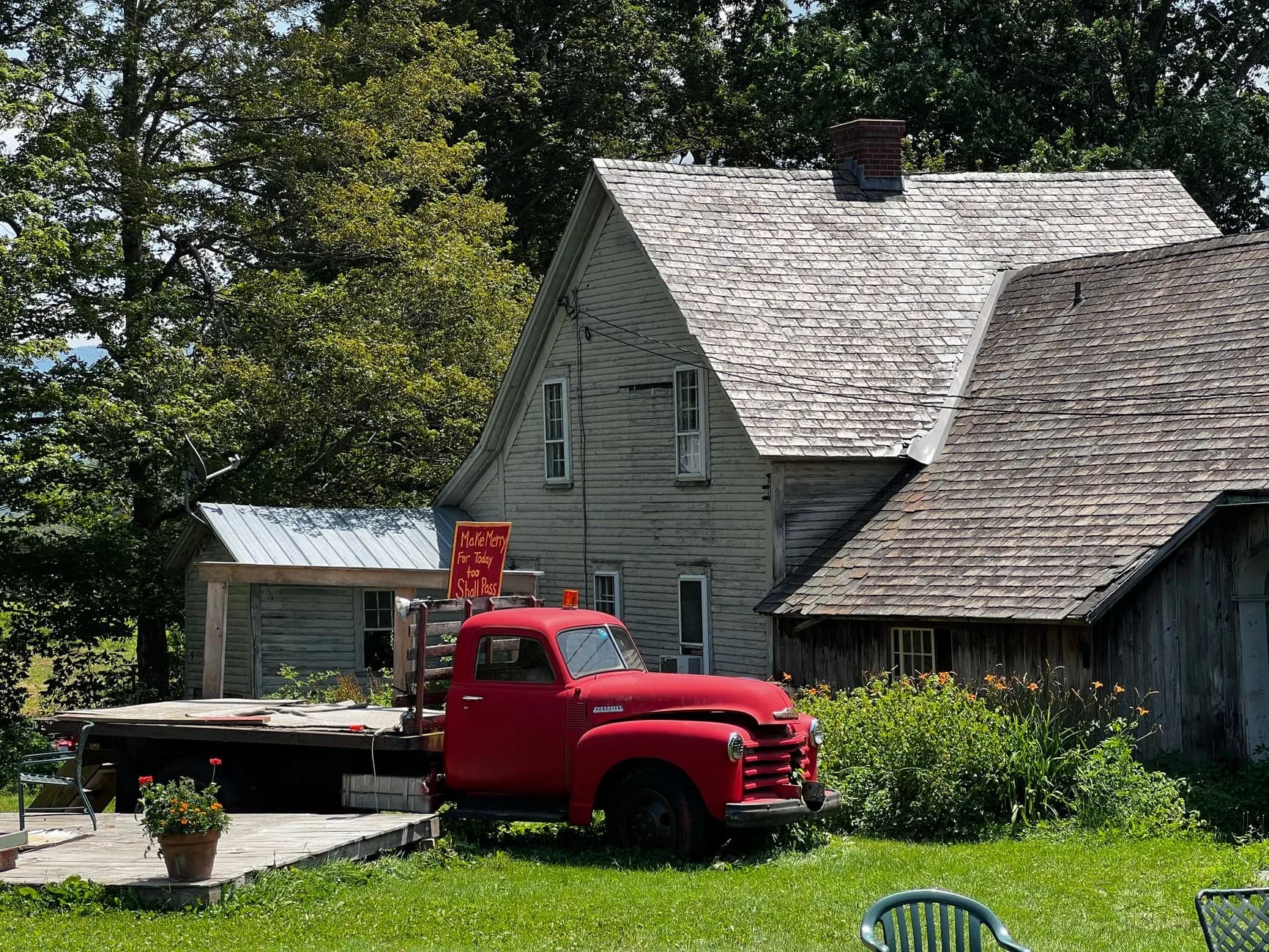
On New Year’s Eve 1952, in a laboratory in Maine, a voice announced itself as one of nine. Over the next forty years it reached a credentialled scientist, a celebrity psychic, a bestselling book and the creator of Star Trek. This is what is documented, and what is not.
Psychic Phenomena
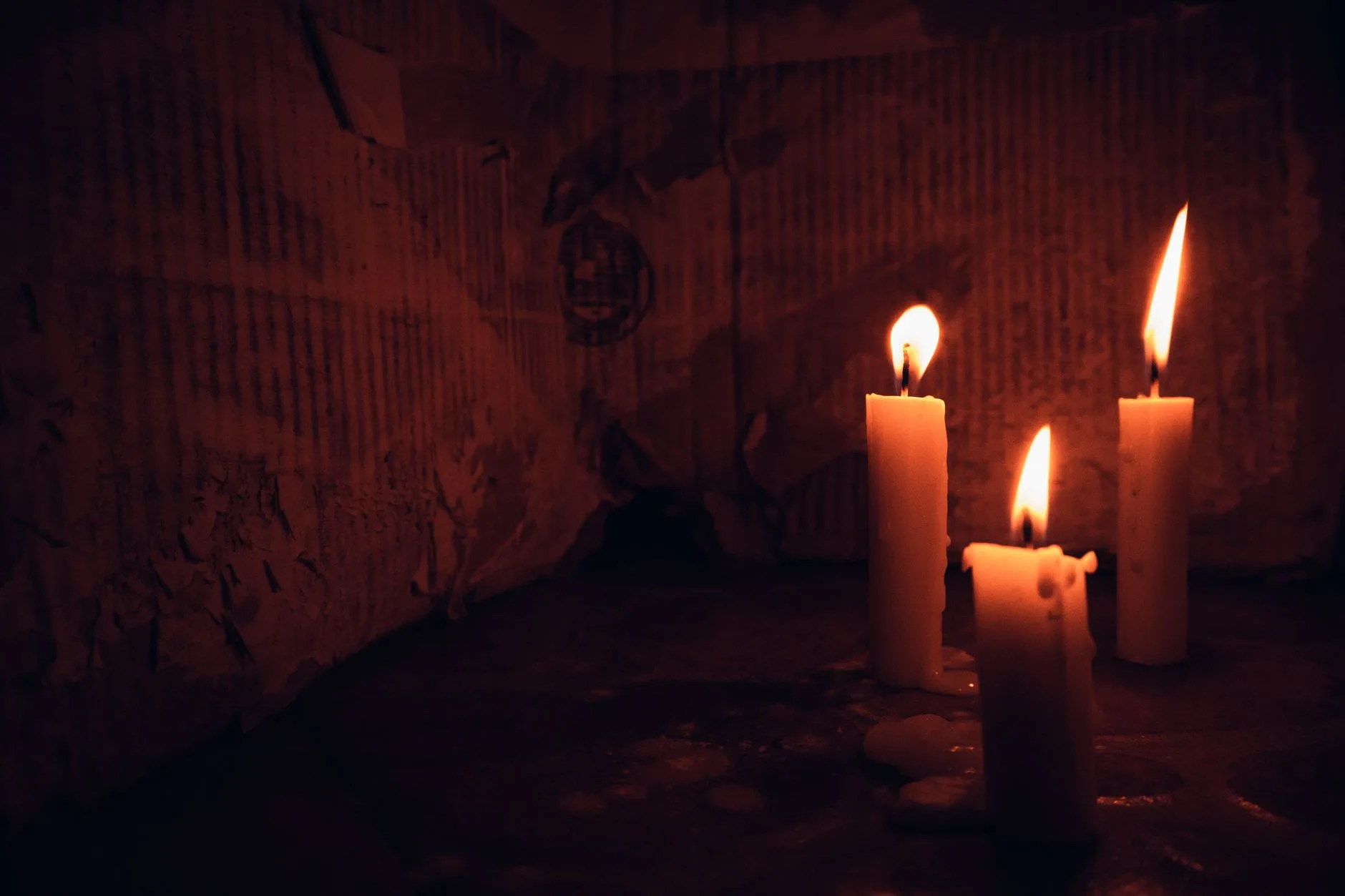
New Year’s Eve 1952: the first session with the Nine
The founding event of the whole Nine phenomenon happened in a Maine farmhouse on 31 December 1952. Here is what the record supports about that evening, and how much of the familiar account was written down much later.

Psychic Phenomena
D. G. Vinod: the man at the beginning of the Nine
Every version of the Nine story starts with Dr D. G. Vinod in a trance in Maine. He is also the person that story then almost entirely forgets. Why the first channel is the biggest hole in the record.

Psychic Phenomena
Andrija Puharich: the doctor who kept turning up
A qualified physician, an inventor with real patents, an army medical officer — and the constant in forty years of the strangest story in American parapsychology. Puharich is the reason the Nine keep touching institutions.
0 comments