

Whitey Bulger and the LSD experiments at Atlanta penitentiary
Before he ran South Boston, James Bulger spent eighteen months as a test subject in a CIA-funded drug study he was told was research into schizophrenia. He wrote about it for the rest of his life.
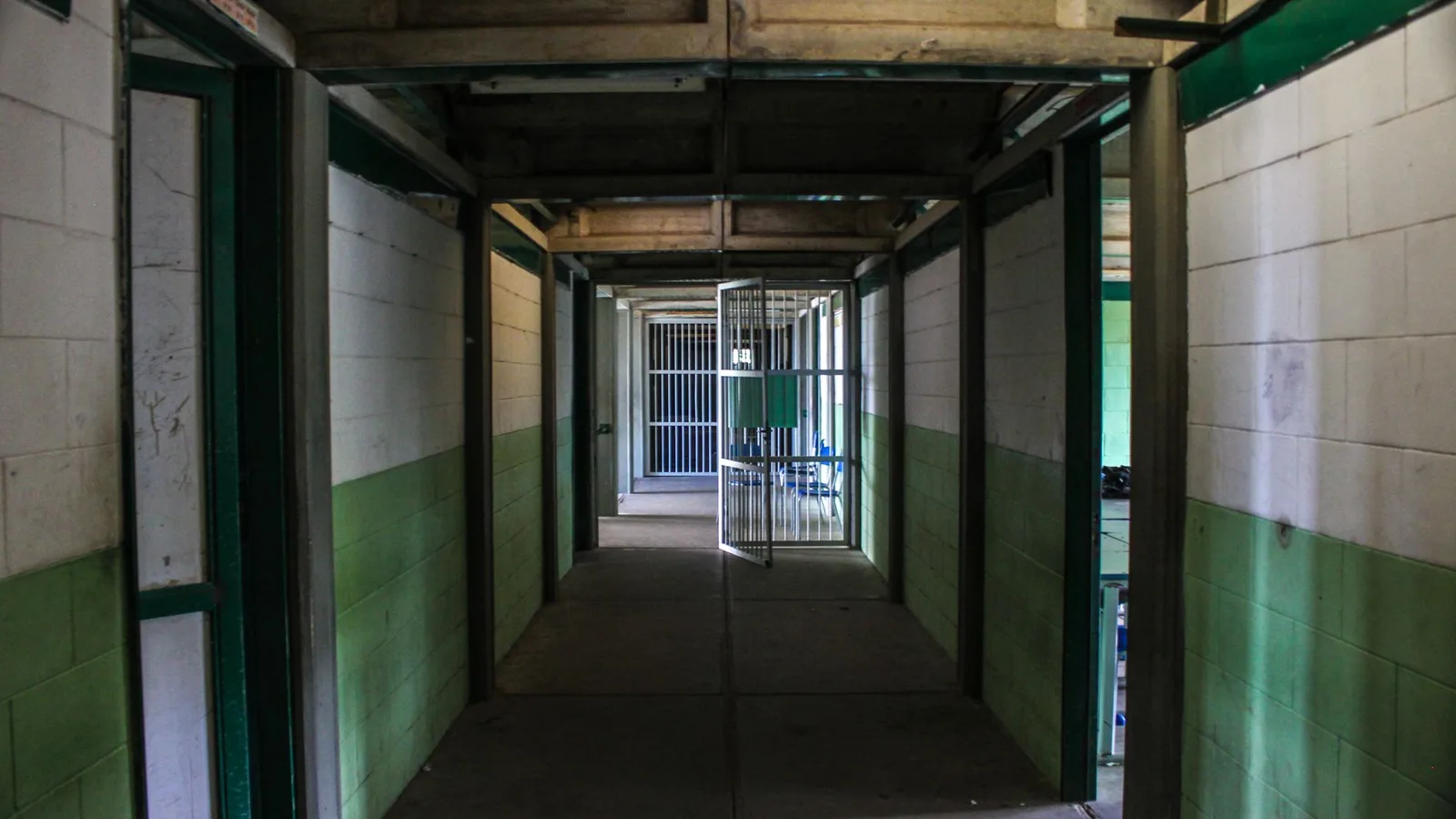
The sessions were held in a secure room in the basement of the prison hospital at Atlanta.
James "Whitey" Bulger is remembered for two decades of murder in South Boston and for an FBI relationship that protected him throughout. The part of his life that belongs on this site happened much earlier, in a prison hospital basement in Georgia.
In 1957, serving time for bank robbery at the federal penitentiary in Atlanta, Bulger volunteered for a medical study. He was told it was research towards a cure for schizophrenia, and that taking part might help his sentence.
What is documented
The study was run by Dr Carl Pfeiffer of Emory University. Prisoners were locked in a secure room in the basement of the prison hospital and given LSD-25. Bulger later described sessions running from Tuesday morning to Wednesday morning, repeated weekly, over about eighteen months — perhaps fifty doses in total.
In 1977, during the congressional investigations that followed the exposure of MKULTRA, Pfeiffer was identified as one of the researchers who had conducted behavioural experiments under CIA funding. He had administered LSD to inmates at Atlanta and at the Bordentown Reformatory in New Jersey.
What Bulger said
He wrote about it repeatedly in letters from prison in his final years. He described hallucinations during the sessions and lasting damage afterwards: violent nightmares, and an inability to sleep more than an hour or two at a time, which he traced directly to 1957.
He also recorded the questions. Alongside the physical monitoring, the researchers asked things that had no bearing on schizophrenia — including, in Bulger's account, whether he would ever kill anyone.
That detail is the one worth pausing on. It suggests the study was not measuring what the subjects had been told it was measuring.
What the agency was trying to learn
Not, on the surviving evidence, how to build a killer. The prisoner drug work sits inside a narrower and more practical set of questions the CIA was asking in the 1950s.
Could a drug make an unwilling person talk. Could it produce amnesia, so that an interrogation could be conducted and forgotten. Could it be used to discredit a target by making them appear unstable. And, defensively, could an adversary do any of this to an American officer — which is where the whole programme began.
Prisons were used because prisoners were available, cheap, unable to leave, and unlikely to be believed. That is the reason, and it is not more complicated than that.
What it cost him, and what he did with it
Bulger came to believe the experiments had damaged him permanently, and he said so in the context of a life he otherwise showed little inclination to explain.
A juror from his 2013 trial has said publicly that learning about the LSD tests afterwards changed how she viewed the case, and that she regretted her verdict on one count. That is a real consequence of a real experiment, arriving fifty-six years later.
It does not excuse what he did. It is a fact about what was done to him first, by a government, without his knowledge, and it belongs in the record alongside the rest.
Join the discussion
Still open on this one:
- 01
Which MKULTRA subproject funded the Atlanta work?
Pfeiffer's CIA funding is established. The specific subproject number and its stated objective would show whether the aim was interrogation research or something broader.
- 02
How many prisoners took part, and what became of them?
Bulger is known because he became famous. The others are not, and no follow-up study of the Atlanta cohort appears to exist.
Be the first to comment
Sources
Open them and check for yourself. Where a record is public, it is linked.
Church Committee reports on intelligence activities
US Senate Select Committee to Study Governmental Operations · 26 Apr 1976 · no public copy located
Surviving MKULTRA records
CIA Records Search Tool (CREST), Central Intelligence Agency · no public copy located
George Washington University
Related
Psychic Phenomena
The Nine: who — or what — were they?
On New Year’s Eve 1952, in a laboratory in Maine, a voice announced itself as one of nine. Over the next forty years it reached a credentialled scientist, a celebrity psychic, a bestselling book and the creator of Star Trek. This is what is documented, and what is not.
Psychic Phenomena
New Year’s Eve 1952: the first session with the Nine
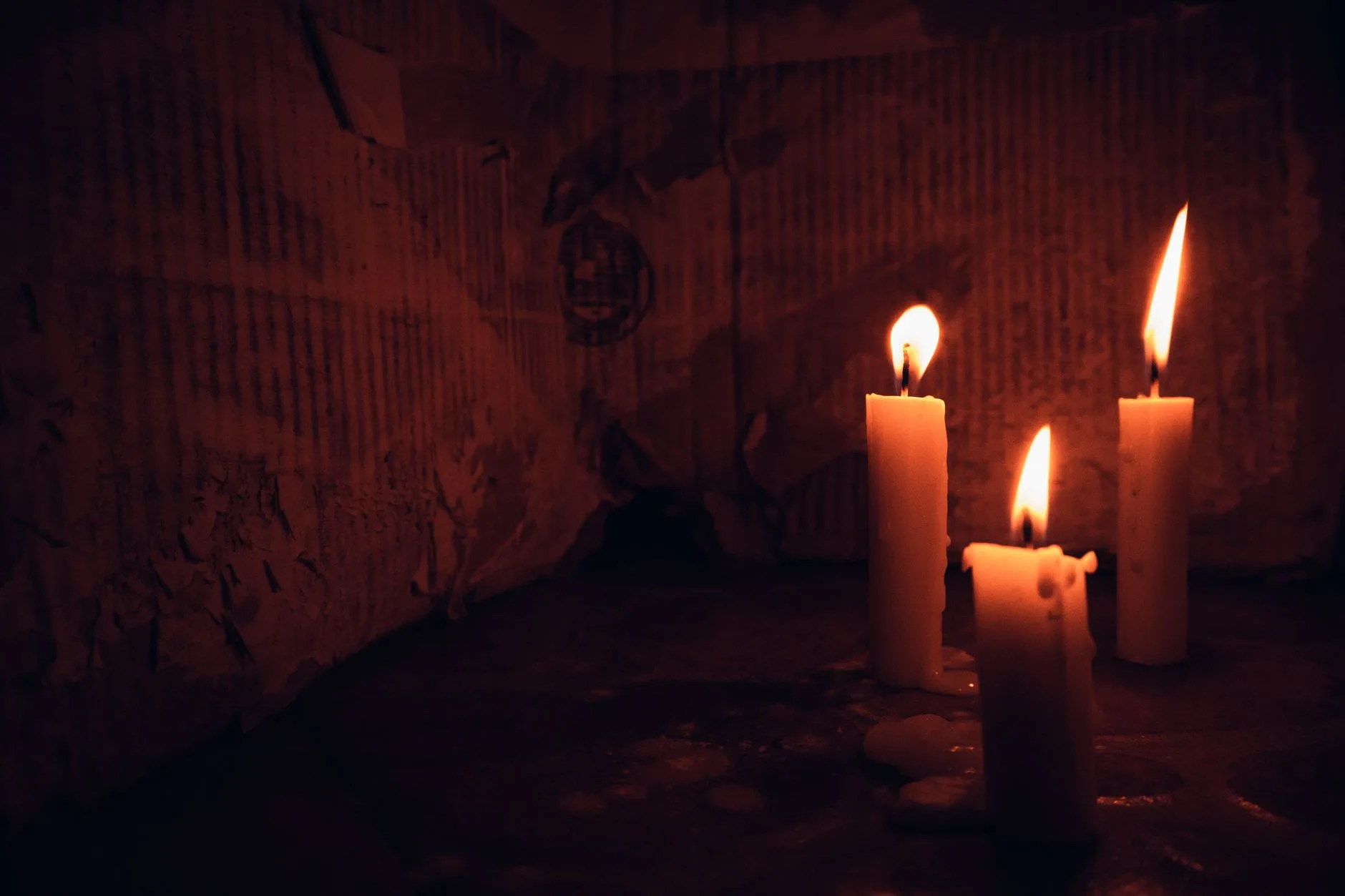
The founding event of the whole Nine phenomenon happened in a Maine farmhouse on 31 December 1952. Here is what the record supports about that evening, and how much of the familiar account was written down much later.
Psychic Phenomena
D. G. Vinod: the man at the beginning of the Nine
Every version of the Nine story starts with Dr D. G. Vinod in a trance in Maine. He is also the person that story then almost entirely forgets. Why the first channel is the biggest hole in the record.

Psychic Phenomena
Andrija Puharich: the doctor who kept turning up
A qualified physician, an inventor with real patents, an army medical officer — and the constant in forty years of the strangest story in American parapsychology. Puharich is the reason the Nine keep touching institutions.
0 comments