

Whitey Bulger and the FBI: the second arrangement
The same man dosed with LSD in a federal prison spent the following decades as a protected FBI informant while committing murders. Both facts are established, and the second is stranger than the first.
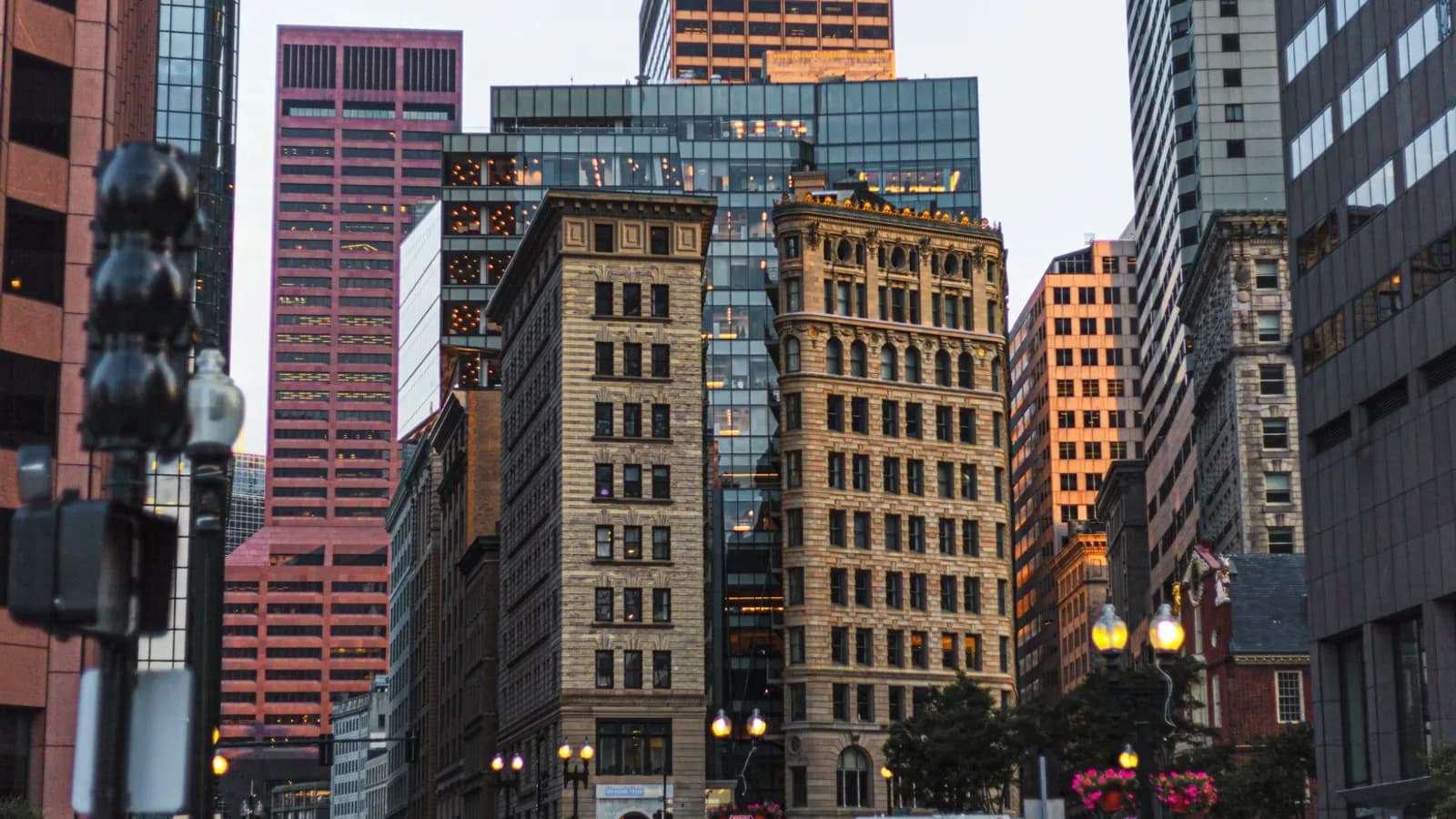
Bulger ran the Winter Hill Gang in South Boston while listed as an FBI informant.
James "Whitey" Bulger was given LSD weekly for around eighteen months at the federal penitentiary in Atlanta from 1957, in experiments run by Carl Pfeiffer of Emory University with CIA funding. He had been told it was research towards a treatment for schizophrenia.
That is covered elsewhere on this site. What happened afterwards is documented in a different set of records entirely — court files rather than intelligence archives — and it is worth setting out, because the two together describe a man who was used by the federal government twice.
What is documented
Bulger was released in 1965 and became a leading figure in organised crime in South Boston, eventually heading the Winter Hill Gang.
In 1975 he was recruited as an FBI informant by Special Agent John Connolly, who had grown up in the same neighbourhood. The relationship ran for the better part of two decades.
During it, the Boston field office protected him. Investigations were obstructed. Rival criminals were prosecuted using his information while his own operation continued. People who might have testified against him were identified to him.
How it ended
Bulger was tipped off in late 1994 that indictment was coming and disappeared. He spent sixteen years as a fugitive, much of it in an apartment in Santa Monica, and was placed on the FBI’s Ten Most Wanted list.
He was arrested in June 2011. In August 2013 he was convicted on thirty-one counts, including participation in eleven murders, and sentenced to two life terms.
John Connolly was convicted of racketeering in 2002 and later, in Florida, of second-degree murder in connection with a killing carried out on information he supplied.
Bulger was killed in October 2018 at a federal prison in West Virginia, within hours of being transferred there.
What the two arrangements have in common
In both, an arm of the federal government used him and gave nothing back that he had agreed to.
In Atlanta he consented to medical research and was given a hallucinogen for a purpose he was not told. In Boston he was an asset whose protection cost the lives of people the same agency existed to protect.
What the Wolf hearings established
The 1998 hearings before Judge Mark Wolf ran for months and produced findings that go beyond one corrupt agent.
They established that the Boston office had maintained the relationship over years with supervisory knowledge, that information had passed to Bulger about investigations and informants, and that prosecutions had been shaped around protecting the source.
Subsequent litigation established the consequences. Federal courts awarded damages to the families of people killed as a result, and men wrongly imprisoned for a murder committed by an FBI informant were awarded substantial compensation after decades inside.
The one detail that stays
In his letters Bulger recorded being asked, while dosed, whether he would ever kill anyone.
That question has no bearing on schizophrenia research, which is what he had consented to. It is a single line in a prisoner’s recollection written half a century after the fact, and it should be weighed as that. It is also the only surviving indication of what anyone in that room was actually interested in.
Join the discussion
Still open on this one:
- 01
Which subproject funded the Atlanta work?
Pfeiffer’s CIA funding is established. The subproject number and its stated objective would show whether the aim was therapeutic research or interrogation, and that document has not surfaced.
- 02
How many prisoners were in the Atlanta programme?
Bulger described a group of volunteers. No roster has been published, and the other participants have never been identified or compensated.
Be the first to comment
Sources
Open them and check for yourself. Where a record is public, it is linked.
George Washington University
Church Committee reports on intelligence activities
US Senate Select Committee to Study Governmental Operations · 26 Apr 1976 · no public copy located
Surviving MKULTRA records
CIA Records Search Tool (CREST), Central Intelligence Agency · no public copy located
US National Archives catalogue
NARA
Related
Psychic Phenomena
The Nine: who — or what — were they?
On New Year’s Eve 1952, in a laboratory in Maine, a voice announced itself as one of nine. Over the next forty years it reached a credentialled scientist, a celebrity psychic, a bestselling book and the creator of Star Trek. This is what is documented, and what is not.
Psychic Phenomena
New Year’s Eve 1952: the first session with the Nine
The founding event of the whole Nine phenomenon happened in a Maine farmhouse on 31 December 1952. Here is what the record supports about that evening, and how much of the familiar account was written down much later.
Psychic Phenomena
D. G. Vinod: the man at the beginning of the Nine
Every version of the Nine story starts with Dr D. G. Vinod in a trance in Maine. He is also the person that story then almost entirely forgets. Why the first channel is the biggest hole in the record.

Psychic Phenomena
Andrija Puharich: the doctor who kept turning up
A qualified physician, an inventor with real patents, an army medical officer — and the constant in forty years of the strangest story in American parapsychology. Puharich is the reason the Nine keep touching institutions.
0 comments