

Project Azorian: the ship built to steal a submarine
The CIA built a 60,000-tonne vessel, disguised it as deep-sea mining, and used it to lift part of a sunken Soviet submarine from five kilometres down. It also gave the world the phrase "neither confirm nor deny".
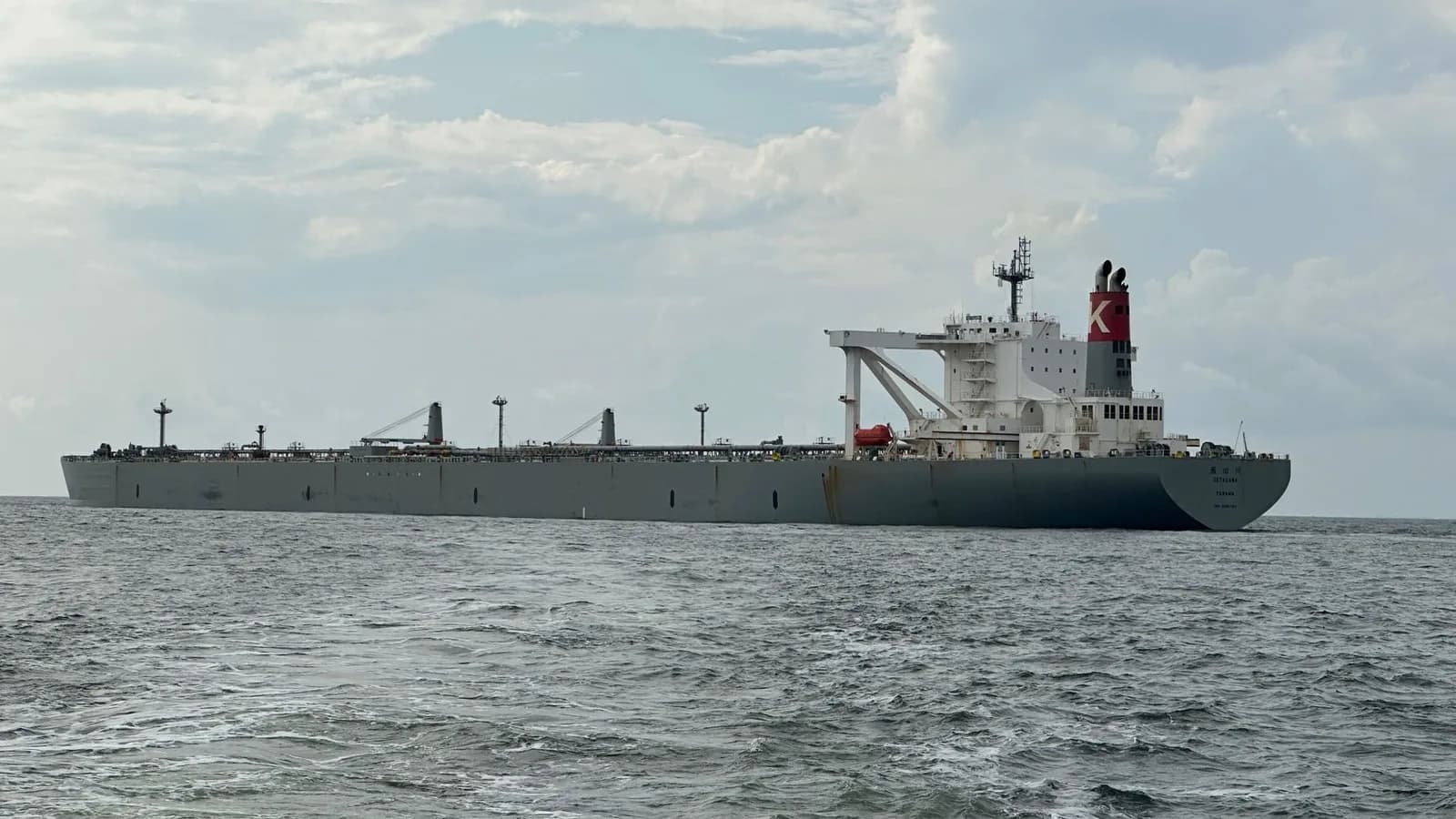
The Hughes Glomar Explorer was purpose-built and publicly presented as a manganese nodule mining ship.
Documented, and among the most audacious operations of the Cold War. In 1968 a Soviet ballistic missile submarine, K-129, sank in the Pacific. The Soviets searched and failed to find it. American acoustic surveillance had recorded the event and could locate it.
It lay under about five kilometres of water. The CIA decided to lift it.
The cover
A recovery vessel of that capability could not be built quietly, so the programme built it loudly and explained it as something else.
Howard Hughes lent his name and reputation. The Hughes Glomar Explorer was launched publicly as a ship for mining manganese nodules from the deep ocean floor — a speculative industry that was attracting genuine interest at the time, which is what made the cover work.
The ship was real, the engineering was real, and the mining company was not.
What happened
The recovery attempt took place in 1974. A giant claw was lowered, gripped the hull and began to lift.
Part of the submarine broke away during the ascent and fell back. What was recovered is officially described as a portion of the vessel, and what it contained has never been fully disclosed. The remains of Soviet sailors were recovered and buried at sea, with the ceremony filmed — footage handed to Russia in 1992.
The Glomar response
The operation’s most durable legacy is a phrase. When journalists filed records requests after the story leaked in 1975, the CIA replied that it could neither confirm nor deny the existence of the records requested.
That formulation was novel. It was challenged in court and upheld, and it has been standard in American public records law ever since — the Glomar response, named after this ship.
Why it belongs in this section
Because it is the strongest available answer to "they could never keep that quiet". A programme costing hundreds of millions, employing thousands, involving a purpose-built ship the world could see, held its cover for six years — and then failed through a burglary at a Hughes office and subsequent press reporting.
It is simultaneously the best evidence that large secrets can be kept and a demonstration of how they end: not through disclosure, but through an unrelated accident.
Join the discussion
Still open on this one:
- 01
How much of K-129 was actually recovered?
Accounts range from a small forward section to considerably more. The released history is redacted at exactly this point.
Be the first to comment
Sources
Open them and check for yourself. Where a record is public, it is linked.
George Washington University
US National Archives and Records Administration
NARA
Related
Psychic Phenomena
The Nine: who — or what — were they?
On New Year’s Eve 1952, in a laboratory in Maine, a voice announced itself as one of nine. Over the next forty years it reached a credentialled scientist, a celebrity psychic, a bestselling book and the creator of Star Trek. This is what is documented, and what is not.
Psychic Phenomena
New Year’s Eve 1952: the first session with the Nine
The founding event of the whole Nine phenomenon happened in a Maine farmhouse on 31 December 1952. Here is what the record supports about that evening, and how much of the familiar account was written down much later.
Psychic Phenomena
D. G. Vinod: the man at the beginning of the Nine
Every version of the Nine story starts with Dr D. G. Vinod in a trance in Maine. He is also the person that story then almost entirely forgets. Why the first channel is the biggest hole in the record.
Psychic Phenomena
Andrija Puharich: the doctor who kept turning up
A qualified physician, an inventor with real patents, an army medical officer — and the constant in forty years of the strangest story in American parapsychology. Puharich is the reason the Nine keep touching institutions.
0 comments