

Operation CHAOS: the programme that broke the story open
The CIA is barred by law from domestic security work. For seven years it ran a domestic surveillance programme anyway — and it was the exposure of that, not of MKULTRA, that forced everything else into the open.
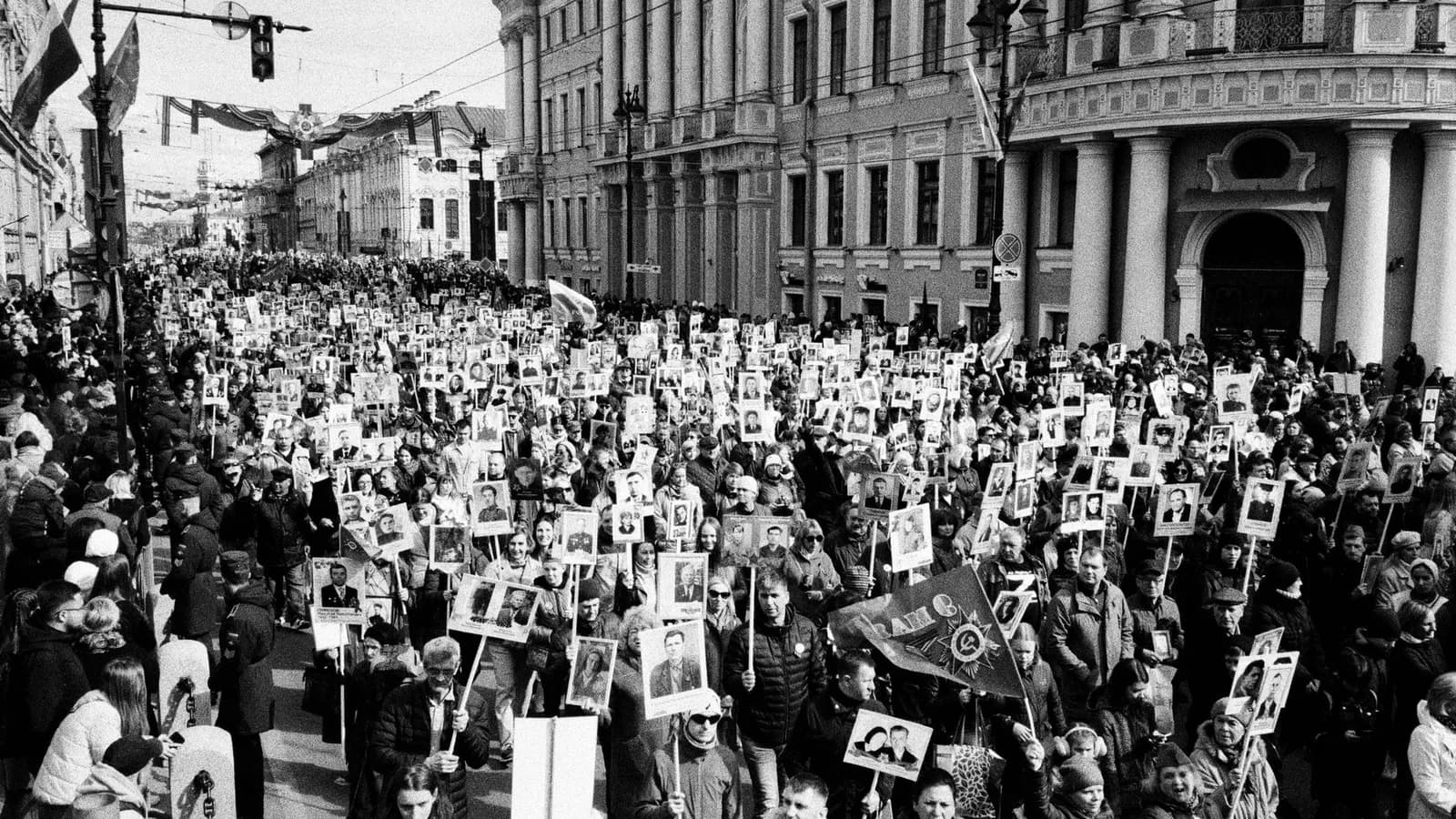
CHAOS compiled files on Americans involved in antiwar and civil rights activity.
The National Security Act of 1947, which created the CIA, gave it no domestic police or internal security function. That boundary is the basic constitutional bargain of the American intelligence system.
From 1967 to 1974 the agency ran Operation CHAOS, which surveilled American citizens inside the United States.
What it did
CHAOS was run by Richard Ober within the counterintelligence staff under James Angleton. Its stated purpose was to determine whether the American antiwar movement was directed or funded from abroad.
It opened files on around 7,200 American citizens and built an index covering some 300,000 names and organisations. It infiltrated domestic political groups. It intercepted mail. It shared material with the FBI and with local police.
It was tasked at presidential level, under both Johnson and Nixon, both of whom believed foreign direction of the protest movement would be found.
How it became public
On 22 December 1974 Seymour Hersh published an account in the New York Times of a massive illegal domestic intelligence operation directed against the antiwar movement.
The effect was immediate. Within weeks President Ford established the Rockefeller Commission; within months the Senate created the Church Committee and the House its own inquiry.
Those investigations were convened to examine domestic surveillance. What they found in the course of it included the assassination plots, and MKULTRA.
Why the sequence matters
Nobody set out to investigate mind-control research. It surfaced because a newspaper exposed a different programme, which triggered investigations broad enough to catch things nobody was looking for.
It is also why the MKULTRA files were destroyed in 1973 rather than 1975 — the destruction came before the exposure, at the point where people inside the agency could see the direction of travel.
The Family Jewels
In 1973, at the request of the director James Schlesinger, the CIA compiled an internal inventory of its own activities that might be illegal or outside its charter. It ran to nearly seven hundred pages and became known internally as the Family Jewels.
It listed the domestic surveillance, the mail opening, the assassination planning and the drug testing. It was compiled by the agency, about the agency, for the agency.
It informed Hersh's reporting and the subsequent investigations, and was eventually released publicly in 2007.
What changed afterwards
The permanent Senate Select Committee on Intelligence was created in 1976 and its House counterpart in 1977. The Foreign Intelligence Surveillance Act followed in 1978. An executive order prohibited assassination.
Whether that architecture has held is a live argument. That it exists at all is a direct consequence of one reporter and one story.
Join the discussion
Still open on this one:
- 01
Were the CHAOS files destroyed?
Substantial material survives and has been examined, unlike the MKULTRA programme files. The difference in survival between the two is itself informative.
Be the first to comment
Sources
Open them and check for yourself. Where a record is public, it is linked.
Church Committee reports on intelligence activities
US Senate Select Committee to Study Governmental Operations · 26 Apr 1976 · no public copy located
George Washington University
US National Archives catalogue
NARA
Related
Psychic Phenomena
The Nine: who — or what — were they?
On New Year’s Eve 1952, in a laboratory in Maine, a voice announced itself as one of nine. Over the next forty years it reached a credentialled scientist, a celebrity psychic, a bestselling book and the creator of Star Trek. This is what is documented, and what is not.
Psychic Phenomena
New Year’s Eve 1952: the first session with the Nine
The founding event of the whole Nine phenomenon happened in a Maine farmhouse on 31 December 1952. Here is what the record supports about that evening, and how much of the familiar account was written down much later.
Psychic Phenomena
D. G. Vinod: the man at the beginning of the Nine
Every version of the Nine story starts with Dr D. G. Vinod in a trance in Maine. He is also the person that story then almost entirely forgets. Why the first channel is the biggest hole in the record.

Psychic Phenomena
Andrija Puharich: the doctor who kept turning up
A qualified physician, an inventor with real patents, an army medical officer — and the constant in forty years of the strangest story in American parapsychology. Puharich is the reason the Nine keep touching institutions.
0 comments