

COINTELPRO: documented, and exposed by a burglary
For fifteen years the FBI ran covert operations against domestic political groups. It became public because eight activists broke into a field office in 1971 and posted the files to reporters.
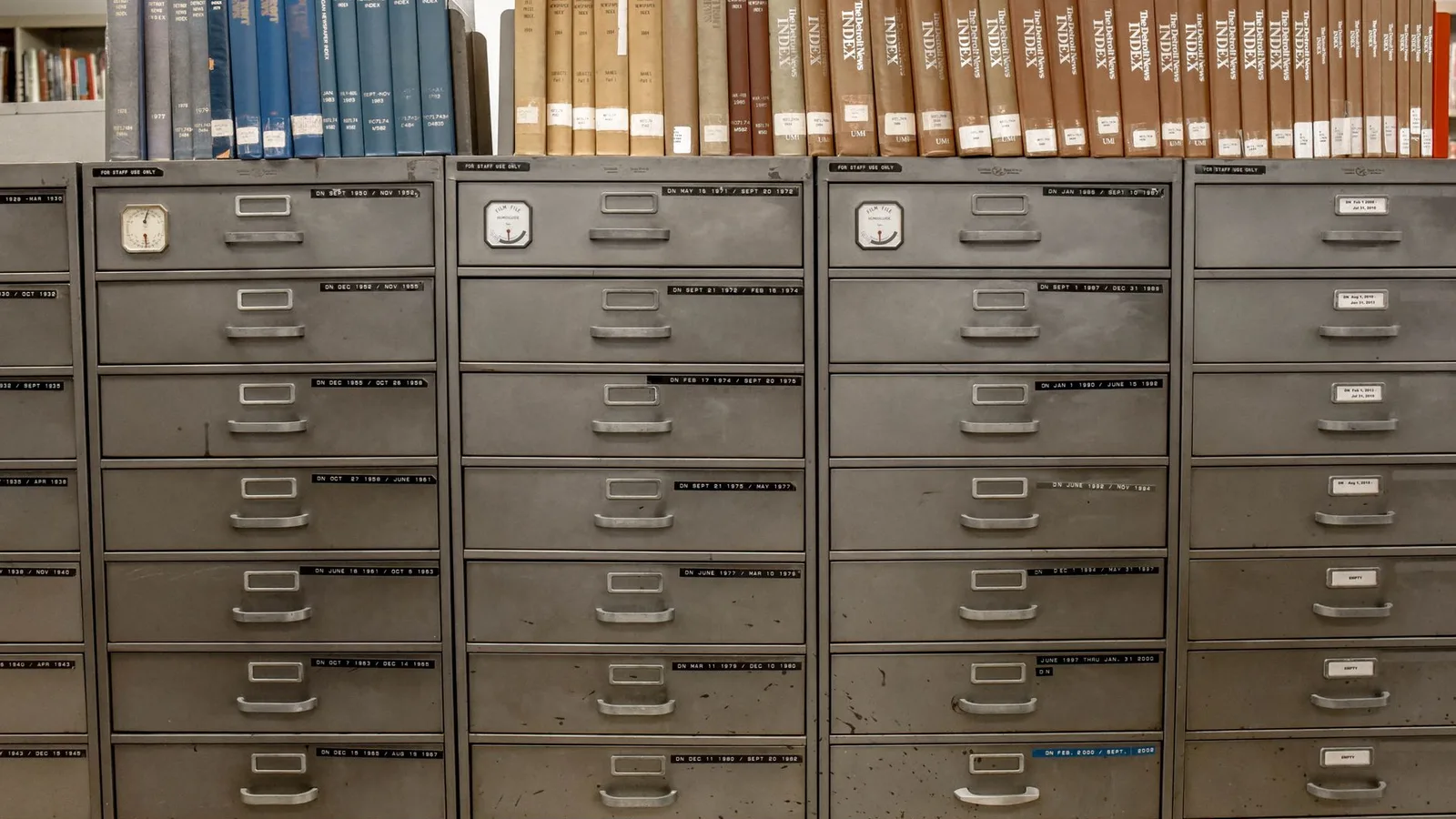
The programme became public because activists removed files from an FBI office in 1971.
Documented. COINTELPRO — counter intelligence program — ran from 1956 to 1971 and involved FBI operations against domestic political organisations: surveillance, infiltration, forged correspondence, media manipulation and efforts to discredit individuals.
Targets included civil rights organisations, anti-war groups, the Black Panther Party, and Martin Luther King Jr, who was subjected to a sustained campaign including an anonymous letter urging him to kill himself.
How it became public
On 8 March 1971, eight people broke into a small FBI office in Media, Pennsylvania, and removed the files. They chose the night of a heavily watched boxing match on the assumption nobody would be paying attention.
They posted documents to journalists and members of Congress. Several outlets declined to publish. The Washington Post did.
The word COINTELPRO appeared in those files, and the subsequent trail led to the Church Committee investigations of 1975.
What the documents established
That the operations were not incidental excesses but a structured programme with objectives, categories of target, and internal reporting. The stated aim in the documents was to expose, disrupt, discredit and neutralise.
Specific techniques are recorded: anonymous letters designed to provoke violence between groups, approaches to employers to have targets dismissed, and forged communications intended to create distrust within organisations.
Why the exposure mechanism matters
Because it was not oversight. Congress did not find this, the courts did not find it, and no inspector general found it. It surfaced because private citizens committed a burglary.
Every formal mechanism that existed to prevent this had been in place throughout the fifteen years it ran.
The reforms
The Church Committee led to permanent intelligence oversight committees in both houses of Congress and to the Foreign Intelligence Surveillance Act in 1978. Those are the direct institutional descendants of a break-in.
Whether they work is a live argument. That they exist because of what those files contained is not.
Join the discussion
Still open on this one:
- 01
How much of the programme is still unreleased?
The Media office held a fraction of the national holding. Releases since have been substantial and are not obviously complete.
Be the first to comment
Sources
Open them and check for yourself. Where a record is public, it is linked.
US National Archives and Records Administration
NARA
George Washington University
Church Committee reports on intelligence activities
US Senate Select Committee to Study Governmental Operations · 26 Apr 1976 · no public copy located
Related

Psychic Phenomena
The Nine: who — or what — were they?
On New Year’s Eve 1952, in a laboratory in Maine, a voice announced itself as one of nine. Over the next forty years it reached a credentialled scientist, a celebrity psychic, a bestselling book and the creator of Star Trek. This is what is documented, and what is not.
Psychic Phenomena
New Year’s Eve 1952: the first session with the Nine
The founding event of the whole Nine phenomenon happened in a Maine farmhouse on 31 December 1952. Here is what the record supports about that evening, and how much of the familiar account was written down much later.
Psychic Phenomena
D. G. Vinod: the man at the beginning of the Nine
Every version of the Nine story starts with Dr D. G. Vinod in a trance in Maine. He is also the person that story then almost entirely forgets. Why the first channel is the biggest hole in the record.
Psychic Phenomena
Andrija Puharich: the doctor who kept turning up
A qualified physician, an inventor with real patents, an army medical officer — and the constant in forty years of the strangest story in American parapsychology. Puharich is the reason the Nine keep touching institutions.
0 comments