

The Church Committee: what a real investigation produced
For sixteen months a Senate committee had subpoena power over the American intelligence agencies. Almost everything the public knows about what those agencies did in the Cold War comes from that window.
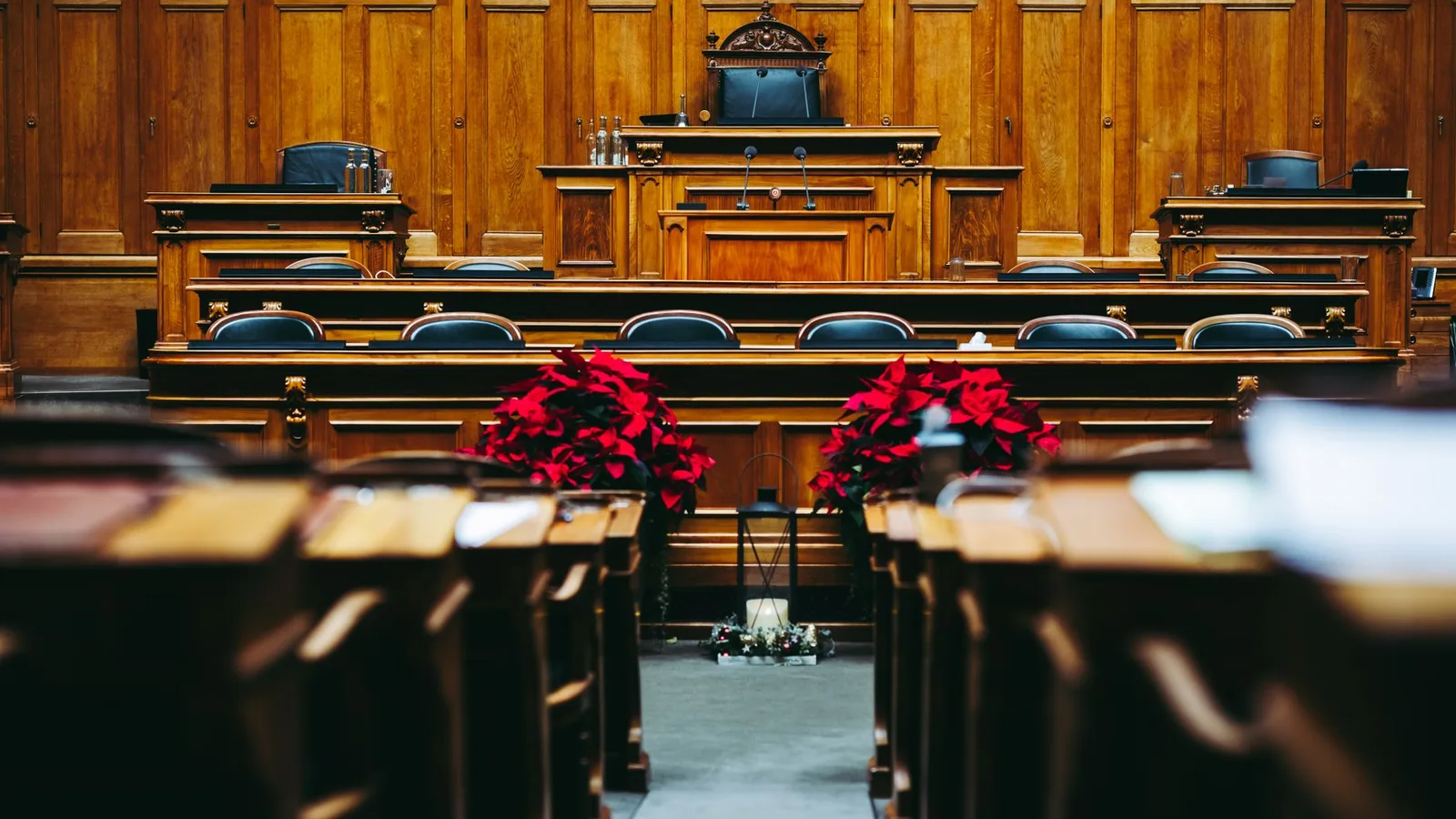
The Senate committee published fourteen reports between 1975 and 1976.
The Senate Select Committee to Study Governmental Operations with Respect to Intelligence Activities, chaired by Frank Church of Idaho, sat through 1975 and into 1976.
It is the reason this section of the site can exist. Its reports are why assassination plots, domestic surveillance and behavioural experimentation are matters of record rather than allegation.
What it had
Subpoena power, staff, access to classified material, and a political moment — immediately after Watergate and Hersh’s CHAOS reporting — in which refusing a congressional demand was costly.
It ran in parallel with the Pike Committee in the House and the Rockefeller Commission in the executive branch. The three had different powers and different outcomes; Church’s produced the fullest public record.
What it established
Plots to assassinate foreign leaders, including Patrice Lumumba and Fidel Castro, examined in a dedicated interim report.
The FBI’s COINTELPRO operations against domestic political groups, including the campaign against Martin Luther King.
NSA interception of American communications under programmes including SHAMROCK and MINARET.
CIA mail opening. Operation CHAOS. And the existence of the behavioural research programmes, though on this last the committee was working with very little, because the files had been destroyed two years earlier.
What it changed
Permanent oversight. The Senate Select Committee on Intelligence was established in 1976 and the House Permanent Select Committee in 1977, replacing an arrangement in which no standing body scrutinised the agencies.
The Foreign Intelligence Surveillance Act of 1978 created a warrant requirement and a court for intelligence surveillance in the United States.
An executive order prohibited political assassination, first issued under Ford and reaffirmed since.
The Pike Committee, and what happened to it
The House ran its own inquiry, chaired by Otis Pike, in parallel. It was more confrontational than Church's and focused on the agencies' effectiveness and cost as well as their conduct.
The House voted to suppress its report before publication. It was then leaked and published in full by The Village Voice in February 1976.
So one of the two congressional investigations into intelligence abuses reached the public only because a newspaper printed a suppressed document.
The reports are freely available
All fourteen volumes were published and are held by the US Government Publishing Office and the National Archives, alongside the assassination interim report and the domestic intelligence book. Anyone can read the primary material rather than summaries of it, which is unusual for this subject and is the reason it can be cited with confidence.
What it did not do
Nobody was prosecuted. The committee was an investigative body, not a court, and the material it developed did not produce criminal cases.
It also could not recover what had been destroyed, and it took evidence from officials who had themselves supervised the destruction.
Join the discussion
Still open on this one:
- 01
What remains classified?
Substantial supporting material was never published, and portions of the Pike Committee report were suppressed entirely. The public record is the committee’s account, not its full evidence.
Be the first to comment
See also
Everything this piece touches
Sources
Open them and check for yourself. Where a record is public, it is linked.
Church Committee reports on intelligence activities
US Senate Select Committee to Study Governmental Operations · 26 Apr 1976 · no public copy located
George Washington University
US National Archives catalogue
NARA
Related
Psychic Phenomena
The Nine: who — or what — were they?
On New Year’s Eve 1952, in a laboratory in Maine, a voice announced itself as one of nine. Over the next forty years it reached a credentialled scientist, a celebrity psychic, a bestselling book and the creator of Star Trek. This is what is documented, and what is not.
Psychic Phenomena
New Year’s Eve 1952: the first session with the Nine
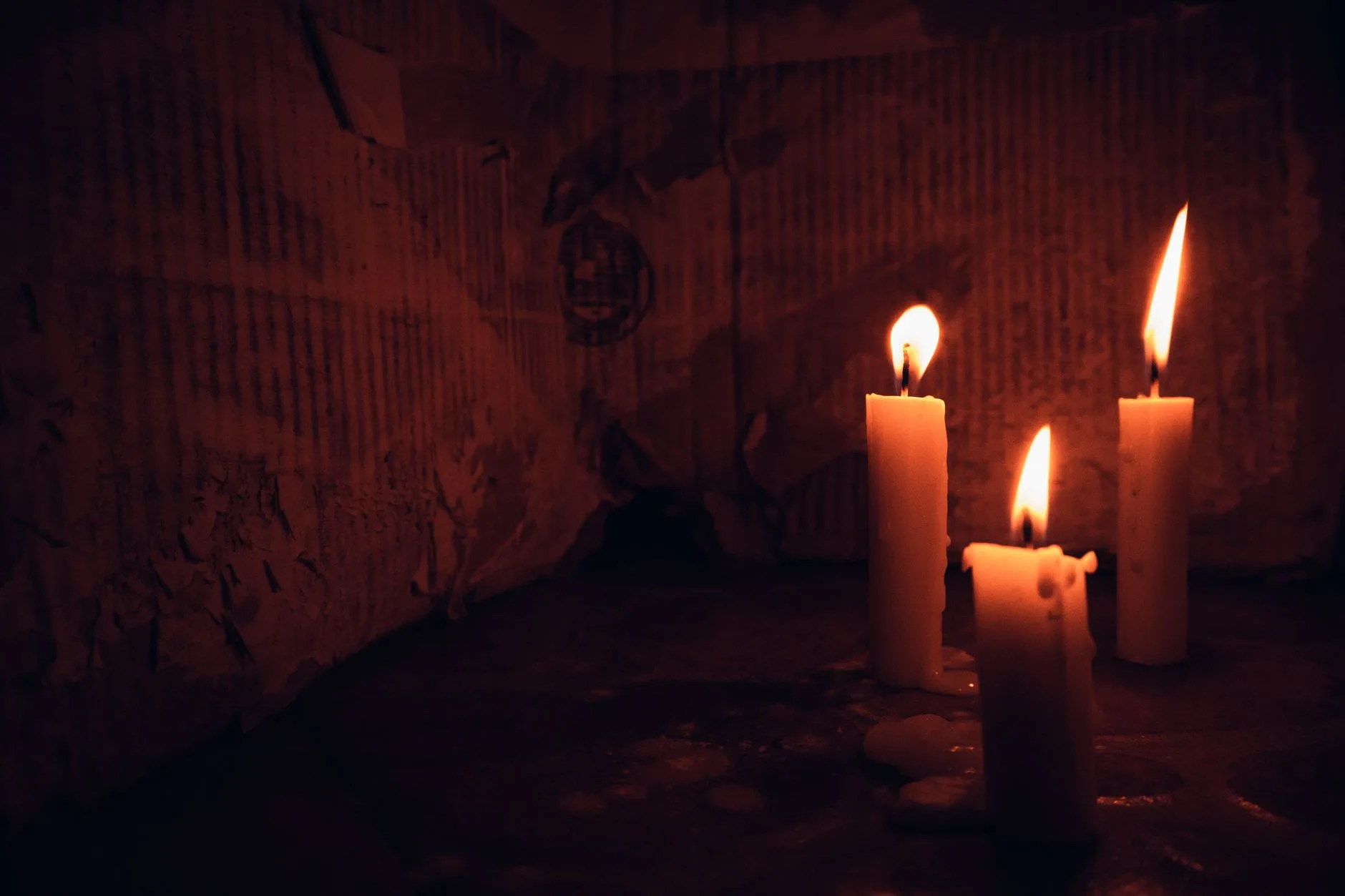
The founding event of the whole Nine phenomenon happened in a Maine farmhouse on 31 December 1952. Here is what the record supports about that evening, and how much of the familiar account was written down much later.
Psychic Phenomena
D. G. Vinod: the man at the beginning of the Nine
Every version of the Nine story starts with Dr D. G. Vinod in a trance in Maine. He is also the person that story then almost entirely forgets. Why the first channel is the biggest hole in the record.
Psychic Phenomena
Andrija Puharich: the doctor who kept turning up
A qualified physician, an inventor with real patents, an army medical officer — and the constant in forty years of the strangest story in American parapsychology. Puharich is the reason the Nine keep touching institutions.
0 comments