

Where "brainwashing" came from, and what the research found
The fear that drove twenty years of CIA experiments began with a word coined by a journalist. The research that followed found no technique at all — and that finding is the least known fact in the subject.
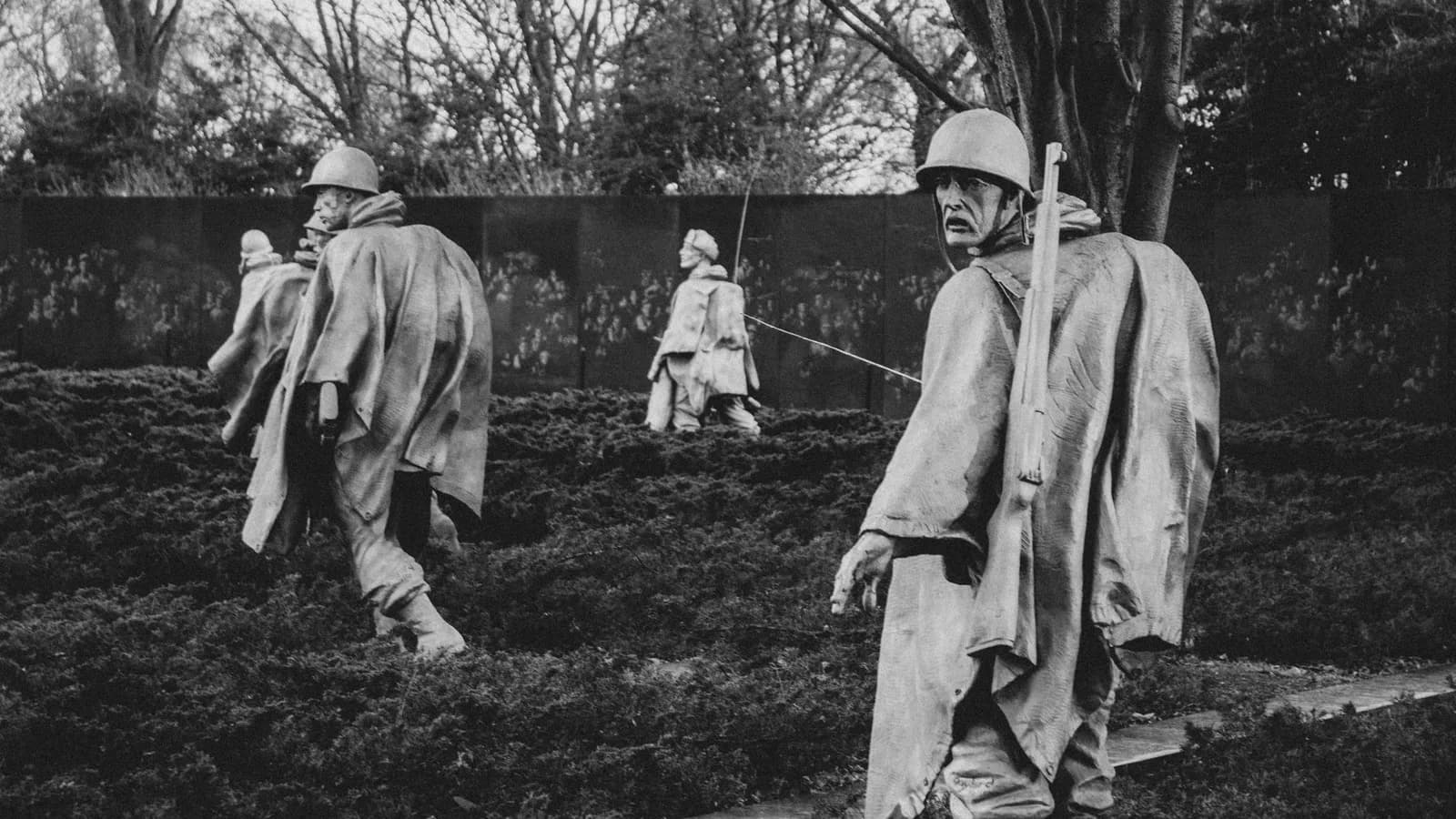
The term entered English in 1950, during the Korean War.
MKULTRA did not begin as an offensive programme. It began as a defensive one, because the United States believed its adversaries had a capability it did not understand.
Working out where that belief came from turns out to explain a great deal about what followed.
The word
Brainwashing entered English in 1950, in an article by the journalist Edward Hunter. It rendered a Chinese phrase meaning to wash the brain, used in the context of political re-education.
Hunter was not a neutral observer. He had a background in wartime propaganda work, and the term was introduced in a way that framed Chinese practice as a technology rather than as coercion.
It spread very fast, because it named something people were already frightened of.
The event that made it urgent
During the Korean War, captured American servicemen made statements denouncing the United States, some confessing to biological warfare that had not occurred. At the armistice in 1953, twenty-one American prisoners refused repatriation and chose to stay.
That was an extraordinary and public shock. The explanation reached for was that the Chinese and Soviets had developed a method of altering minds, and that the United States was defenceless against it.
What the research actually found
This is the part that almost never travels with the story.
When the returning prisoners were studied properly — by the psychiatrist Robert Jay Lifton, by the social psychologist Edgar Schein, and by others — no technique was found. There was no drug, no hypnotic method, no procedure.
What there was: isolation, sleep deprivation, exhaustion, malnutrition, unrelenting group pressure, repetition, humiliation, and the removal of any source of information that contradicted the captors.
Those conditions reliably produce compliance. They do not produce conversion. Almost everyone who complied reverted once out of the environment, and the small number who did not had their own reasons — Lifton’s work found ordinary human motives rather than an implanted programme.
What Schein found in the camps
Edgar Schein, later a distinguished organisational psychologist at MIT, interviewed returning prisoners and described the process in detail.
The method he documented was social rather than pharmacological. Prisoners were separated from officers and from anyone with authority. Informing was rewarded, which destroyed trust between them. Mail was withheld selectively, with bad news delivered and good news suppressed. Small compliances were extracted and then cited back as evidence of commitment.
Schein called it coercive persuasion and noted that every component was already known to social psychology. Nothing in it required a discovery.
Why that finding did not stop anything
It arrived after the programmes were running, and it was less interesting than the fear.
The finding is also genuinely counterintuitive: it says the frightening thing is not a secret technology but the ordinary effect of extreme coercion, which any state with a prison can apply.
Join the discussion
Still open on this one:
- 01
Why did twenty-one men stay?
Individually documented and individually various. Most returned to the United States within a few years. It is a question about twenty-one people rather than about a technique.
Be the first to comment
Sources
Open them and check for yourself. Where a record is public, it is linked.
George Washington University
Church Committee reports on intelligence activities
US Senate Select Committee to Study Governmental Operations · 26 Apr 1976 · no public copy located
Surviving MKULTRA records
CIA Records Search Tool (CREST), Central Intelligence Agency · no public copy located
US National Archives catalogue
NARA
Related

Psychic Phenomena
The Nine: who — or what — were they?
On New Year’s Eve 1952, in a laboratory in Maine, a voice announced itself as one of nine. Over the next forty years it reached a credentialled scientist, a celebrity psychic, a bestselling book and the creator of Star Trek. This is what is documented, and what is not.

Psychic Phenomena
New Year’s Eve 1952: the first session with the Nine
The founding event of the whole Nine phenomenon happened in a Maine farmhouse on 31 December 1952. Here is what the record supports about that evening, and how much of the familiar account was written down much later.

Psychic Phenomena
D. G. Vinod: the man at the beginning of the Nine
Every version of the Nine story starts with Dr D. G. Vinod in a trance in Maine. He is also the person that story then almost entirely forgets. Why the first channel is the biggest hole in the record.

Psychic Phenomena
Andrija Puharich: the doctor who kept turning up
A qualified physician, an inventor with real patents, an army medical officer — and the constant in forty years of the strangest story in American parapsychology. Puharich is the reason the Nine keep touching institutions.
0 comments