

BLUEBIRD and ARTICHOKE: what came before MKULTRA
MKULTRA did not appear from nowhere. Two earlier programmes had already been running for three years, and their paperwork explains what the CIA thought it was doing.
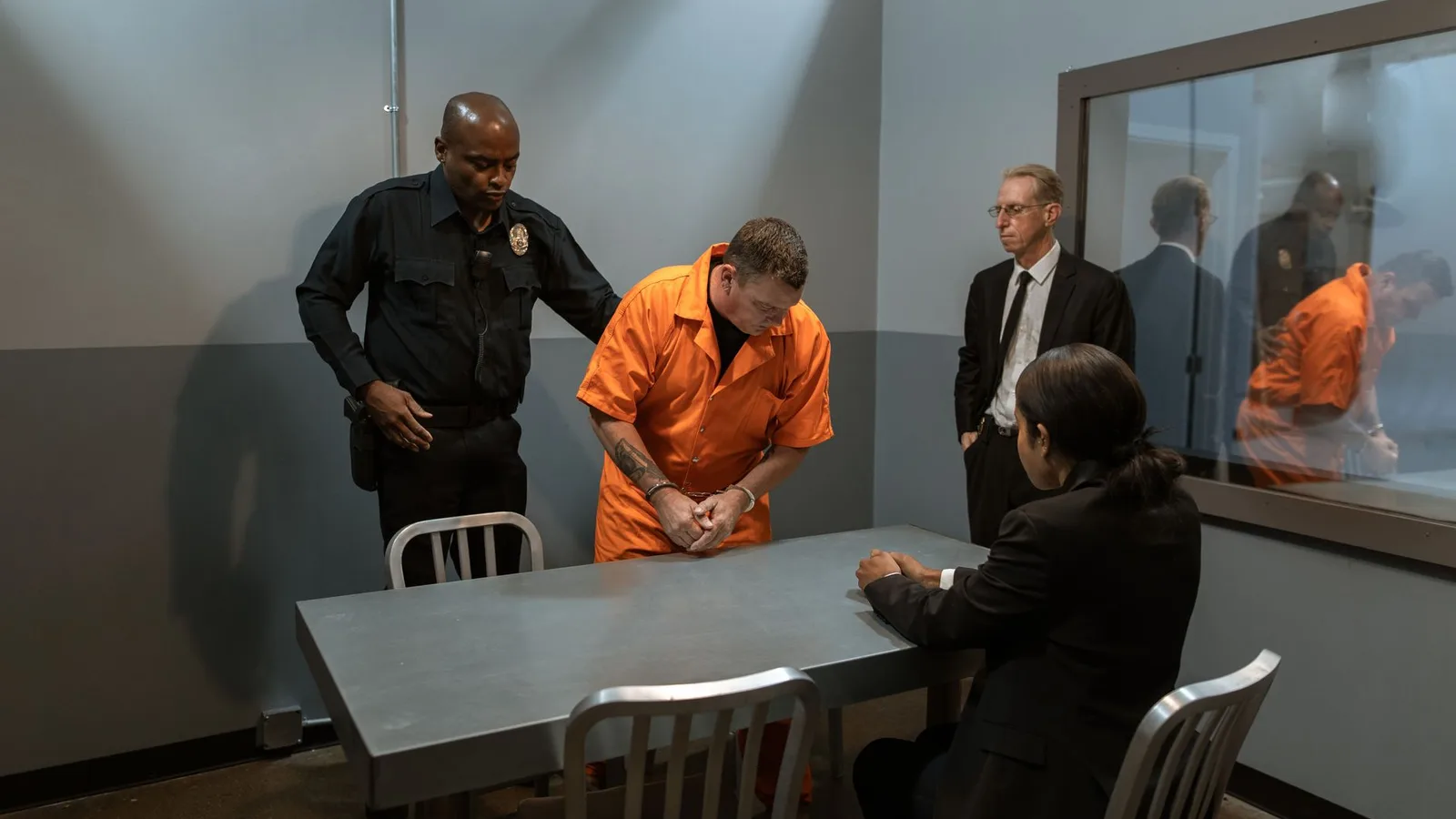
The programmes began as a defensive response to fears about interrogation techniques used on prisoners in Korea.
Documented. Project BLUEBIRD was approved in 1950 and renamed ARTICHOKE in 1951, and MKULTRA absorbed the work in 1953. Reading them in sequence explains the whole enterprise better than reading MKULTRA alone.
The fear that started it
Korea. American prisoners of war made public statements supporting their captors, and some returned apparently changed. The word brainwashing entered English at this point, translated from a Chinese term and popularised in the American press.
The intelligence question was not paranoid: had an adversary developed a technique for altering belief under interrogation, and if so, what was it and could it be defended against.
The answer, established later, was that there was no technique — only isolation, exhaustion, repetition and coercion applied over long periods, which produces compliance and not conversion. But that was not known in 1950.
What ARTICHOKE actually asked
The surviving memoranda are unusually direct. Could a person be made to perform an act against their will and retain no memory of it. Could hypnosis produce a subject who would carry out an instruction. Could drugs induce reliable amnesia.
These questions are asked plainly in the documents, which is why they are quoted so often. It is worth being clear about what a question in a memorandum is: it is a research objective, not a capability. Asking whether something can be done is not evidence that it was.
What was found
Very little that worked. The consistent thread through BLUEBIRD, ARTICHOKE and then MKULTRA is failure — techniques that did not replicate, subjects who did not respond, and results that could not be relied on operationally.
The programmes continued anyway, for two decades, which is a fact about institutions rather than about the science.
Why the sequence matters
It converts MKULTRA from an inexplicable atrocity into something more legible and, in a way, more troubling: a defensive research programme that expanded past its own justification, kept going long after it stopped producing anything, and was protected by classification from the review that would have closed it.
That pattern is not unique to the CIA and it is not confined to the 1950s. It is the ordinary failure mode of secret work, and it is the reason oversight exists.
Join the discussion
Still open on this one:
- 01
Did any technique from these programmes reach operational use?
The surviving assessments say no. Whether the destroyed records said otherwise cannot be established, and treating that gap as an answer is the central error made about all three programmes.
Be the first to comment
Sources
Open them and check for yourself. Where a record is public, it is linked.
US National Archives and Records Administration
NARA
George Washington University
Related

Psychic Phenomena
The Nine: who — or what — were they?
On New Year’s Eve 1952, in a laboratory in Maine, a voice announced itself as one of nine. Over the next forty years it reached a credentialled scientist, a celebrity psychic, a bestselling book and the creator of Star Trek. This is what is documented, and what is not.
Psychic Phenomena
New Year’s Eve 1952: the first session with the Nine
The founding event of the whole Nine phenomenon happened in a Maine farmhouse on 31 December 1952. Here is what the record supports about that evening, and how much of the familiar account was written down much later.
Psychic Phenomena
D. G. Vinod: the man at the beginning of the Nine
Every version of the Nine story starts with Dr D. G. Vinod in a trance in Maine. He is also the person that story then almost entirely forgets. Why the first channel is the biggest hole in the record.

Psychic Phenomena
Andrija Puharich: the doctor who kept turning up
A qualified physician, an inventor with real patents, an army medical officer — and the constant in forty years of the strangest story in American parapsychology. Puharich is the reason the Nine keep touching institutions.
0 comments