

AAWSAP and AATIP: what the Pentagon actually funded
A twenty-two million dollar defence contract to study advanced aerospace threats, awarded to a company owned by a hotelier with an interest in the paranormal. The contract is documented. Almost everything else about it is contested.
The contract is documented and auditable. Who ran what, under which programme name, is disputed.
Partly documented, partly disputed, and worth separating carefully because this is the foundation of the modern UAP conversation.
What is documented
In 2008 the Defense Intelligence Agency awarded a contract under the Advanced Aerospace Weapon System Applications Program — AAWSAP — worth about twenty-two million dollars. It went to Bigelow Aerospace, owned by Robert Bigelow, who had a long-standing personal interest in the paranormal.
The funding was secured largely through the efforts of Senator Harry Reid, who has spoken about it publicly. The contract produced a set of technical reports on subjects including propulsion, metamaterials and warp drive concepts. Several have been released and are of variable quality.
Where it becomes contested
The relationship between AAWSAP and AATIP — the Advanced Aerospace Threat Identification Program — is not agreed.
Luis Elizondo, a former Defense Department official, has said publicly that he ran AATIP and that it investigated UAP. His resignation in 2017 and subsequent statements were central to the New York Times coverage that restarted public attention.
The Pentagon has disputed elements of this. Its position, stated by spokespeople, has been that Elizondo had no assigned responsibilities relating to AATIP. Elizondo maintains he did.
Both positions are on the record and we are not in a position to adjudicate between them. What can be said is that the dispute is about role and remit rather than about whether the programmes existed.
What the programme produced
The released technical reports are the checkable part, and they are a mixed body of work. Some are competent literature reviews. Others are speculative in ways that would not pass peer review.
That is not scandalous for a threat-assessment contract — the brief was to survey what might be possible, which invites speculation. It does mean the reports should not be cited as though they represent settled defence science.
What actually followed
The line from here is direct and institutional. The 2017 coverage led to the Navy formalising reporting procedures in 2019, the UAP Task Force in 2020, the ODNI assessment in 2021, and AARO in 2022.
Whatever the disputes about who ran what, the consequence is a permanent office with a statutory basis. That is the substantive change and it is not contested.
Join the discussion
Still open on this one:
- 01
What was Elizondo’s formal role?
Personnel records would settle it. The dispute has run for years over something a document could answer in a paragraph.
Be the first to comment
See also
Everything this piece touches
Sources
Open them and check for yourself. Where a record is public, it is linked.
US National Archives and Records Administration
NARA
Preliminary Assessment: Unidentified Aerial Phenomena
Office of the Director of National Intelligence · 25 Jun 2021 · no public copy located
George Washington University
Related
Psychic Phenomena
The Nine: who — or what — were they?
On New Year’s Eve 1952, in a laboratory in Maine, a voice announced itself as one of nine. Over the next forty years it reached a credentialled scientist, a celebrity psychic, a bestselling book and the creator of Star Trek. This is what is documented, and what is not.
Psychic Phenomena
New Year’s Eve 1952: the first session with the Nine
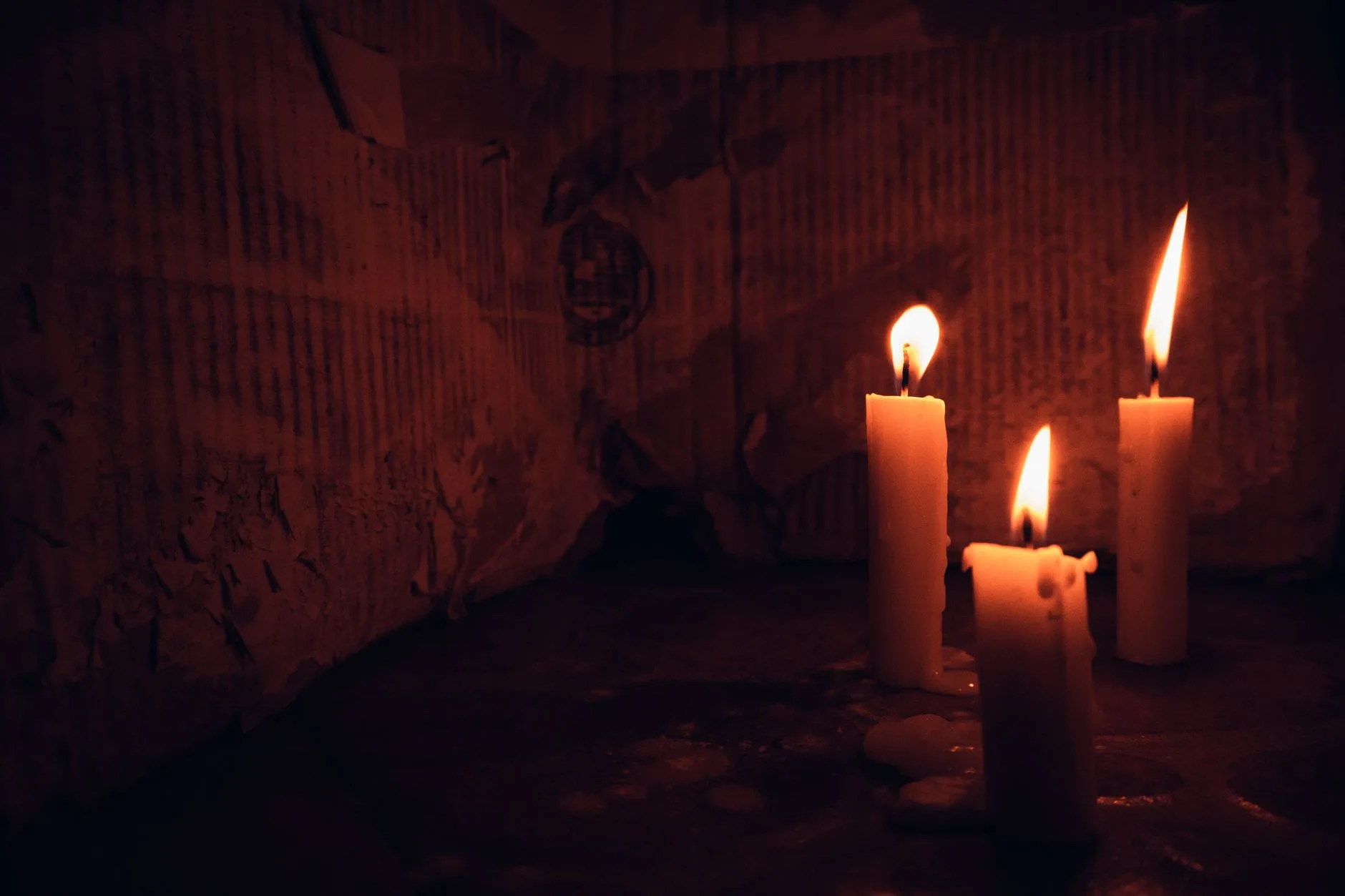
The founding event of the whole Nine phenomenon happened in a Maine farmhouse on 31 December 1952. Here is what the record supports about that evening, and how much of the familiar account was written down much later.
Psychic Phenomena
D. G. Vinod: the man at the beginning of the Nine
Every version of the Nine story starts with Dr D. G. Vinod in a trance in Maine. He is also the person that story then almost entirely forgets. Why the first channel is the biggest hole in the record.
Psychic Phenomena
Andrija Puharich: the doctor who kept turning up
A qualified physician, an inventor with real patents, an army medical officer — and the constant in forty years of the strangest story in American parapsychology. Puharich is the reason the Nine keep touching institutions.
0 comments