

The Premonitions Bureau: Britain tested precognition properly, and it failed
After Aberfan, a psychiatrist and a newspaper set up a national register where anyone could log a premonition before the event. It ran for years. This is what it found.
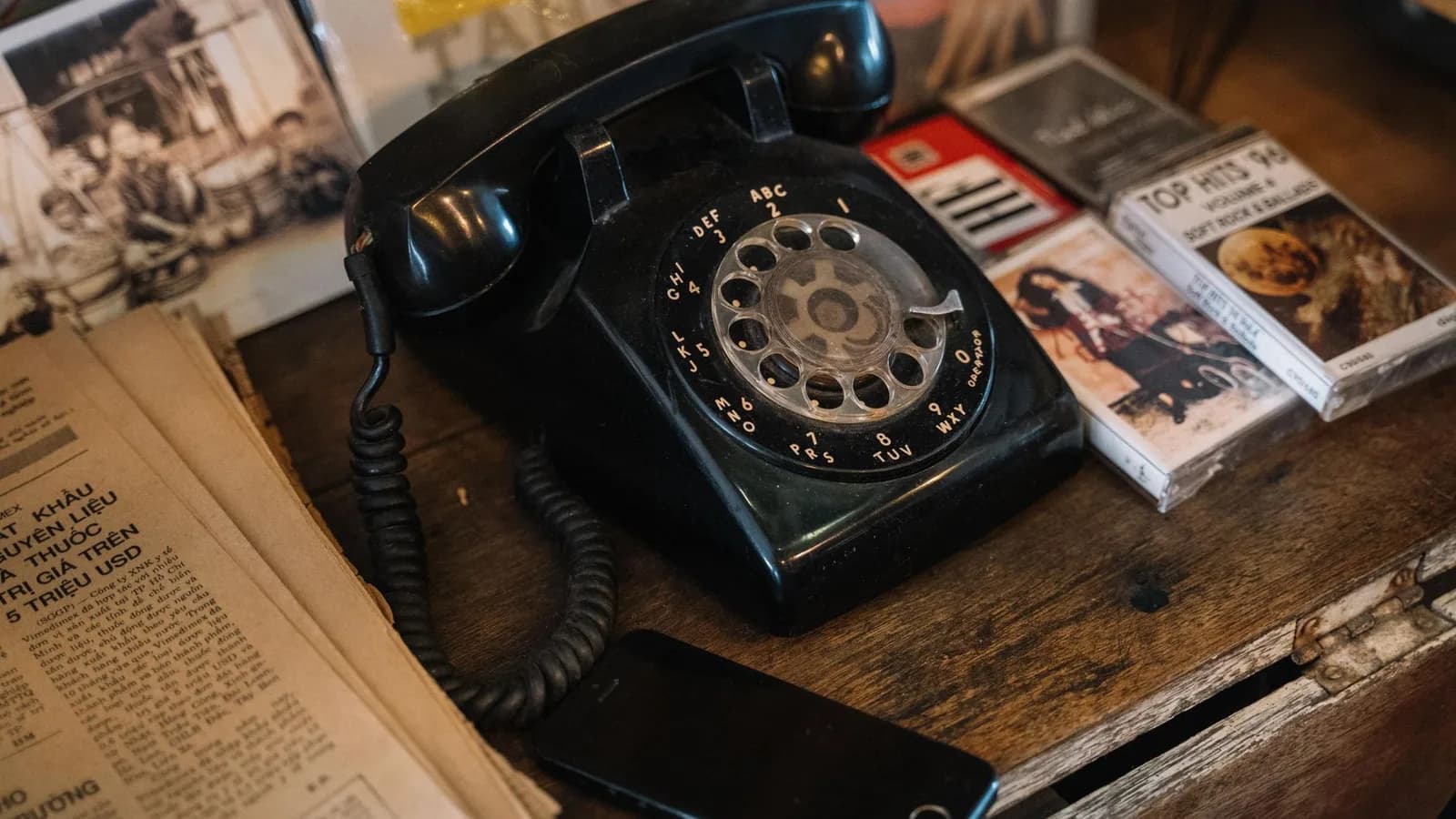
The bureau was run from the Evening Standard newsroom from 1967.
On 21 October 1966 a colliery spoil tip above Aberfan in south Wales collapsed onto the village school. A hundred and forty-four people died, a hundred and sixteen of them children.
In the aftermath, a psychiatrist named John Barker collected accounts from people who said they had foreseen it. One was a ten-year-old girl who had told her mother the day before that she dreamt her school was covered by something black. She died in the disaster.
Barker concluded that the only way to test this was prospectively — to collect premonitions before events, with a timestamp.
How the bureau worked
In 1967, with the science correspondent Peter Fairley, Barker set up the Premonitions Bureau at the Evening Standard in London.
Anyone could write in or telephone. Each report was logged with its date of receipt and its content, before any event it might correspond to. That is the entire methodological point, and it is a good one.
The design deals with the fundamental problem in this material: a premonition remembered after the fact is worthless as evidence, because memory reshapes itself around outcomes. A dated register removes that.
Why counting misses is the whole discipline
The bureau's central difficulty is the one that defeats almost every claim in this area.
A person who submits a hundred predictions a year, phrased generally, in a world where disasters occur regularly, will produce apparent matches. Assessing them requires knowing the denominator — how many predictions were made, how specific each was, and how many events could have counted as a match.
Barker's register captured the numerator well and the denominator poorly, because there was no protocol fixing in advance what would count as a hit.
What it found
Several hundred submissions in the first year and thousands over its life. The overwhelming majority corresponded to nothing.
A small number of correspondents produced repeated apparent hits and were tracked closely. Two in particular submitted large numbers of predictions, some of which appeared to match subsequent events.
The difficulty is the base rate. A person submitting predictions continuously, in general terms, about a world in which disasters happen regularly, will match some events by chance. Establishing that a hit rate exceeds chance requires counting the misses, and the misses were numerous.
No effect was established. The bureau wound down after Barker's death in 1968.
Join the discussion
Still open on this one:
- 01
Do the bureau's records survive?
Portions have been examined by researchers and journalists. A full statistical analysis of the register against subsequent events has never been published, and the material would allow one.
Be the first to comment
Sources
Open them and check for yourself. Where a record is public, it is linked.
Society for Psychical Research
SPR
The National Archives
Related
Psychic Phenomena
The Nine: who — or what — were they?
On New Year’s Eve 1952, in a laboratory in Maine, a voice announced itself as one of nine. Over the next forty years it reached a credentialled scientist, a celebrity psychic, a bestselling book and the creator of Star Trek. This is what is documented, and what is not.
Psychic Phenomena
New Year’s Eve 1952: the first session with the Nine
The founding event of the whole Nine phenomenon happened in a Maine farmhouse on 31 December 1952. Here is what the record supports about that evening, and how much of the familiar account was written down much later.
Psychic Phenomena
D. G. Vinod: the man at the beginning of the Nine
Every version of the Nine story starts with Dr D. G. Vinod in a trance in Maine. He is also the person that story then almost entirely forgets. Why the first channel is the biggest hole in the record.
Psychic Phenomena
Andrija Puharich: the doctor who kept turning up
A qualified physician, an inventor with real patents, an army medical officer — and the constant in forty years of the strangest story in American parapsychology. Puharich is the reason the Nine keep touching institutions.
0 comments