

Rennes-le-Château: a mystery invented by a restaurateur in the 1950s
A French village priest who spent money he should not have had, and a treasure story that launched a global bestseller. The parchments were forged in the 1960s and the forger explained how.
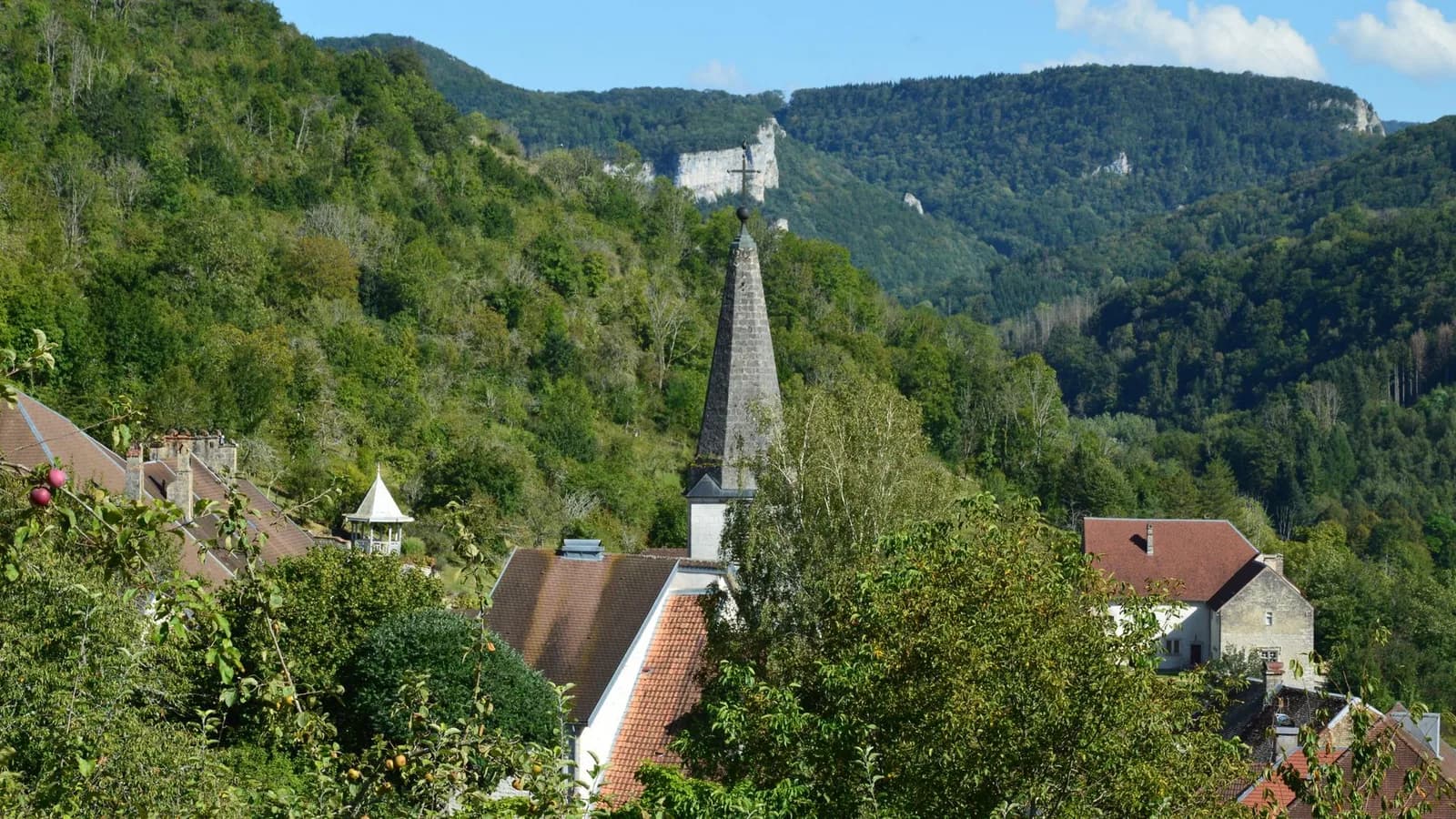
The village is in the Aude, in south-western France. The treasure story dates from a 1950s restaurant, not from the priest.
Rennes-le-Château is a village in the Aude, in south-western France. Its priest from 1885, Bérenger Saunière, restored the church and built himself substantial property on an income that should not have covered it.
From that real anomaly grew a story that reached the world through The Holy Blood and the Holy Grail and then The Da Vinci Code. Almost every element of it can be dated to the 1950s and 1960s.
The documented part
Saunière did spend far more than his stipend. He was investigated by his own bishop and eventually suspended.
The explanation established at the time, and never seriously contested since, is trafficking in masses: accepting payment to say masses for the dead, in volumes far beyond what one priest could possibly perform. He advertised widely and took money from across France and beyond.
Where the mystery comes from
From a man called Noël Corbu, who bought Saunière’s estate and opened a restaurant in it in the 1950s.
He told his customers that the priest had discovered treasure — Blanche of Castile’s, in the earliest version. The story appeared in the local press in 1956. It was good for business, which was the point.
The parchments
The story acquired documents in the 1960s through Pierre Plantard, who claimed descent from the Merovingian kings and asserted the existence of an ancient secret society, the Priory of Sion.
Parchments were produced containing coded messages. They were deposited in the Bibliothèque nationale to give them provenance.
They were forged. This is not an inference: Plantard’s associate Philippe de Chérisey, who made them, admitted it and described the method. Plantard himself admitted the Priory of Sion was his own invention, under oath, before a French judge in the 1990s.
What is left
A priest who sold masses he did not say, a restaurateur who invented a treasure to fill tables, a fantasist who forged documents to support a claim of royal descent, and two bestsellers built on the forgeries.
It is one of the best-documented manufactured mysteries in existence, and it is more instructive as a case study in how such things are built than any of its content.
Join the discussion
Still open on this one:
- 01
How much did Saunière actually receive?
The mass-trafficking accounts survive in diocesan records. A full reconstruction of his income would close the only genuinely open question in the case.
Be the first to comment
Sources
Open them and check for yourself. Where a record is public, it is linked.
Bibliothèque nationale de France
BnF
British Library
Related
Psychic Phenomena
The Nine: who — or what — were they?
On New Year’s Eve 1952, in a laboratory in Maine, a voice announced itself as one of nine. Over the next forty years it reached a credentialled scientist, a celebrity psychic, a bestselling book and the creator of Star Trek. This is what is documented, and what is not.
Psychic Phenomena
New Year’s Eve 1952: the first session with the Nine
The founding event of the whole Nine phenomenon happened in a Maine farmhouse on 31 December 1952. Here is what the record supports about that evening, and how much of the familiar account was written down much later.
Psychic Phenomena
D. G. Vinod: the man at the beginning of the Nine
Every version of the Nine story starts with Dr D. G. Vinod in a trance in Maine. He is also the person that story then almost entirely forgets. Why the first channel is the biggest hole in the record.
Psychic Phenomena
Andrija Puharich: the doctor who kept turning up
A qualified physician, an inventor with real patents, an army medical officer — and the constant in forty years of the strangest story in American parapsychology. Puharich is the reason the Nine keep touching institutions.
0 comments