

Oak Island: two hundred years of digging, and what is actually down there
A pit on a Nova Scotian island has consumed fortunes and six lives since 1795. The most careful reading of the evidence is that the mystery was manufactured by the search itself.
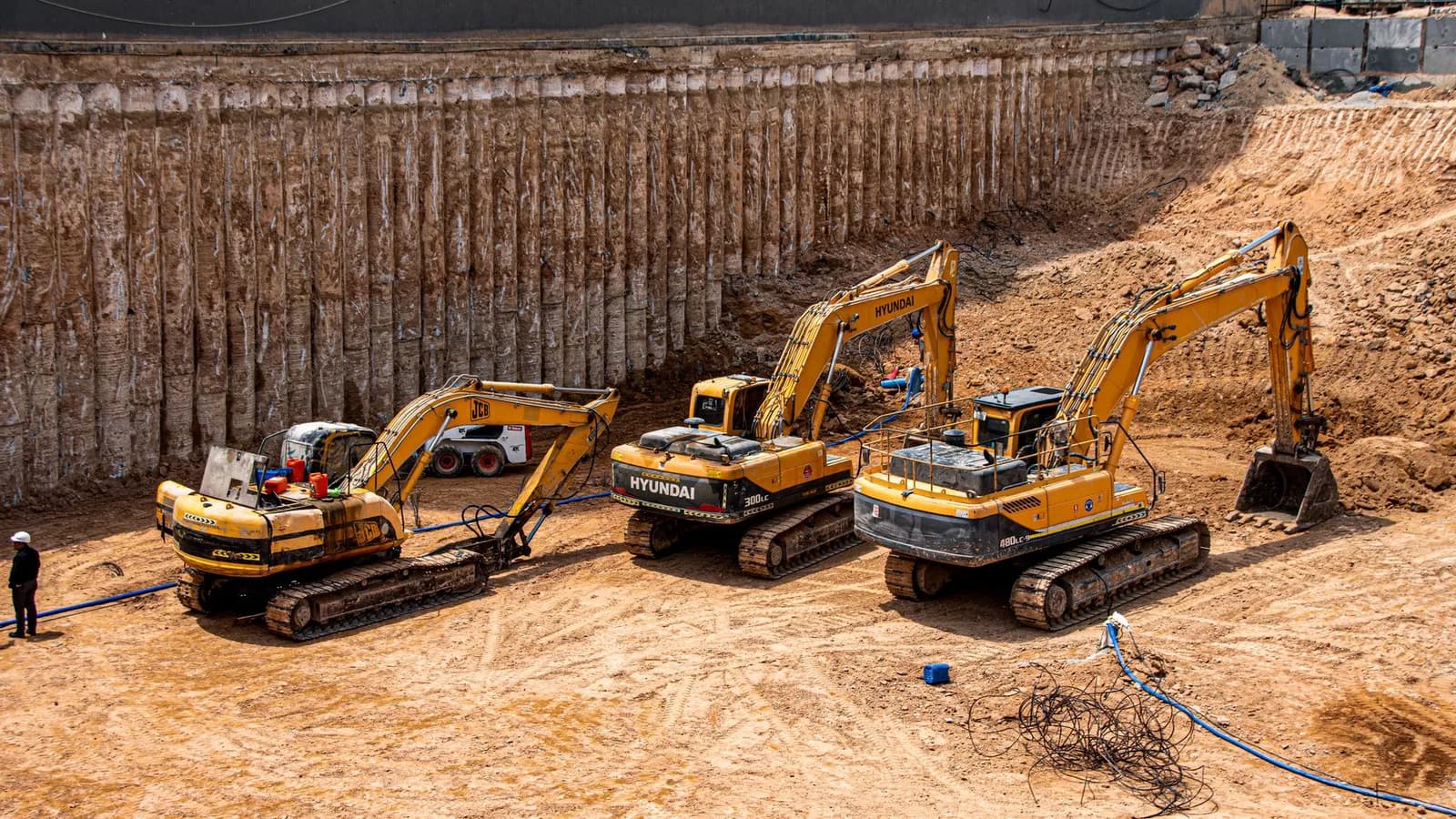
Two centuries of excavation have thoroughly destroyed whatever original stratigraphy the site had.
Oak Island lies off the coast of Nova Scotia. Since 1795 people have been digging on it, in the belief that something valuable is buried in what became known as the Money Pit. Six people have died in the attempts and several fortunes have been spent.
Nothing of value has ever been recovered.
The story as it is told
A young man notices a depression in the ground under an old oak with a block and tackle hanging from a branch. He and friends dig, and find platforms of oak logs at regular intervals. Deeper down, a stone with strange markings. Deeper still, the shaft floods with seawater — from booby-trapped tunnels connected to the shore, designed to protect whatever lies beneath.
It is a superb story and almost every element of it comes from accounts written decades after the events described.
What the geology says
Oak Island sits on anhydrite and gypsum bedrock. That rock dissolves in water, and dissolution produces natural cavities, sinkholes and voids — which is exactly the local geology of that part of Nova Scotia.
A natural sinkhole, partially filled with debris and organic material over centuries, would produce a depression in the ground, layers of decayed wood and soil at intervals, and voids at depth. It would also flood, because the island is small and the water table is seawater.
The flood tunnels have never been found despite two centuries of excavation directly on top of where they must be.
What the digging did
This is the part that matters most and is least discussed. Each expedition dug, flooded, abandoned the shaft, and dug another one nearby. Shafts collapsed into each other. Later searchers found timber and worked material and took it as evidence of the original works — when it was the previous expedition’s shoring.
By the twentieth century the site was a honeycomb of collapsed workings with no reliable record of which hole was which. Any original feature, if one existed, was destroyed by the people looking for it.
Why it persists
Because the search has always been funded by the search. Investment requires a story, the story requires evidence, and each expedition has had a strong incentive to interpret ambiguous findings favourably. That has been true continuously since the 1850s.
The modern television treatment is the same mechanism with a larger budget.
Join the discussion
Still open on this one:
- 01
Has the site ever been surveyed archaeologically rather than dug?
Ground-penetrating survey and proper stratigraphic excavation would say more than another shaft. The commercial incentives have always run the other way.
Be the first to comment
Sources
Open them and check for yourself. Where a record is public, it is linked.
Nova Scotia Department of Natural Resources
British Library
Related
Psychic Phenomena
The Nine: who — or what — were they?
On New Year’s Eve 1952, in a laboratory in Maine, a voice announced itself as one of nine. Over the next forty years it reached a credentialled scientist, a celebrity psychic, a bestselling book and the creator of Star Trek. This is what is documented, and what is not.
Psychic Phenomena
New Year’s Eve 1952: the first session with the Nine
The founding event of the whole Nine phenomenon happened in a Maine farmhouse on 31 December 1952. Here is what the record supports about that evening, and how much of the familiar account was written down much later.
Psychic Phenomena
D. G. Vinod: the man at the beginning of the Nine
Every version of the Nine story starts with Dr D. G. Vinod in a trance in Maine. He is also the person that story then almost entirely forgets. Why the first channel is the biggest hole in the record.
Psychic Phenomena
Andrija Puharich: the doctor who kept turning up
A qualified physician, an inventor with real patents, an army medical officer — and the constant in forty years of the strangest story in American parapsychology. Puharich is the reason the Nine keep touching institutions.
0 comments