

The Illuminati: a real order, suppressed in 1787
The Bavarian Illuminati existed, had members, minutes and a founder, and was shut down by the state after nine years. Everything attributed to it since is attributed to something that stopped existing.
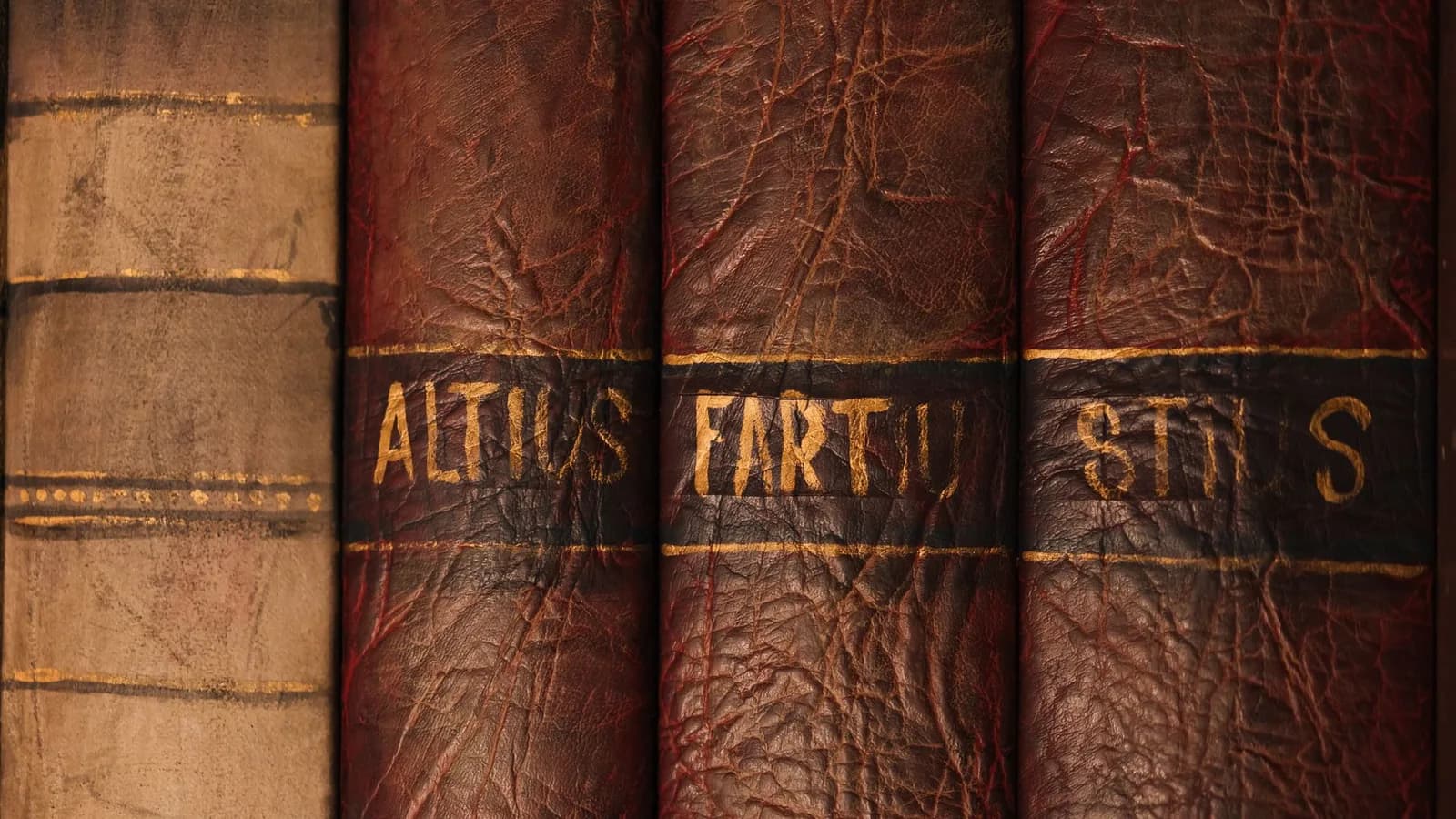
The order’s papers were seized and published by the Bavarian state, which is why it is so well documented.
The Order of the Illuminati was founded on 1 May 1776 in Ingolstadt, Bavaria, by Adam Weishaupt, a professor of canon law. It is entirely real and unusually well documented, because when the state suppressed it, it seized the papers and published them.
What it actually was
An Enlightenment society, in a Catholic state where Enlightenment ideas were not welcome. Its aims were the promotion of rational thought, opposition to superstition and clerical influence over public life, and the advancement of members into positions where they could act on those views.
It was organised in degrees, borrowed heavily from masonic structure, and used pseudonyms drawn from antiquity. Weishaupt was Spartacus.
At its height it had perhaps two thousand members, concentrated in Bavaria and the German states, including some genuinely prominent figures.
How it became a global conspiracy
The Bavarian government published the seized papers as propaganda, to demonstrate the order’s subversive intent.
Then the French Revolution happened. In 1797 Augustin Barruel published a history arguing that the Revolution had been engineered by a conspiracy of philosophers, freemasons and Illuminati. John Robison published a similar argument in Britain the same year.
That is the origin. Two books, both from 1797, both written to explain a revolution their authors found otherwise inexplicable, both drawing on documents the Bavarian state had published to justify a suppression.
Why the idea was useful
Because it explains a catastrophe without conceding that it had causes anyone might sympathise with. If the Revolution was engineered by a hidden order, then it was not produced by inequality, famine and a bankrupt state.
That function is the reason the framework has been reused continuously for two centuries, attached in turn to almost every group its users disliked.
What is worth taking from it
That the real history is more interesting. A group of Enlightenment intellectuals building a secret structure inside an authoritarian Catholic state, to advance rationalism, and being crushed for it within a decade, is a genuine and rather moving episode.
It is also, in outline, exactly what its enemies said it was — a secret society working to change society — and that is why the propaganda worked.
Join the discussion
Still open on this one:
- 01
How many members were there really?
Estimates from the seized membership lists vary. The number matters, because the conspiracy literature requires an organisation of a scale the documents do not support.
Be the first to comment
Sources
Open them and check for yourself. Where a record is public, it is linked.
British Library
Bavarian State Library
Related

Psychic Phenomena
The Nine: who — or what — were they?
On New Year’s Eve 1952, in a laboratory in Maine, a voice announced itself as one of nine. Over the next forty years it reached a credentialled scientist, a celebrity psychic, a bestselling book and the creator of Star Trek. This is what is documented, and what is not.
Psychic Phenomena
New Year’s Eve 1952: the first session with the Nine
The founding event of the whole Nine phenomenon happened in a Maine farmhouse on 31 December 1952. Here is what the record supports about that evening, and how much of the familiar account was written down much later.
Psychic Phenomena
D. G. Vinod: the man at the beginning of the Nine
Every version of the Nine story starts with Dr D. G. Vinod in a trance in Maine. He is also the person that story then almost entirely forgets. Why the first channel is the biggest hole in the record.

Psychic Phenomena
Andrija Puharich: the doctor who kept turning up
A qualified physician, an inventor with real patents, an army medical officer — and the constant in forty years of the strangest story in American parapsychology. Puharich is the reason the Nine keep touching institutions.
0 comments