

The Owlman of Mawnan: a cryptid with a named author
A winged figure reported over a Cornish church in 1976, often compared to Mothman. The comparison is apt for a reason nobody intends: both cases run through a single promoter, and this one has admitted showmanship.
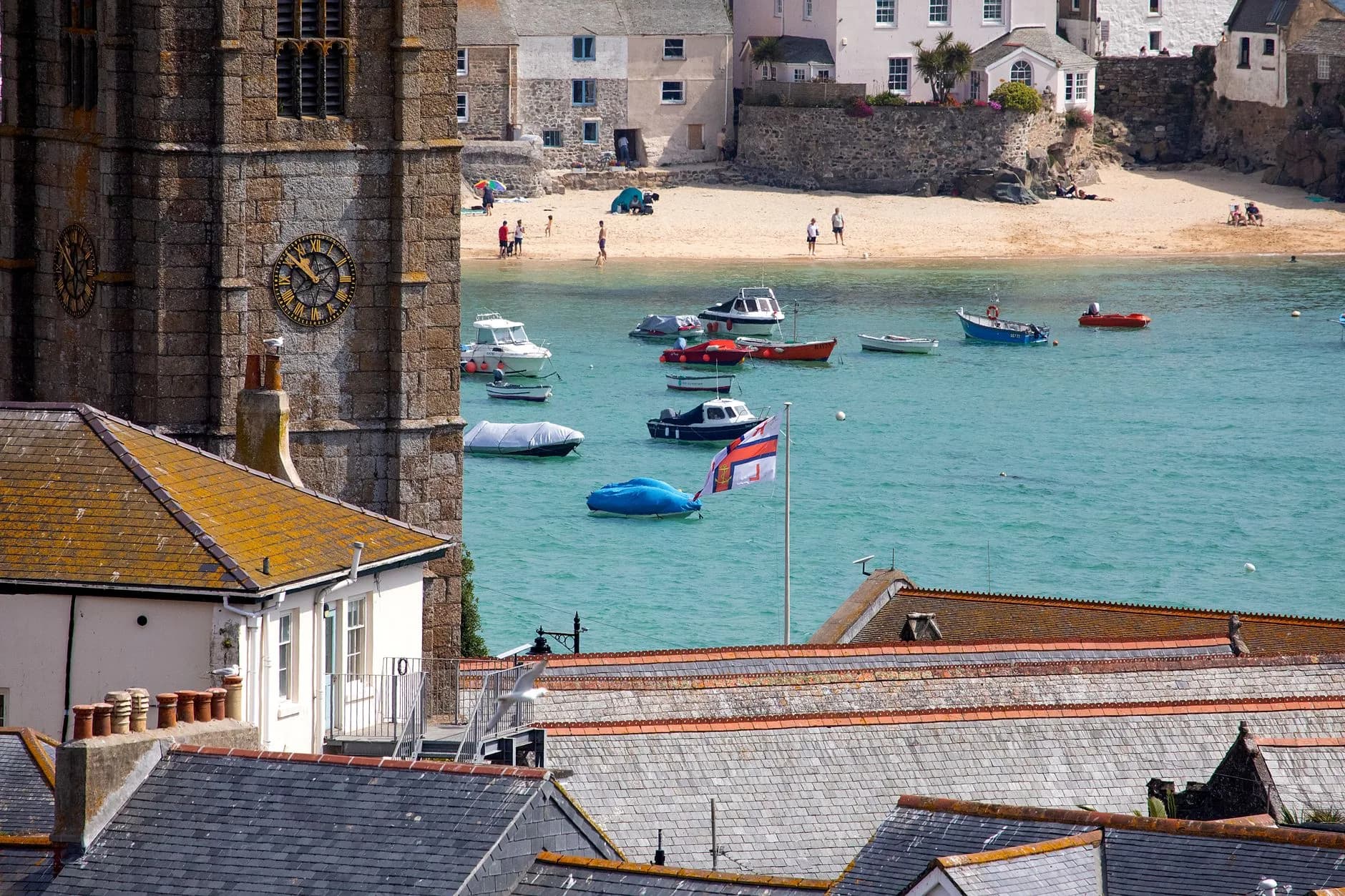
Photo by Tony Zohari on Pexels
In 1976, reports emerged of a large winged figure seen near the church at Mawnan in Cornwall — first by two young girls, then by others over the following years. It became known as the Owlman, and it occupies a permanent place in British cryptid literature, usually alongside Mothman.
The comparison to Mothman is more instructive than it is usually meant to be.
What is documented
That reports were made and published. Beyond that, the documentary trail is thin, and almost all of it passes through one person.
The case was collected, promoted and largely publicised by Tony "Doc" Shiels, a Cornwall-based artist, showman and self-described "surrealist magician" who was also associated with photographs of the Loch Ness monster in the same period. Shiels has never made a secret of being a showman; it is the identity he chose.
What was claimed
A figure the size of a man, with wings, feathers, pointed ears and glowing eyes, hovering above or near the church tower, seen on several occasions across several years by different people.
How to weigh it
Not by dismissing it because a showman was involved — that is lazy, and showmen occasionally report real things. Weigh it by asking what remains if you set the promoter’s contribution aside.
What remains is a small number of accounts, from young witnesses, reaching us through a channel with a demonstrated interest in the story being good. There are no photographs that are not contested, no physical trace, and no independent investigation contemporaneous with the events.
What remains unexplained
Very little, on the available evidence. This is one of the weaker cases in British cryptozoology and we would rather say so than pad it out.
It is worth covering for a specific reason: it is the clearest British illustration of a pattern that runs through this whole subject, in which a case and its promoter cannot be separated. Borley has it. Mothman has it in a milder form. When you meet a case where every road leads back to one enthusiastic individual, that is the first thing to investigate.
Join the discussion
Still open on this one:
- 01
Have the original 1976 witnesses ever been interviewed independently?
Not that we can establish. Everything the public knows about the founding reports came through one intermediary.
Be the first to comment
See also
Everything this piece touches
Sources
Open them and check for yourself. Where a record is public, it is linked.
Society for Psychical Research case archive
Society for Psychical Research
Related
Consciousness
Terminal lucidity: when a destroyed brain briefly works again
People with advanced dementia sometimes become clear, coherent and recognisably themselves shortly before death. It is documented in the medical literature, it happens, and nobody can currently explain it.
Consciousness
Ian Stevenson: forty years collecting children who remember other lives
A university psychiatrist spent his career documenting cases of young children who described a previous life, and checking whether the person they described had existed. He assembled over two thousand. The methodology is the argument.
Near Death Experiences
Pam Reynolds: the most-cited near-death case, and what it turns on
In 1991 a woman undergoing brain surgery under extraordinary conditions reported observing the operation. The surgical circumstances were unusually well documented. Whether she was unconscious at the time she perceived what she described is the whole argument.
Near Death Experiences
Near-death experiences: what the clinical research has established
Millions of people report a consistent set of experiences during cardiac arrest. That consistency is a real finding. What it means is where the argument starts, and hospital studies have been running for thirty years.
0 comments