

The Fouke Monster: a small-town case that a film turned into a legend
A reported attack on a house in rural Arkansas in 1971, and a low-budget docudrama released the following year that outgrossed most of what Hollywood put out. The film is the phenomenon.
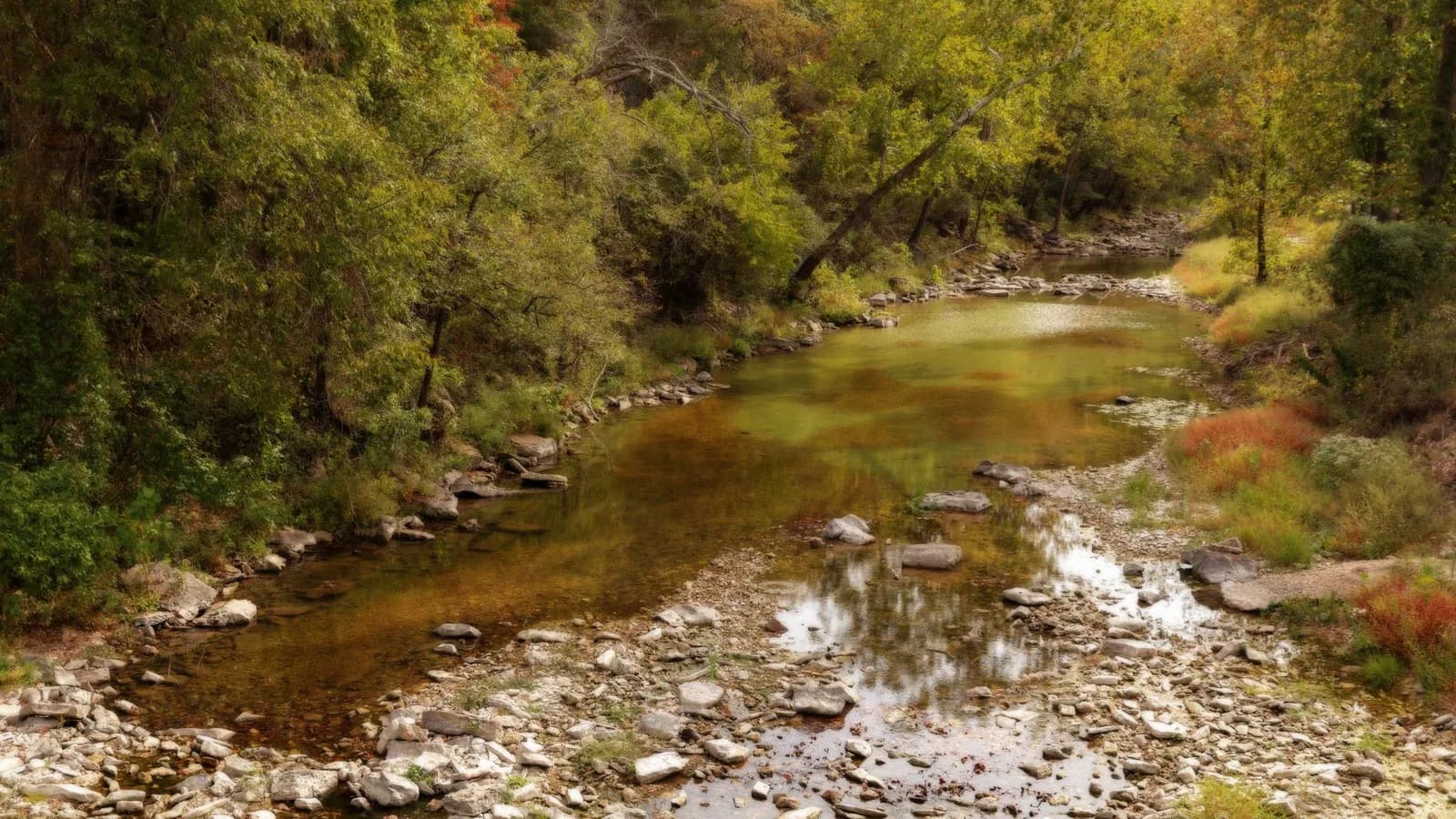
The 1971 reports came from around Boggy Creek near Fouke, Arkansas.
Fouke is a small town in Miller County, Arkansas, near a creek called Boggy Creek. In May 1971 a family living there reported that a large hairy creature had reached through a window and attacked their home at night.
The report was covered locally, then nationally, and then something unusual happened: a film was made.
What was reported
Bobby and Elizabeth Ford reported the creature at their house, with Bobby Ford treated at hospital for shock and scratches. Local police attended and found damage to the house and marks on the ground.
Three-toed tracks were found and cast. Reports from the surrounding area followed through 1971, and hunting parties went out.
The film
The Legend of Boggy Creek was released in 1972. It was made locally on a small budget by Charles B. Pierce, in a documentary style, using local people including some of the witnesses playing themselves.
It was enormously profitable relative to its cost and was widely seen at drive-ins across the American south. For a great many people it was the first cryptid story they encountered, and its style — reconstruction presented as documentary — was influential well beyond this subject.
Why the film matters more than the case
Because the reports substantially follow it.
The 1971 incidents are a small cluster in one county. The Fouke Monster as a continuing phenomenon, with decades of sightings and a permanent place in American folklore, dates from the film’s release and its reach.
This is the clearest example in the cluster of a media artefact generating the phenomenon it purports to document. It is not a hoax — the Fords reported something and were frightened — but the legend that followed is a product of distribution.
What Fouke did with it
Embraced it, as such towns generally do. There is a monster mart and an annual festival, and it is a meaningful part of the local economy.
That is a reasonable outcome for a folklore story and a poor basis for evidence, because a town with a commercial interest in continued sightings will continue to have them.
Join the discussion
Still open on this one:
- 01
What caused the damage at the Ford house?
Police attended and recorded damage, and a man was treated at hospital. Something happened. The contemporaneous police report is the document that matters and is rarely quoted.
Be the first to comment
Sources
Open them and check for yourself. Where a record is public, it is linked.
Natural History Museum collections
Natural History Museum, London
Arkansas Game and Fish Commission — black bear
AGFC
Related
Psychic Phenomena
The Nine: who — or what — were they?
On New Year’s Eve 1952, in a laboratory in Maine, a voice announced itself as one of nine. Over the next forty years it reached a credentialled scientist, a celebrity psychic, a bestselling book and the creator of Star Trek. This is what is documented, and what is not.
Psychic Phenomena
New Year’s Eve 1952: the first session with the Nine
The founding event of the whole Nine phenomenon happened in a Maine farmhouse on 31 December 1952. Here is what the record supports about that evening, and how much of the familiar account was written down much later.

Psychic Phenomena
D. G. Vinod: the man at the beginning of the Nine
Every version of the Nine story starts with Dr D. G. Vinod in a trance in Maine. He is also the person that story then almost entirely forgets. Why the first channel is the biggest hole in the record.

Psychic Phenomena
Andrija Puharich: the doctor who kept turning up
A qualified physician, an inventor with real patents, an army medical officer — and the constant in forty years of the strangest story in American parapsychology. Puharich is the reason the Nine keep touching institutions.
0 comments