

USS Omaha, 2019: the sphere that appeared to enter the sea
A US Navy warship recorded a spherical object off San Diego in July 2019. The Pentagon confirmed the footage is genuine. Whether the object went into the water is a separate question, and a harder one.
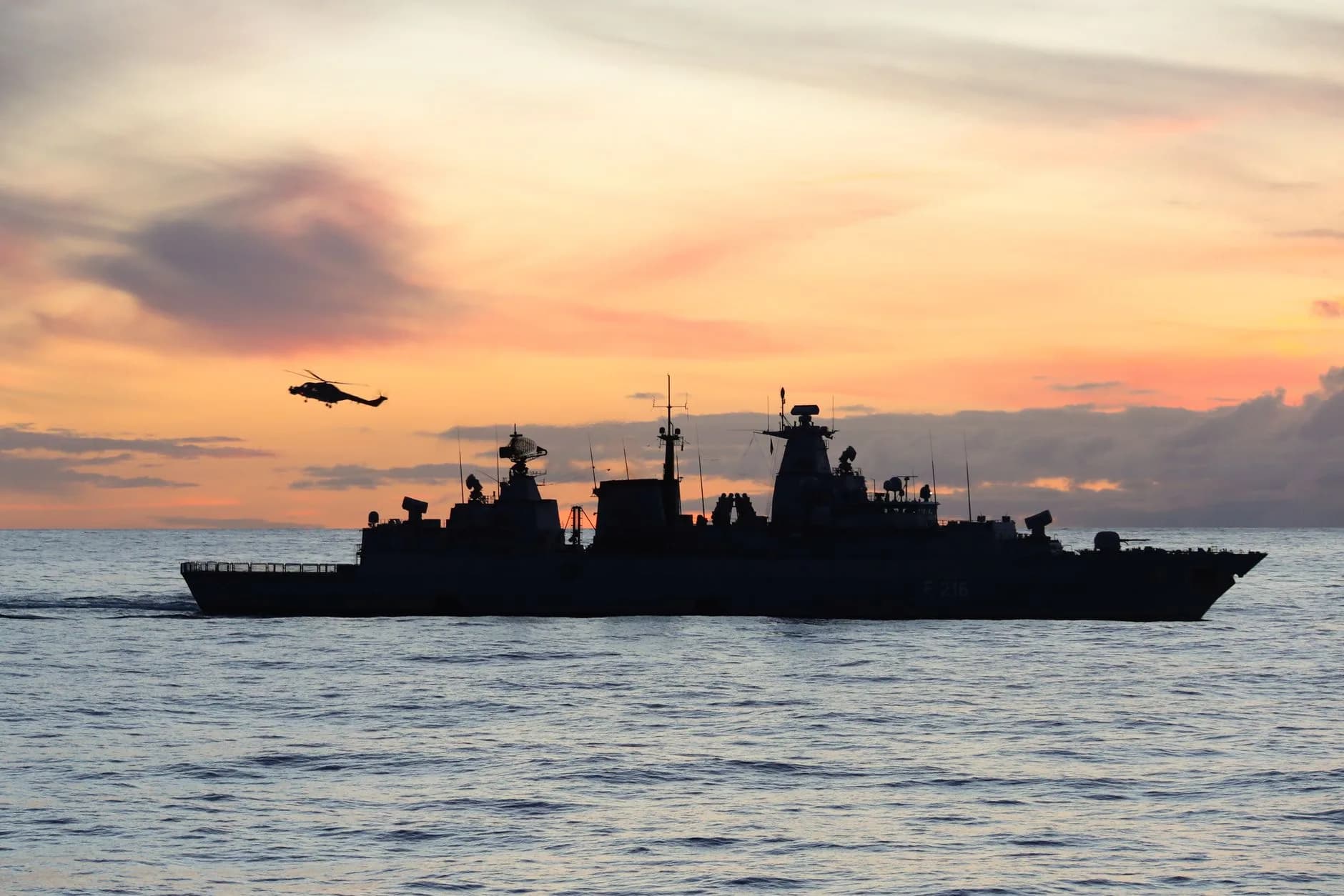
Photo by Germannavyphotograph on Pexels
In July 2019, personnel aboard the USS Omaha, a littoral combat ship operating in a Southern California range, recorded infrared footage of a spherical object. The clip runs for about a minute. The object moves above the sea surface, hovers, and then disappears from view at the waterline. It is the closest thing the modern UAP file has to a transmedium event on video.
What is documented
The footage was released publicly in 2021. In April that year a Pentagon spokesperson confirmed it was genuine Navy imagery and that the object in it was unidentified. That confirmation is unusual and it matters: the provenance question, which sinks most UAP video, does not apply here.
The material formed part of the body of reporting that fed the UAP Task Force and, later, the All-domain Anomaly Resolution Office. Contemporary reporting also described multiple spherical contacts tracked around Navy vessels in that area over several days.
What was claimed
The claim that made the clip famous is that the object entered the water — that this is a craft demonstrating transmedium capability, moving from air to sea without slowing.
If that is what happened, it is genuinely significant. Objects that cross the air–water boundary at speed do not survive the impact; water at that transition behaves like a solid. A vehicle that manages it is doing something no known aircraft can.
What is contested
Whether it entered the water at all. Analysts working from the footage have argued that the object simply passes out of the sensor’s field or drops below the horizon line from the camera’s perspective, which on a long telephoto infrared lens at sea can look identical to submersion.
The counter-argument is that the object’s track and the sea state make that reading strained. Both positions are argued from the same short clip, which is the fundamental problem: a minute of monochrome infrared, without corresponding sonar, cannot settle what happened below the surface.
What remains unexplained
The object itself. Spherical, apparently unpowered by any visible means, holding position and then departing, recorded on a military sensor by personnel with no reason to fabricate. Whatever the water question, that description has not been resolved into a conventional object.
Balloons, drones and reflections have all been proposed and none accounts for the whole sequence comfortably. The most defensible position is the one the Pentagon itself took: unidentified.
Join the discussion
Still open on this one:
- 01
Does sonar data exist for the same time and location?
A warship watching an object approach the sea surface is the ideal circumstance for corroboration. Its absence from the public record is the most important open question in the case.
- 02
How many spherical contacts were logged in that period?
Reporting described several over several days. A count from the ships’ logs would show whether this was an isolated event or a pattern.
Be the first to comment
See also
Everything this piece touches
Sources
Open them and check for yourself. Where a record is public, it is linked.
Preliminary Assessment: Unidentified Aerial Phenomena
Office of the Director of National Intelligence · 25 Jun 2021 · no public copy located
Leaked Navy video appears to show UFO off California coast
NBC News · 15 May 2021
Related

Consciousness
Terminal lucidity: when a destroyed brain briefly works again
People with advanced dementia sometimes become clear, coherent and recognisably themselves shortly before death. It is documented in the medical literature, it happens, and nobody can currently explain it.
Consciousness
Ian Stevenson: forty years collecting children who remember other lives
A university psychiatrist spent his career documenting cases of young children who described a previous life, and checking whether the person they described had existed. He assembled over two thousand. The methodology is the argument.
Near Death Experiences
Pam Reynolds: the most-cited near-death case, and what it turns on
In 1991 a woman undergoing brain surgery under extraordinary conditions reported observing the operation. The surgical circumstances were unusually well documented. Whether she was unconscious at the time she perceived what she described is the whole argument.

Near Death Experiences
Near-death experiences: what the clinical research has established
Millions of people report a consistent set of experiences during cardiac arrest. That consistency is a real finding. What it means is where the argument starts, and hospital studies have been running for thirty years.
0 comments