

The Black Monk of Pontefract: Britain’s most violent poltergeist case
A council house in West Yorkshire, a family who stayed for three years, and a case that escalated from chalk dust to a reported assault. It is famous, it is thinly documented, and the difference matters.
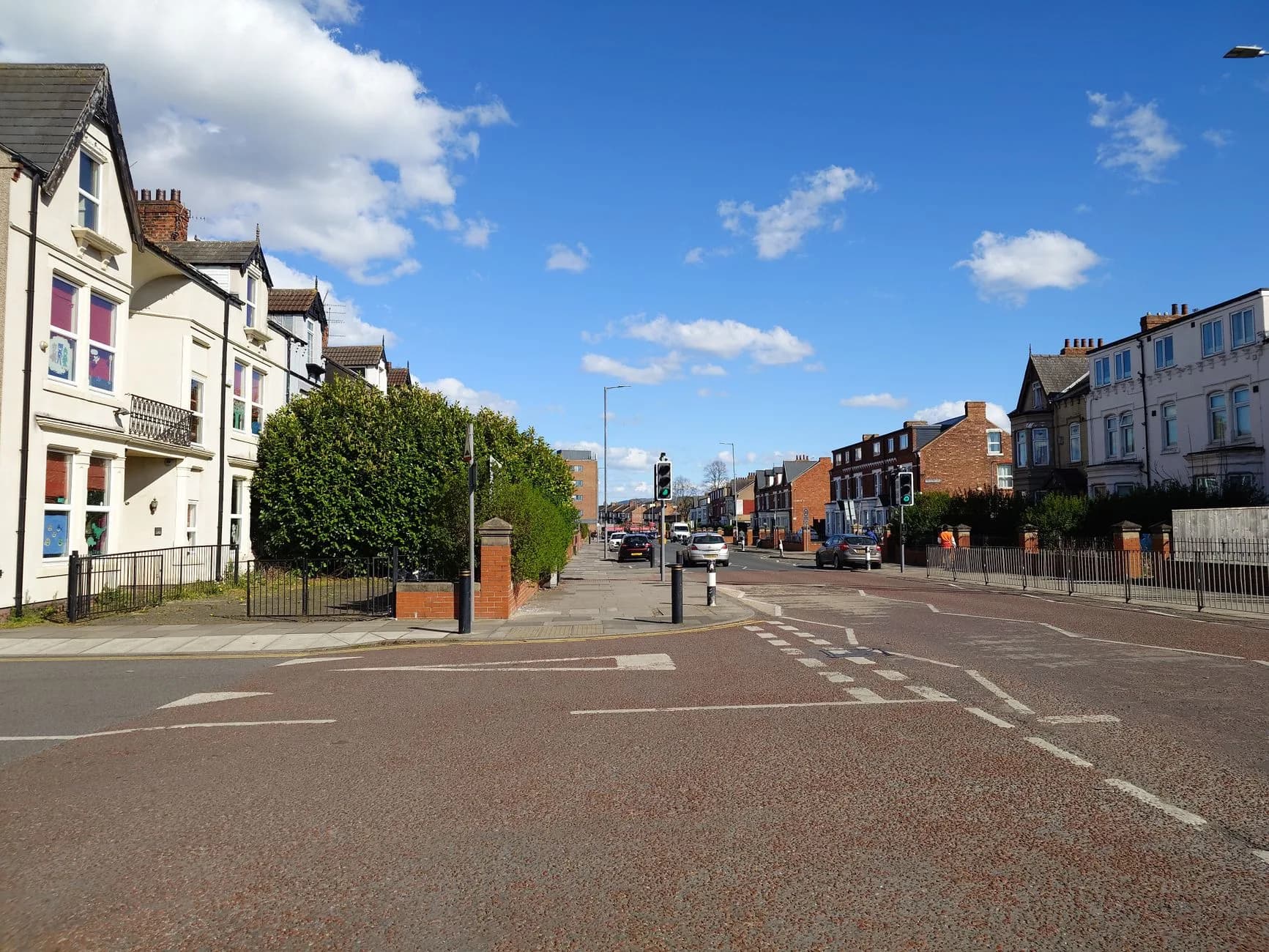
Photo by chakri Sriperamboodoor on Pexels
In August 1966, the Pritchard family of 30 East Drive, Pontefract, began reporting phenomena in their house: chalk-like dust falling from mid-air, pools of water appearing on the kitchen floor, objects moving. The activity continued intermittently for around three years and escalated, culminating in accounts of one of the children being dragged up the stairs.
It is one of the best-known British cases and one of the most thinly evidenced, and the gap between those two facts is the story.
What is documented
The family lived there, reported the events, and stayed — which is worth noting, because most reported hauntings end with people leaving. Neighbours and relatives witnessed some episodes. The events were locally known at the time.
The principal account reached a wide audience through Colin Wilson’s book Poltergeist! in 1981, drawing on interviews with the family.
What was claimed
A progression from minor disturbances to physical violence, and the identification of the entity as a Cluniac monk executed in the Middle Ages — the "Black Monk" of the title, said to have been hanged for a crime nearby.
What was added later
The monk. The identification is the most recognisable element of the case and it is also the least supported: it is an interpretation applied to the phenomena, drawing on local tradition about a nearby gallows and a monastic site.
There is no contemporaneous element of the 1966–69 events that identifies the presence as a monk. The name came afterwards, and it is the name that made the case famous.
What remains unexplained
The family’s persistence. They stayed for three years, reported escalating and eventually violent phenomena, and did not leave — behaviour that is hard to square with either straightforward fabrication or straightforward terror.
That is not evidence of a haunting. It is a genuine oddity in the account and it is the part we would want explained first.
Join the discussion
Still open on this one:
- 01
Does any contemporaneous written record from 1966–69 survive?
A letter, a diary, a local newspaper report. Anything written at the time would transform what can be said about this case.
Be the first to comment
Sources
Open them and check for yourself. Where a record is public, it is linked.
Poltergeist!
Colin Wilson, New English Library · 1 Jan 1981 · no public copy located
Society for Psychical Research case archive
Society for Psychical Research
Related
Consciousness
Terminal lucidity: when a destroyed brain briefly works again
People with advanced dementia sometimes become clear, coherent and recognisably themselves shortly before death. It is documented in the medical literature, it happens, and nobody can currently explain it.
Consciousness
Ian Stevenson: forty years collecting children who remember other lives
A university psychiatrist spent his career documenting cases of young children who described a previous life, and checking whether the person they described had existed. He assembled over two thousand. The methodology is the argument.
Near Death Experiences
Pam Reynolds: the most-cited near-death case, and what it turns on
In 1991 a woman undergoing brain surgery under extraordinary conditions reported observing the operation. The surgical circumstances were unusually well documented. Whether she was unconscious at the time she perceived what she described is the whole argument.
Near Death Experiences
Near-death experiences: what the clinical research has established
Millions of people report a consistent set of experiences during cardiac arrest. That consistency is a real finding. What it means is where the argument starts, and hospital studies have been running for thirty years.
0 comments