

Gene Roddenberry and the screenplay he was paid to write
In 1975 the creator of Star Trek was commissioned by the group around the Nine to write a film about them. He delivered a draft. That much is documented — and it is where most retellings stop being careful.
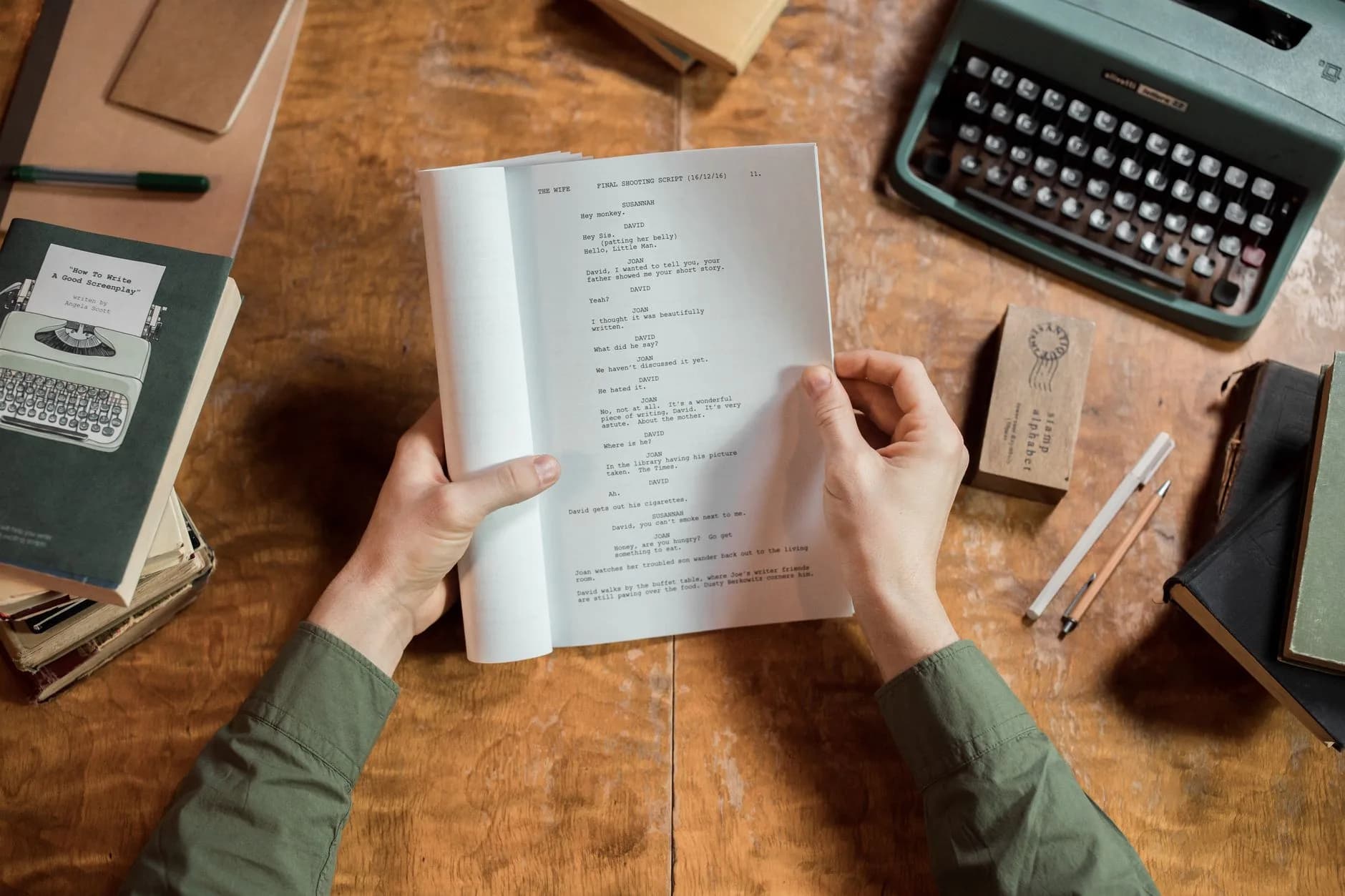
Photo by Ron Lach on Pexels
Of all the improbable turns in this story, this is the one that makes people sit up. In 1975 Gene Roddenberry, six years after the cancellation of Star Trek and well before the films revived his career, was commissioned by the group around the Nine to write a screenplay about them. He took the job.
What is documented
Roddenberry spent time at the Ossining, New York estate where Puharich’s group — Lab Nine — was operating. He interviewed people there, including mediums, as research. He produced a screenplay titled The Nine. The group was not satisfied with it and asked for a rewrite; his assistant Jon Povill worked on a revision.
Povill is a real and checkable figure: he went on to work as a producer on Star Trek: The Motion Picture. He has spoken publicly about the episode, which is a large part of why it is known at all.
What was claimed
The strong version of the story holds that Roddenberry was not merely hired but changed — that he came away a believer, and that the Nine subsequently shaped his work. It is an attractive narrative and it is not what the evidence shows.
What the evidence shows is a working writer taking a commission from a wealthy client, doing research, delivering a draft that the client disliked, and moving on. That is an ordinary professional sequence and it happens to be the sequence documented here.
What was added later
Most of the significance. The Roddenberry commission is the single most-cited fact in Nine literature, because it connects an obscure group to a name everyone recognises. That citation frequency has gradually converted a screenwriting job into a conversion narrative.
The framing that most readers encounter comes largely from Picknett and Prince’s The Stargate Conspiracy in 1999, which is where much of this material was assembled for a general audience. It is a serious piece of research and it also has an argument to make, and those two things need holding apart.
What remains unexplained
Why Lab Nine wanted a film at all. A group claiming private contact with cosmic intelligences commissioning a mass-market screenplay is a strange move, and it suggests the aim was reach rather than record.
And why they rejected the draft. A writer of Roddenberry’s skill produced something the group did not want, which implies they had a fairly specific idea of what they were paying for. That is a more interesting fact about them than anything it tells us about him.
Join the discussion
Still open on this one:
- 01
Where is the 1975 screenplay now?
It is the central document of this episode and the only one that could settle what Roddenberry made of the material. Its whereabouts are not publicly established.
- 02
What did Lab Nine object to in the draft?
The rejection is more revealing than the commission. Knowing the grounds would say a great deal about what the group thought it was doing.
Be the first to comment
Sources
Open them and check for yourself. Where a record is public, it is linked.
The Stargate Conspiracy
Lynn Picknett and Clive Prince, Little, Brown · 1 Jan 1999 · no public copy located
Uri: A Journal of the Mystery of Uri Geller
Andrija Puharich, Anchor Press/Doubleday · 1 Jan 1974 · no public copy located
The Only Planet of Choice: Essential Briefings from Deep Space
Phyllis V. Schlemmer and Palden Jenkins, Gateway Books · 1 Jan 1993 · no public copy located
Related
Consciousness
Terminal lucidity: when a destroyed brain briefly works again
People with advanced dementia sometimes become clear, coherent and recognisably themselves shortly before death. It is documented in the medical literature, it happens, and nobody can currently explain it.
Consciousness
Ian Stevenson: forty years collecting children who remember other lives
A university psychiatrist spent his career documenting cases of young children who described a previous life, and checking whether the person they described had existed. He assembled over two thousand. The methodology is the argument.
Near Death Experiences
Pam Reynolds: the most-cited near-death case, and what it turns on
In 1991 a woman undergoing brain surgery under extraordinary conditions reported observing the operation. The surgical circumstances were unusually well documented. Whether she was unconscious at the time she perceived what she described is the whole argument.
Near Death Experiences
Near-death experiences: what the clinical research has established
Millions of people report a consistent set of experiences during cardiac arrest. That consistency is a real finding. What it means is where the argument starts, and hospital studies have been running for thirty years.
0 comments