

Loch Ness: a century of surveys and what each one measured
A century of searching Loch Ness has produced a photograph now known to be staged, sonar contacts nobody explained, and a DNA survey that found a great deal of eel.
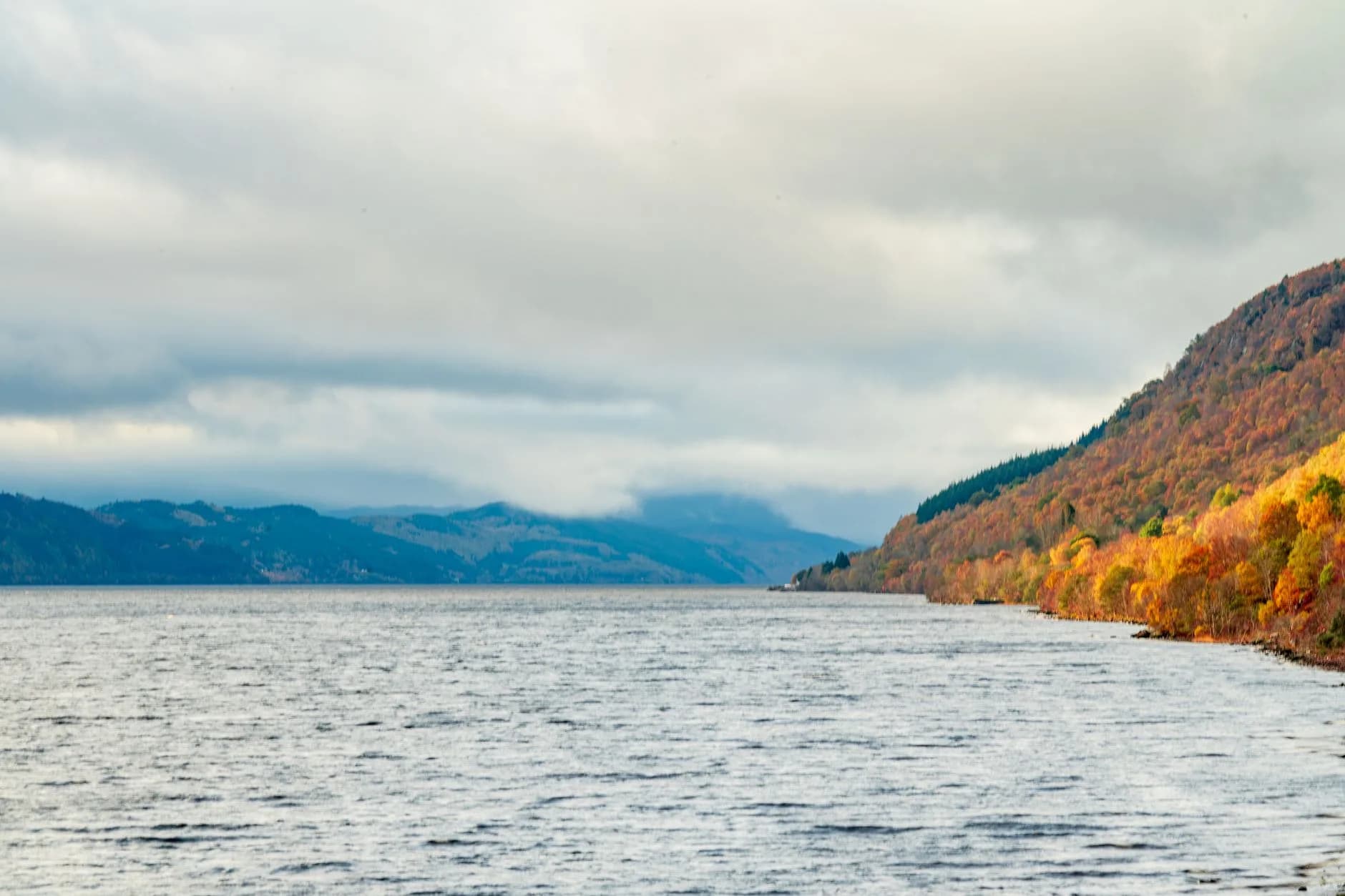
Photo by Michał Robak on Pexels
Loch Ness has been surveyed more thoroughly than almost any body of fresh water in Europe, and the reason is not limnology. Each generation has brought its best available instrument to the loch, which makes the case an unusually clean record of how the answer changes with the method.
Photography, and its collapse
The 1934 image known as the "surgeon's photograph", credited to the London gynaecologist Robert Kenneth Wilson, established the long-necked silhouette in the public imagination for sixty years. In 1994 it was reported as a staged photograph, based on an account given by Christian Spurling, who described a model built on a toy submarine.
The 1970s brought underwater photography by the American patent lawyer Robert Rines, whose "flipper" images were published alongside computer enhancement. The degree of enhancement applied, and what the unenhanced frames actually show, has been contested ever since.
Sonar
Operation Deepscan in 1987 remains the most ambitious sweep attempted: a line of boats moving down the loch in formation with echo sounders, covering it as a curtain rather than a series of tracks. The operation logged a small number of contacts at depth that were not accounted for.
Environmental DNA
In 2018 a team led by the geneticist Neil Gemmell sampled water throughout the loch and sequenced the DNA suspended in it, an approach that detects organisms from shed cells without needing to see or catch anything.
The survey found no reptilian DNA and nothing matching a large unknown vertebrate. It did find European eel DNA in quantity, at essentially every sampling point. Gemmell was careful about what that permits: it is consistent with eels being abundant, and it does not establish that any individual eel is unusually large.
That is where the evidence currently sits. The most-reproduced photograph is accounted for, the sonar returns are unexplained but unattributed, and the most sensitive survey yet conducted found a loch full of eels.
Join the discussion
Still open on this one:
- 01
How large can a European eel in Loch Ness actually grow?
The eDNA result raised the question and cannot answer it; no outsized specimen has been caught.
- 02
What produced the unattributed Deepscan contacts?
They were logged at depth and never explained, but were not shown to be biological.
- 03
Do the unenhanced Rines frames survive?
The enhancement is the disputed step; the raw material is what would resolve it.
Be the first to comment
See also
Everything this piece touches
Sources
Open them and check for yourself. Where a record is public, it is linked.
Environmental DNA survey of Loch Ness
University of Otago and collaborators · 5 Sept 2019 · no public copy located
Operation Deepscan sonar survey
Loch Ness Project · 1 Oct 1987 · no public copy located
Related

Government Disclosure
UFO Experts Explain Why Disclosure Is Finally Breaking Open
UFO Experts Explain Why Disclosure Is Finally Breaking Open — via Best of Danny Jones.
Secret Societies
Secret Societies In The Shadows: The Freemasons
The oldest and most documented of the secret societies — and the gap between what is recorded and what is claimed.
0 comments
Sign in to join the discussion. Free, no subscription.