

Göbekli Tepe: the enclosures still buried beneath the ridge
Geophysical survey indicates the excavated enclosures at Göbekli Tepe are a fraction of what lies under the ridge. The rest has been deliberately left in the ground.
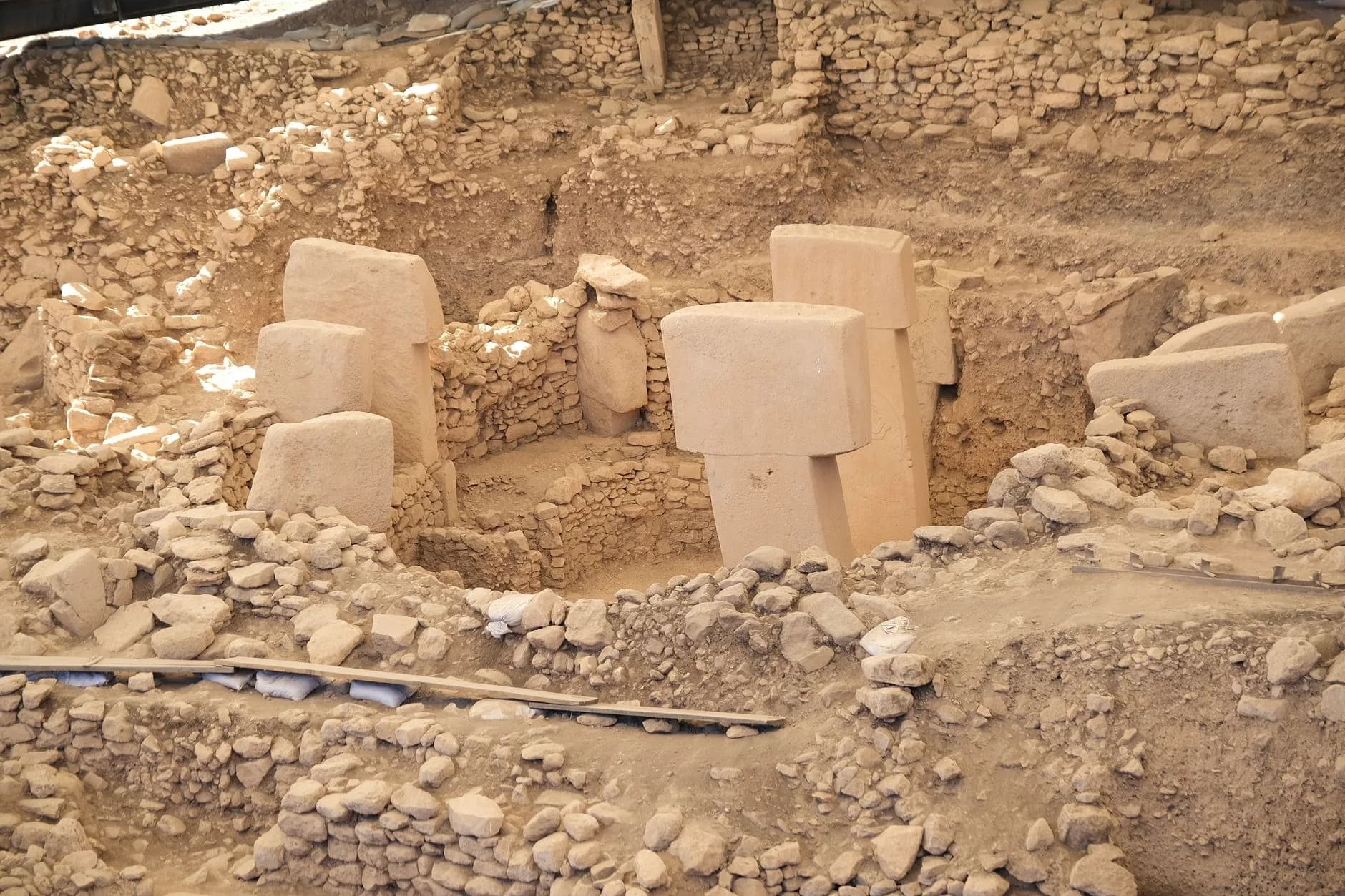
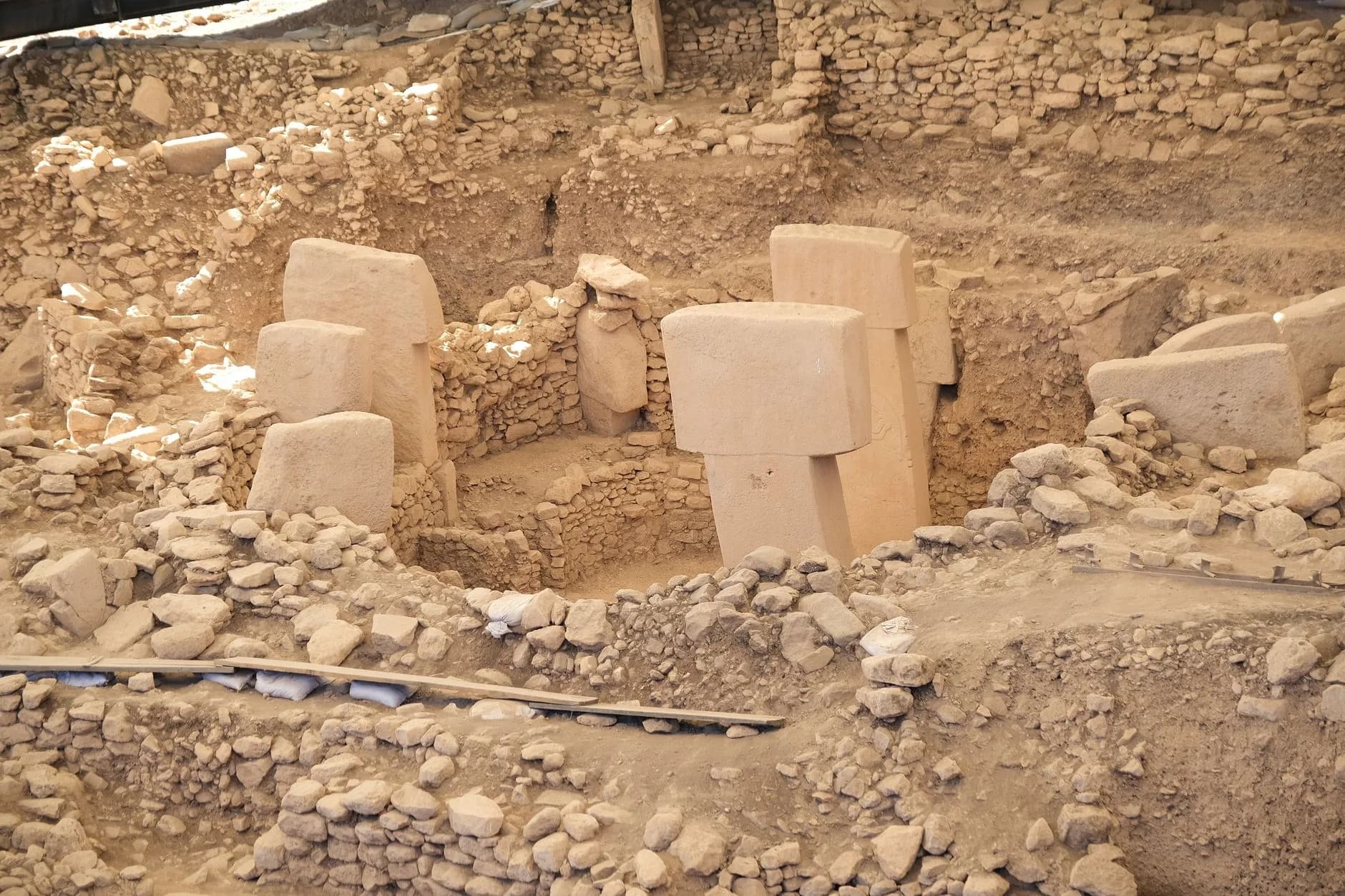
Photo by Zehra Rekibe Başol on Pexels
Göbekli Tepe, on a limestone ridge in south-eastern Türkiye, was recognised as a major site in 1994 and excavated from 1995 under the German archaeologist Klaus Schmidt with the German Archaeological Institute. Its carved T-shaped pillars, arranged in circular enclosures, are older than pottery, older than metal, and older than any settled agriculture in the region.
The dating is the part that reordered the field. The earliest construction is placed in the tenth millennium BCE — several thousand years before Stonehenge, and before the domestication of the crops the surrounding region later became known for.
What the surveys show
Ground-penetrating radar and geomagnetic survey have mapped the ridge without breaking ground. The results indicate substantially more enclosures than the handful that have been dug, distributed across the mound.
Only a small proportion of the site has been excavated. The remainder is documented as geophysical anomalies — strong enough to indicate structure, not detailed enough to say what any individual enclosure contains.
What changed since Schmidt
Schmidt characterised the site as a sanctuary used by hunter-gatherers who did not live there. Subsequent work has complicated that: evidence of water management, and of domestic activity, suggests occupation rather than pure pilgrimage. The interpretation is under active revision.
Göbekli Tepe has also stopped being singular. Survey across the surrounding region has identified a series of related sites — Karahan Tepe among them — now investigated together under the Türkiye programme known as Taş Tepeler. Göbekli Tepe is increasingly understood as one node in a landscape rather than an isolated anomaly.
That shift matters for how the site is written about. A unique, inexplicable monument invites exotic explanation. A regional tradition of monument-building, with neighbours and antecedents, invites a harder and more interesting archaeological question about what those people were organising themselves to do.
Join the discussion
Still open on this one:
- 01
How many enclosures are actually under the ridge?
Geophysics indicates structure; only excavation would give a count.
- 02
Did people live at Göbekli Tepe, or only gather there?
Schmidt’s sanctuary reading is being revised as evidence of domestic activity accumulates.
- 03
Why were the enclosures deliberately backfilled?
The burial appears intentional. No accepted explanation exists.
Be the first to comment
See also
Everything this piece touches
Sources
Open them and check for yourself. Where a record is public, it is linked.
Deutsches Archäologisches Institut
UNESCO World Heritage Centre
Related

Government Disclosure
UFO Experts Explain Why Disclosure Is Finally Breaking Open
UFO Experts Explain Why Disclosure Is Finally Breaking Open — via Best of Danny Jones.

Secret Societies
Secret Societies In The Shadows: The Freemasons
The oldest and most documented of the secret societies — and the gap between what is recorded and what is claimed.
0 comments
Sign in to join the discussion. Free, no subscription.